

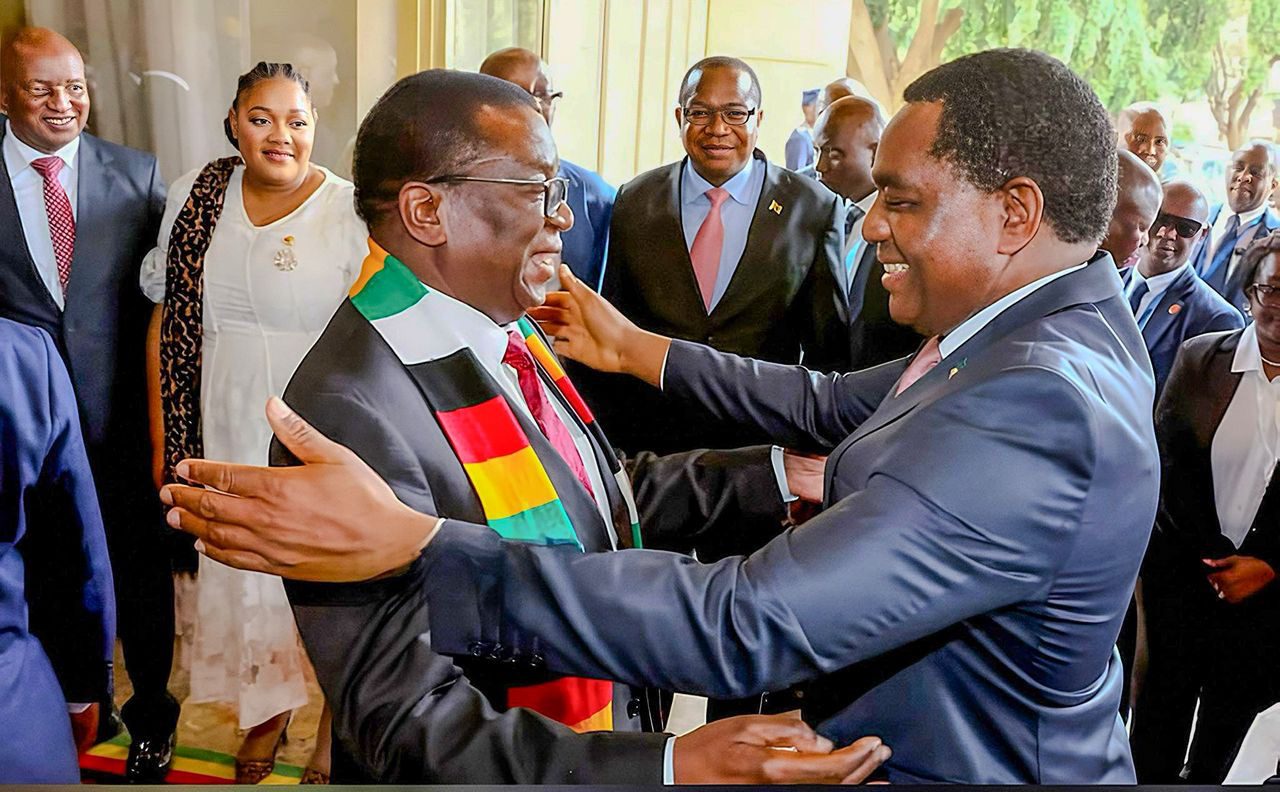
The historic bond between Zimbabwe and Zambia stepped into a new chapter in Harare earlier today, as Their Excellencies, Presidents Dr. Emmerson Dambudzo Mnangagwa and his Zambian counterpart, Hakainde Hichilema, opened the Inaugural Session of the Zimbabwe-Zambia Bi-National Commission.
It was a moment filled with both symbolism and substance, the kind of gathering that carries the weight of shared history and the promise of a more integrated future.
In his welcome remarks, President Mnangagwa opened his arms to the Zambian leader with warmth that echoed far beyond diplomatic formality.
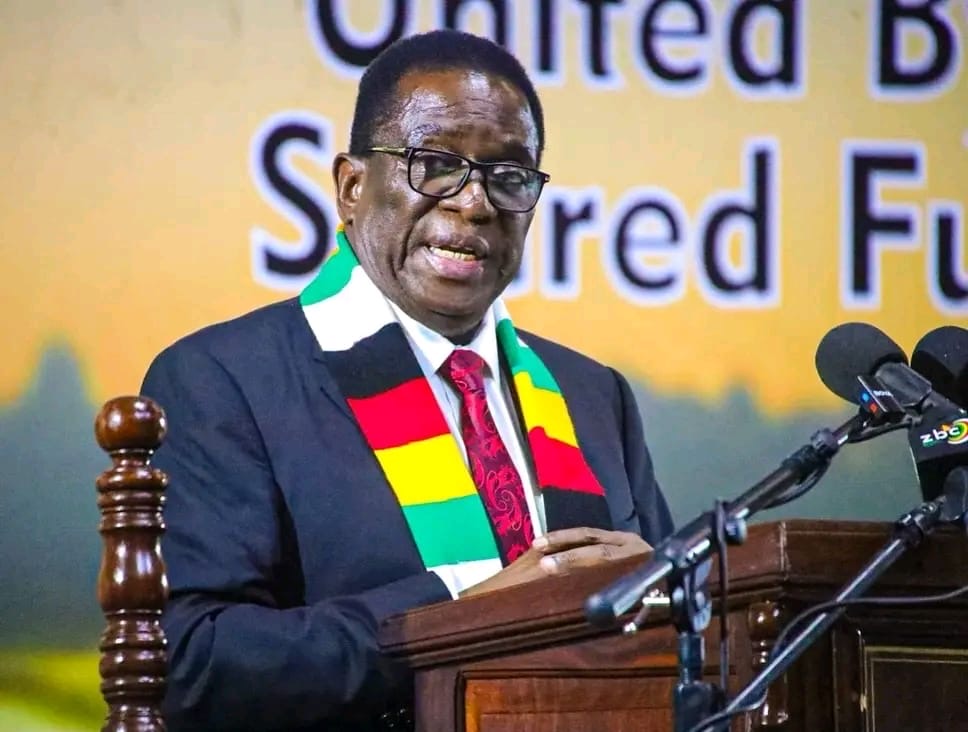
He spoke of Zimbabwe and Zambia not as neighbouring states merely tied by geography, but as nations woven together by bloodlines, collective memory and intertwined aspirations.
The President reminded delegates that the borders that separate the two peoples were drawn without their consent by colonial powers, yet the ties between families, cultures and communities have endured.
That sentiment carried a quiet emotional truth, a reminder that cooperation between the two states is grounded in something far deeper than paperwork.
The Bi-National Commission itself marks a significant elevation in bilateral relations, replacing the long-running Joint Permanent Commission of Cooperation with a more robust, high-level platform.
This shift is meant to accelerate decision-making and push forward joint developmental programmes with greater urgency.
President Mnangagwa made it clear that officials from both nations had worked tirelessly in recent months to clear the path for this moment, including concluding agreements and memoranda ready for signing during the session.
As he addressed the gathering, the President stressed that cooperation between Harare and Lusaka has never been a matter of convenience. Instead, it is a strategic necessity shaped by regional challenges, economic imperatives and an unwavering commitment to improving the lives of ordinary citizens on both sides of the Zambezi.
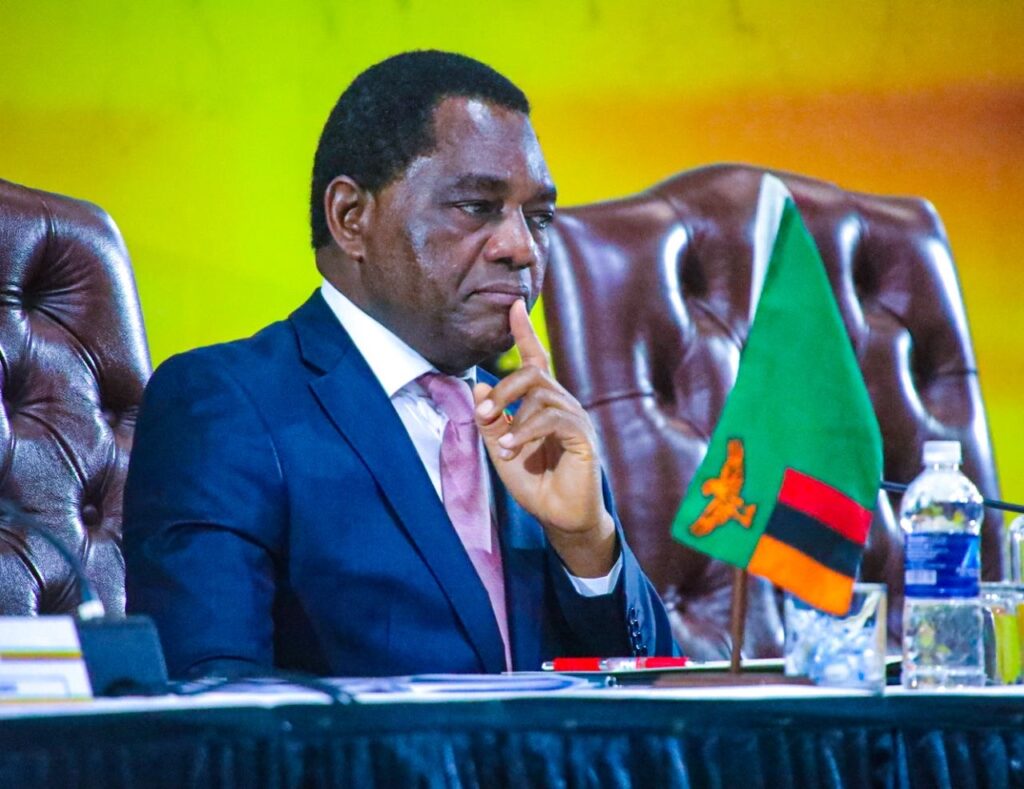
He reminded attendees that the Southern African Development Community has set its sights firmly on industrialisation, value addition and beneficiation of the region’s natural resources.
Zimbabwe and Zambia, both richly endowed with minerals, fertile land and strategic geographic positions, cannot afford to lag behind in this collective push.
One of the key highlights of the address was the emphasis on infrastructure development, especially transport and energy systems that serve as the backbone of the two economies.
President Mnangagwa singled out the Lion’s Den-Kafue Railway Project, which has been in conceptual stages, calling on relevant ministries and agencies to step up efforts to bring the project to life.
If realised, the railway line would inject new energy into regional trade, open fresh investment corridors and ease the movement of goods and people between the two states and beyond.
He also underscored the importance of peace and security, noting that economic development cannot flourish in conditions of instability.
The longstanding cooperation between Zimbabwean and Zambian defence and security services remains a pillar of regional safety, especially in an era marked by rising threats such as terrorism, cybercrime and drug trafficking.
The President encouraged security institutions to stay vigilant and deepen their collaboration.
Turning to agriculture, President Mnangagwa offered insight into Zimbabwe’s recent gains, praising the nation’s progress toward sustained food security.
He highlighted the government’s bold programmes, including water harvesting initiatives, dam utilisation, widespread borehole drilling and support for smallholder farmers through irrigation booster kits.
These measures, he said, position both nations to expand cooperation in agriculture and unlock new avenues for joint productivity.
Mining, another vital sector, was presented as an area with immense potential if Zimbabwe and Zambia work together to tap into global demand for critical minerals.
With the world shifting rapidly towards green energy technologies, the President challenged officials to craft collaborative strategies that leverage shared mineral wealth for economic growth and participation in global value chains.
Tourism also found its place in the dialogue. The President pointed out that the two countries are custodians of Mosi-oa-Tunya, the majestic Victoria Falls, one of the world’s most famous natural wonders.
He called for enhanced cooperation to improve tourism products and services on both sides of the Falls, and to ensure that the communities living closest to the attraction benefit directly from increased tourism flows.
Education and skills development were highlighted as equally crucial areas for collaboration, with the President urging both countries to share experiences and strengthen vocational and technical training.
He stressed that young people must be equipped with the skills needed to carry forward modernisation and industrialisation efforts.
Reflecting on wider regional matters, President Mnangagwa expressed gratitude for Zambia’s support during Zimbabwe’s hosting of the 44th SADC Summit.
He also touched on the ongoing crisis in eastern Democratic Republic of Congo, expressing hope that regional and international efforts would soon restore peace and relieve the suffering of affected communities.
As the day’s engagements drew to a close, President Mnangagwa urged all officials to approach the Commission’s work with urgency and commitment.
His call was simple but powerful: the people of Zimbabwe and Zambia are expecting tangible results, and leaders are duty-bound to deliver.
The Inaugural Bi-National Commission may have begun with speeches, but its true value lies in the work that now follows.
If both nations carry forward the spirit and determination expressed in Harare, the path ahead promises progress, stability and shared prosperity for generations to come.