

As Zimbabwe steps into the next chapter of its national development journey, there is a quiet but firm sense that the foundation for long-term transformation has been laid.
The National Development Strategy 1, which ran from 2021 to 2025, was never meant to be a miracle document. It was meant to stabilize, reorient and modernize the country’s economic and governance systems after years of drift.
Now, as the nation turns toward NDS2 and the horizon of Vision 2030, the big question is simple. What exactly was accomplished under NDS1, and how does it shape the path forward under the Second Republic?
NDS1 unfolded at a moment when the world itself was reeling. The COVID-19 pandemic had disrupted global supply chains, fuel prices were unstable, climate shocks were intensifying and geopolitical tensions were reshaping global markets. Zimbabwe was not spared, yet the policy direction remained largely steady. Beneath the noise of daily politics and economic hardship, certain structural gains began to take shape.
One of the most overlooked successes of NDS1 has been the stabilization of key economic fundamentals. Inflation, which for years had been Zimbabwe’s most stubborn enemy, slowly began responding to tighter fiscal discipline, Conservative budgeting and reforms in public spending. While challenges remain, particularly with currency volatility, the Second Republic demonstrated that it could restrain runaway expenditure and restore a measure of predictability in government operations. It is not the end of the struggle, but it is certainly the beginning of a new culture of economic management.
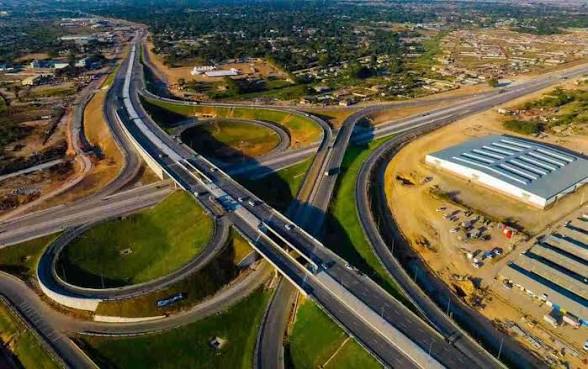
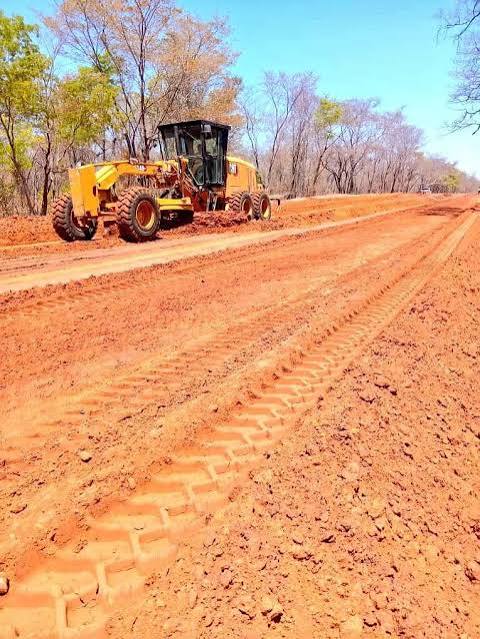
Infrastructure development became one of the most visible pillars of NDS1. During this period, major national roads were upgraded, expanded or modernized. The Harare–Beitbridge Highway—the country’s busiest and most economically important route—saw unprecedented progress.
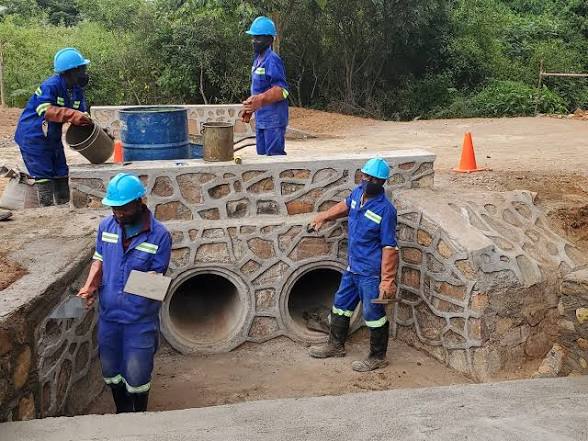
New clinics, hospitals and rural health centres were built or refurbished, particularly after the pandemic exposed the fragility of Zimbabwe’s healthcare system. Water and sanitation projects, including dams, piped water schemes and wastewater plants, received fresh investment to support long-term climate resilience.
Electricity generation also received renewed focus. The commissioning of units 7 and 8 at Hwange Power Station delivered a significant boost to the national grid, easing load shedding and strengthening Zimbabwe’s energy security. For a country aiming to industrialize before 2030, reliable power supply is not a luxury.
It is the backbone of everything from mining to manufacturing, and the strides taken under NDS1 put the nation in a better position as it marches towards NDS2.
Agriculture, long the bedrock of Zimbabwe’s economy, experienced one of the most dramatic shifts during the NDS1 era. The rollout of the Pfumvudza/Intwasa programme, combined with mechanization support and improved access to inputs, fundamentally transformed smallholder farming.
The country recorded a bumper maize harvest in 2021, demonstrating that food security is not a distant dream but a practical and achievable goal. This shift protected millions of households from hunger while reducing government dependence on grain imports. The agricultural reforms also widened support for wheat farmers, leading to record-breaking production levels that moved Zimbabwe closer to wheat self-sufficiency.
Mining, another powerhouse sector, also benefitted from the NDS1 framework. The Second Republic introduced reforms to streamline mining agreements, improve transparency and encourage investment. The platinum, gold and lithium markets saw significant new activity, with Zimbabwe transforming into one of Africa’s key players in the global green-energy mineral chain.
Lithium, in particular, experienced a boom driven by rising global demand for electric vehicle batteries. The growth of new mines and processing plants created jobs, boosted export earnings and positioned the country to exploit a once-in-a-generation mineral opportunity.
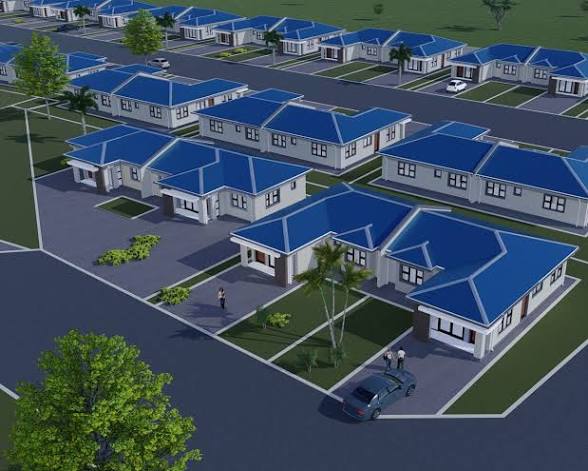
Social services also received renewed attention. Government increased support for vulnerable households through social protection schemes, including school fees assistance, food aid and cash transfers. Urban renewal efforts, though still evolving, introduced new housing projects and attempts to regularize informal settlements. Education and skills development were integrated into national planning, with new technical and vocational training centres announced to support a modern workforce aligned with Vision 2030.
Governance reforms, though less visible to ordinary citizens, were another important aspect of NDS1. The Second Republic emphasized decentralization, giving local authorities more autonomy in planning and resource utilization. This was meant to bring government closer to communities while improving service delivery. Institutions such as the Zimbabwe Investment and Development Agency helped streamline investment processes, cutting red tape and making Zimbabwe a more attractive destination for both local and international investors.
Of course, NDS1 was not without its challenges. Currency instability, rising costs of living and periodic shortages of essentials created frustration for many families. The informal sector remains dominant, and millions still struggle with low wages or unpredictable incomes. These realities are undeniable, but they do not erase the structural progress being made beneath the turbulence.
NDS2, which runs from 2026 to 2030, is expected to build on these foundations with greater emphasis on industrialization, digital transformation, new technology, manufacturing and the expansion of regional and global trade. Where NDS1 was about stabilizing and setting the stage, NDS2 must accelerate and deepen growth while ensuring the benefits reach ordinary citizens.
It must lift incomes, create sustainable jobs, strengthen the social safety net and ensure Zimbabwe does not just grow statistically but grows meaningfully.
Vision 2030, the national aspiration to become an upper-middle-income economy, is no longer a slogan. It is a roadmap that now has measurable markers, visible progress points and clearly defined targets.
The accomplishments of NDS1 show that Zimbabwe can reform, can rebuild and can reclaim its place as a competitive economy in the region. The work ahead remains immense, and the road will not always be smooth, but the direction is now set.
The Second Republic has framed NDS2 as the stage where growth becomes accelerated, inclusive and irreversible. Whether the country reaches its destiny by 2030 will depend on continued discipline, unity of purpose, stable policies and the collective will of the people.

The story of NDS1 is a reminder that even in the face of adversity, progress is possible. The story of NDS2 will determine how far that progress can carry the nation toward the Zimbabwe it dreams of becoming.