Africa, A Continent of Diversity, Resilience, and Rising Promise
5 min read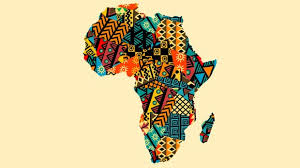
EDITORIAL – Africa, the world’s second-largest and second-most populous continent — is a vast mosaic of nations, peoples, and cultures. Stretching from the Mediterranean shores of Egypt and Morocco to the windswept plains of South Africa, this continent is home to 54 recognized countries, each unique in its history, geography, and aspirations.
Together, they tell the story of a continent that is ancient yet young, struggling yet hopeful, and diverse yet united by a shared destiny.
The richness of Africa begins with its diversity. Its countries are home to over 1.4 billion people, who speak more than 2,000 languages and belong to countless ethnic groups.
From the Berbers of North Africa to the Zulu of Southern Africa, from the Yoruba of West Africa to the Shona of Zimbabwe and the Amhara of Ethiopia, Africa’s cultural diversity is unmatched.
Each nation carries its own identity — shaped by geography, colonial history, and indigenous heritage. Nigeria, Africa’s most populous country, is a giant of West Africa with over 200 million people and a thriving economy driven by oil, agriculture, and technology.
Egypt, with its pyramids and ancient civilization, remains a cradle of human history. South Africa, the “Rainbow Nation,” stands as a symbol of reconciliation and resilience after decades of apartheid.
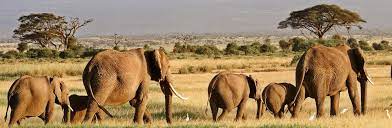
Kenya and Tanzania are the beating heart of East Africa, known for their wildlife, tourism, and entrepreneurship.
Meanwhile, nations like Zimbabwe, Namibia, and Botswana blend cultural richness with breathtaking landscapes and growing potential.
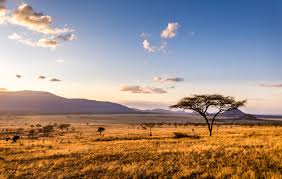
This diversity extends beyond culture to geography. Africa’s landscapes range from the Sahara Desert, the largest hot desert in the world, to the Congo Basin, the planet’s second-largest rainforest.
Its natural features include mighty rivers like the Nile and the Congo, vast lakes like Victoria and Tanganyika, and mountain ranges such as the Atlas and the Drakensberg.
Few continents can boast such variety — a reflection of both beauty and challenge.
The story of Africa’s countries cannot be told without acknowledging its deep historical roots. Africa is the birthplace of humankind, where the earliest fossils of our ancestors were discovered in Ethiopia and Tanzania.
Ancient kingdoms like Mali, Great Zimbabwe, and Axum were once centers of trade, learning, and innovation long before European exploration.
The arrival of colonial powers in the 19th century — following the Berlin Conference of 1884–1885, which partitioned Africa among European nations — drastically reshaped the continent.
Artificial borders were drawn without regard for ethnic or cultural realities, splitting families, tribes, and territories.
For decades, Africa’s nations were subjected to colonial rule, exploitation, and cultural suppression.
The 20th century, however, saw a powerful wave of liberation.
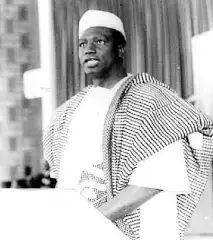
From Ghana’s independence in 1957 under Kwame Nkrumah to South Africa’s democratic transition in 1994 led by Nelson Mandela, Africa’s modern nations emerged from the shadows of colonialism with renewed pride.
Today, each country stands as a testament to resilience — their flags, anthems, and institutions symbols of hard-won sovereignty.
Africa’s economies are as varied as its cultures. While many countries still rely on agriculture, mining, and raw materials, a growing number are diversifying into technology, finance, and renewable energy.
Nations like Kenya, Nigeria, Rwanda, and Ghana are becoming hubs of innovation, home to tech startups and digital entrepreneurs transforming the way Africans live and work.
Rwanda, once scarred by genocide, has redefined itself as one of Africa’s cleanest and most efficient nations, with a focus on digital governance.
Ethiopia is industrializing rapidly, while Botswana has maintained decades of political stability and prudent diamond management.
Mauritius and Seychelles have transitioned into service-based economies driven by tourism and finance.
Meanwhile, Africa’s natural resources — oil in Angola and Nigeria, gold in Ghana, cobalt in the Democratic Republic of Congo, platinum in Zimbabwe and South Africa — remain vital to global industries.
Yet, the challenge for many African countries lies in moving from being raw material exporters to manufacturing and value-added producers, ensuring that economic growth translates into real human development.
Despite differences in size, wealth, and governance, Africa’s nations increasingly recognize the power of unity.
The African Union (AU), headquartered in Addis Ababa, Ethiopia, is the continent’s main political and economic organization, promoting peace, integration, and development.
The African Continental Free Trade Area (AfCFTA) — launched in 2021 — is one of the most ambitious projects in the world, aiming to create a single market for goods and services across the entire continent.
By lowering trade barriers between African countries, it promises to boost intra-African trade, stimulate industrial growth, and strengthen collective self-reliance.
Regional economic communities such as the Southern African Development Community (SADC), Economic Community of West African States (ECOWAS), and East African Community (EAC) further foster cooperation in trade, security, and infrastructure.
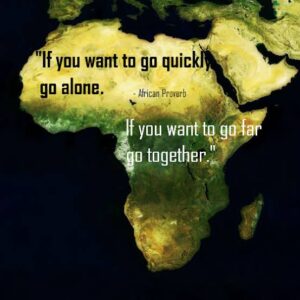
These organizations embody the dream of Pan-Africanism — a belief that Africa’s strength lies in unity.
The journey of Africa’s countries is not without obstacles. Poverty, unemployment, and inequality remain pressing issues in many regions.
Infrastructural deficits, limited healthcare systems, and dependence on external markets still hinder progress. Climate change threatens agriculture and water resources, while political instability in some nations disrupts development.
However, Africa is also home to the world’s youngest population — over 60% of Africans are under 25.
This “youth dividend” is both a challenge and an opportunity. If empowered through education, entrepreneurship, and technology, Africa’s youth could drive the continent toward sustainable growth and innovation.
Today, Africa’s story is changing. The countries of Africa are increasingly asserting themselves on the global stage — not as aid recipients, but as partners, innovators, and producers.
The rise of African films, music, and fashion — from Nollywood to Amapiano, from Afrobeat to contemporary art — reflects a vibrant cultural renaissance.
African scientists are contributing to global research, African entrepreneurs are building world-class companies, and African nations are leading in renewable energy, fintech, and mobile banking.
In cities like Lagos, Nairobi, Johannesburg, and Kigali, the pulse of progress is unmistakable.
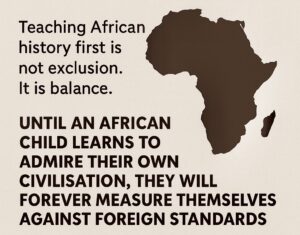
More importantly, African countries are reclaiming their narratives — telling their own stories through media, art, and diplomacy.
The vision of “Agenda 2063,” the African Union’s long-term development blueprint, captures this spirit: “The Africa We Want” — prosperous, peaceful, and self-reliant.
The countries of Africa, though varied in their histories and challenges, share a common thread — resilience.
From the deserts of Morocco to the savannas of Zimbabwe, from the bustling streets of Cairo to the serene shores of Seychelles, Africa’s nations are bound by an unbreakable will to progress.
Each flag represents not only a country but a dream — of freedom, dignity, and development.
The story of Africa’s countries is still being written, chapter by chapter, by a new generation determined to redefine what it means to be African in the 21st century.
Africa is not just a continent. It is a continent of countries, cultures, and courage — a living mosaic of hope and humanity that continues to inspire the world.
About The Author