VP Chiwenga Leads Zim Delegation To G20 Summit In South Africa
4 min read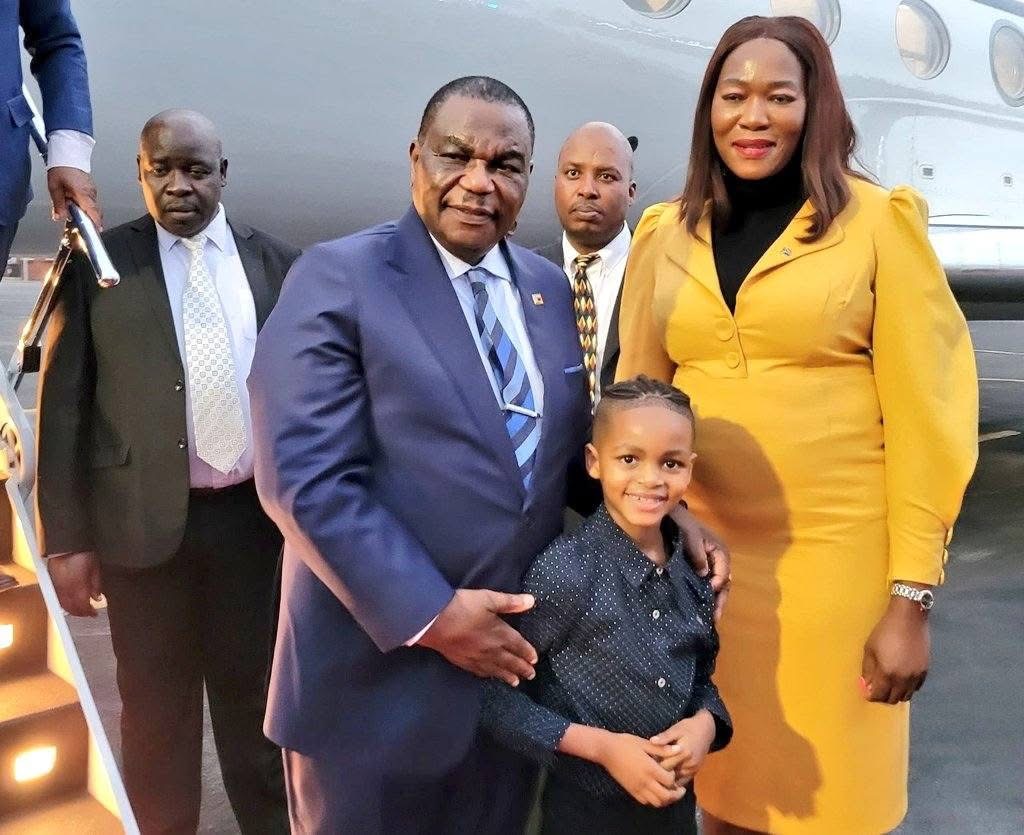
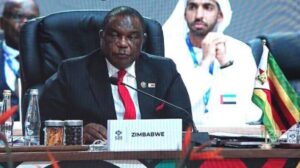
Johanesburg, South Africa – Zimbabwe’s delegation to this year’s G20 Summit is being led by Vice President Dr CDGN Chiwenga, who arrived in South Africa yesterday for the high level gathering. He touched down in Johannesburg and was received by South Africa’s Deputy Minister for International Relations and Cooperation, Hon Thandi Moraka.
The exchange was simple yet warm, carrying a quiet sense of regional solidarity as Southern Africa prepared to host one of the most important diplomatic and economic summits in the world.
This year’s G20 is being held under the theme “Solidarity, Equality, Sustainability,” a message South Africa has chosen with intention as it guides conversations scheduled for the 22nd and 23rd of November.
The theme speaks to the global climate of unequal development, growing tensions and pressure for more inclusive economic systems. It reflects the urgent need to build cooperative pathways that benefit all nations, not only the wealthiest. For Africa, having the G20 staged in Johannesburg is both a recognition of the continent’s rising influence and an opportunity to shape global priorities in a way that reflects African realities and ambitions.
The atmosphere in and around Johannesburg has been buzzing as several major events have unfolded ahead of the Leaders’ Summit. The G20 Social Summit, held from the 18th to the 20th of November in Ekurhuleni, brought together an impressive range of voices. Youth leaders, women’s groups, faith organisations, community development networks and activists used the platform to examine critical issues such as digital inclusion, climate justice, fair access to finance, global value chains and energy transformation.
South Africa’s Deputy President Paul Mashatile opened the summit, setting a hopeful and people centred tone, while President Cyril Ramaphosa is expected to close the programme by receiving the final declaration outlining recommendations from civil society.
Meanwhile, the business community has been active under the B20 track in Sandton, where global executives, African entrepreneurs, innovators and policymakers have been working on strategies for shared prosperity and more balanced trade.
This business gathering has become increasingly influential, especially for nations like Zimbabwe that are seeking to attract investment, secure technology partnerships and deepen regional value addition. Earlier in October, the P20 Summit brought together parliamentary speakers from G20 and invited nations to strengthen legislative cooperation, oversight and accountability in global governance.
Throughout the year, South Africa has also hosted working groups on finance, health, sustainability, tourism and science, helping shape ideas that will feed into final G20 agreements.
The significance of hosting the G20 on African soil cannot be overstated. Africa holds extraordinary economic potential, from its youthful population and rapid urbanisation to its vast natural resources and expanding technology markets. Yet it also faces some of the world’s toughest development challenges, including climate shocks, infrastructure gaps and limited access to affordable financing.
For decades, decisions affecting global economic direction were made with Africa in the background. This summit marks a quiet but powerful shift. It offers African leaders space to push for reforms in global financial institutions, more equitable lending structures, and climate financing that recognises the continent’s disproportionate vulnerability.
Southern Africa stands to benefit deeply from the conversations taking place this week. The region has struggled with energy shortages, water stress, uneven growth and a slow pace of industrialisation.
Bringing leaders, experts and financial institutions into the region creates openings for new partnerships in renewable energy, modern transport systems, water infrastructure and digital innovation.
These are areas that can change the region’s economic landscape if supported through fair financing and sustained cooperation.
Zimbabwe enters this summit with determination and a renewed sense of engagement. The country has been working to reestablish strong ties within the international community after years of strained relations and limited access to global forums.
The presence of Vice President Dr Chiwenga who is representing the President His Excellency Dr. ED. Mnangagwa signals Zimbabwe’s intention to participate meaningfully in discussions that shape global economic policy.
Zimbabwe’s priorities going into the summit include economic recovery, securing technology transfers, widening export markets, strengthening climate resilience and advocating for fairer global financial reforms.
The country is also watching debates on debt relief, development financing and energy transitions closely, as these issues have direct implications for Zimbabwe’s ongoing national development agenda.
The G20’s core theme resonates deeply with Zimbabwe’s aspirations. As leaders talk about just energy transitions, the future of critical minerals, digital transformation and food security, Zimbabwe sees opportunities to expand cooperation and build new pathways for growth.
The government has prioritised investment in renewable energy, agricultural productivity, manufacturing and the sustainable use of minerals. Active participation in these discussions helps position Zimbabwe not as an observer, but as a contributor with ideas, ambitions and a clear long term plan.
As the summit gets underway, there is a sense across Africa that the continent is stepping into a new space of global influence. The discussions, declarations and negotiations unfolding in Johannesburg reflect a continent determined to help shape solutions instead of simply adjusting to decisions made elsewhere.
For Zimbabwe, being part of this historic moment as represented by the Honorable Vice President Dr CDGN Chiwenga is a meaningful step in strengthening the nation’s diplomatic presence, deepening regional relationships and supporting the creation of a more balanced and sustainable international order.
About The Author