VP Chiwenga Leads Tour of Strategic Development Projects in Matabeleland North
6 min read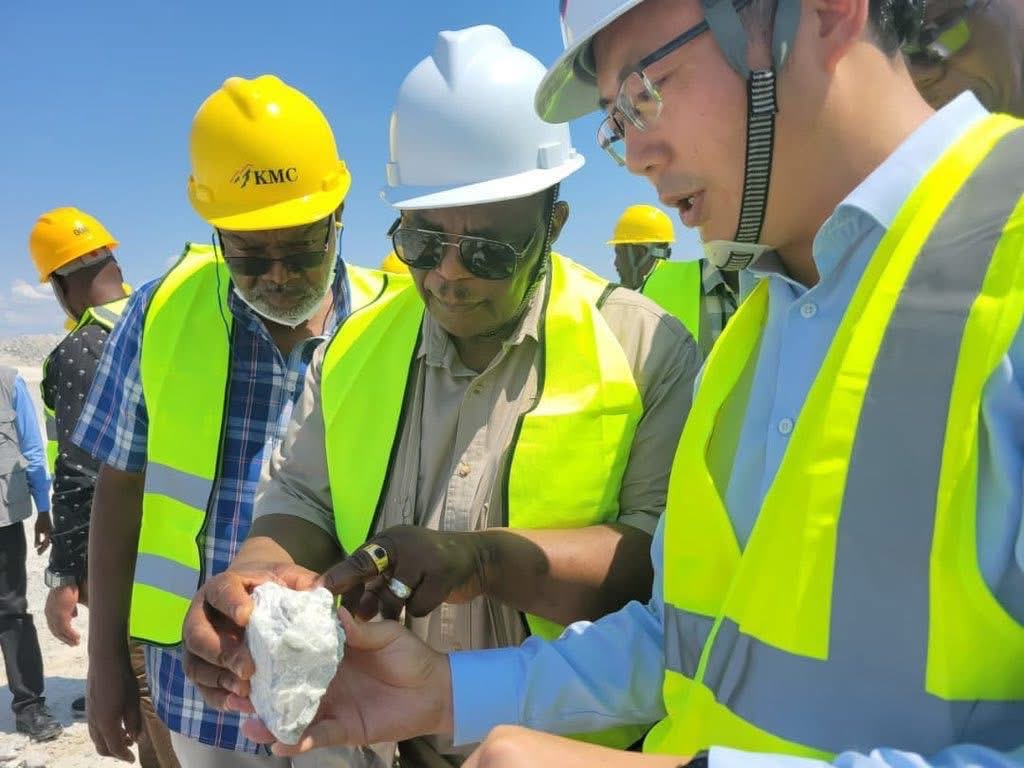
Matabeleland North – In a powerful demonstration of Government’s ongoing commitment to inclusive economic growth and regional development, Vice President Dr. Constantino G.D.N. Chiwenga today led a high-profile delegation on a tour of key development projects in Matabeleland North Province.
The visit, which included stops at the Bulawayo Kraal Irrigation Scheme in Binga and the Kamativi Lithium Mine in Hwange, underscored Zimbabwe’s drive to unlock the full potential of its natural and agricultural resources under the Second Republic’s transformative vision.
The Vice President was accompanied by senior Government officials, among them the Minister of State for Provincial Affairs and Devolution for Matabeleland North, Honourable Richard Moyo, Deputy Minister of Industry and Commerce Raj Modi, and Deputy Chief Secretary in the Office of the President and Cabinet, Engineer Amos Marawa.
The visit was part of a broader national effort to monitor progress on strategic projects aligned with the National Development Strategy 1 (NDS1) and Vision 2030, which seeks to propel Zimbabwe into an upper middle-income economy.
The first stop of the day was the Bulawayo Kraal Irrigation Scheme in Binga, a flagship agricultural project designed to transform the livelihoods of local communities through irrigation-based commercial farming. Once fully operational, the scheme is expected to irrigate over 15,000 hectares and support large-scale maize, wheat, and horticultural production — a critical boost for the nation’s food security and rural development.
Speaking during the tour, Vice President Chiwenga emphasized the central role of agriculture in driving rural transformation and ensuring food sovereignty.
He said the Government was determined to turn the Bulawayo Kraal into a model of modern, mechanized farming that would not only feed communities but also create employment and stimulate agro-industrial value chains.
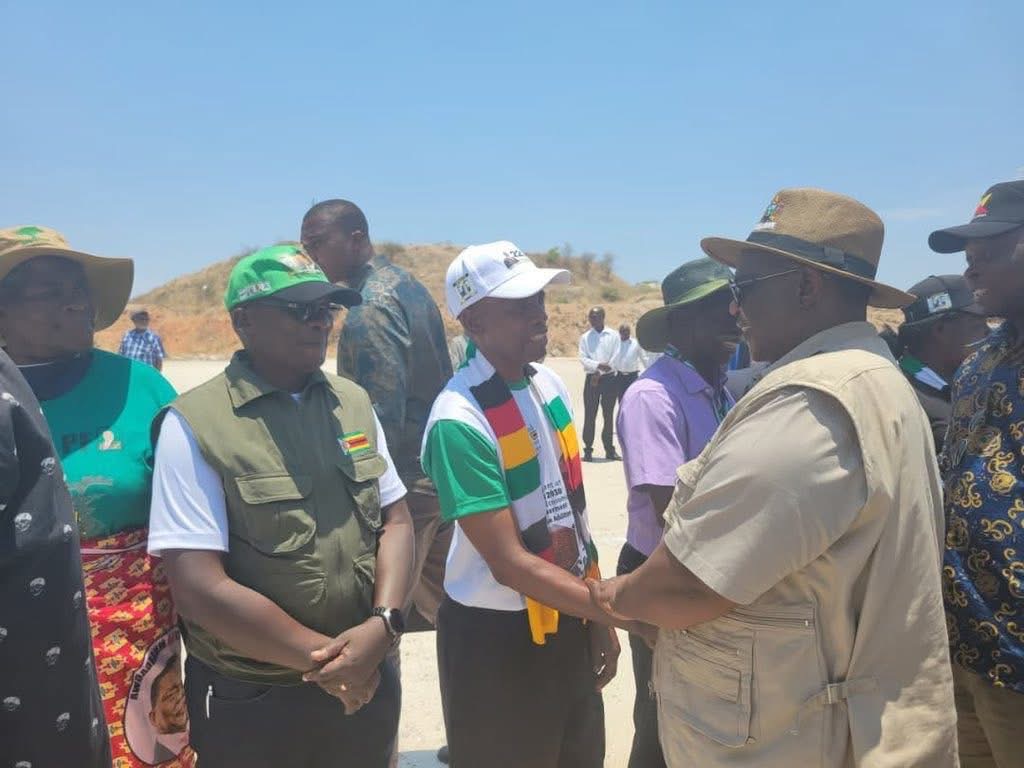
“We are here to ensure that projects such as Bulawayo Kraal move from plans to tangible results that directly benefit our people,” said the Vice President. “This project is not just about irrigation — it’s about empowerment, dignity, and prosperity for the people of Binga and surrounding areas.”
Dr. Chiwenga commended the collaborative efforts between Government, private partners, and local communities in driving progress at the scheme.
He also highlighted that such initiatives were at the heart of Zimbabwe’s devolution agenda, which empowers provinces to take charge of their development priorities using locally available resources.
Minister Richard Moyo, in his remarks, reiterated that Bulawayo Kraal was poised to become a regional agricultural hub once all infrastructure components — including water canals, pumping systems, and storage facilities — are fully completed. He noted that the project will not only enhance food production but also improve livelihoods through the establishment of processing and marketing facilities that will anchor the local economy.
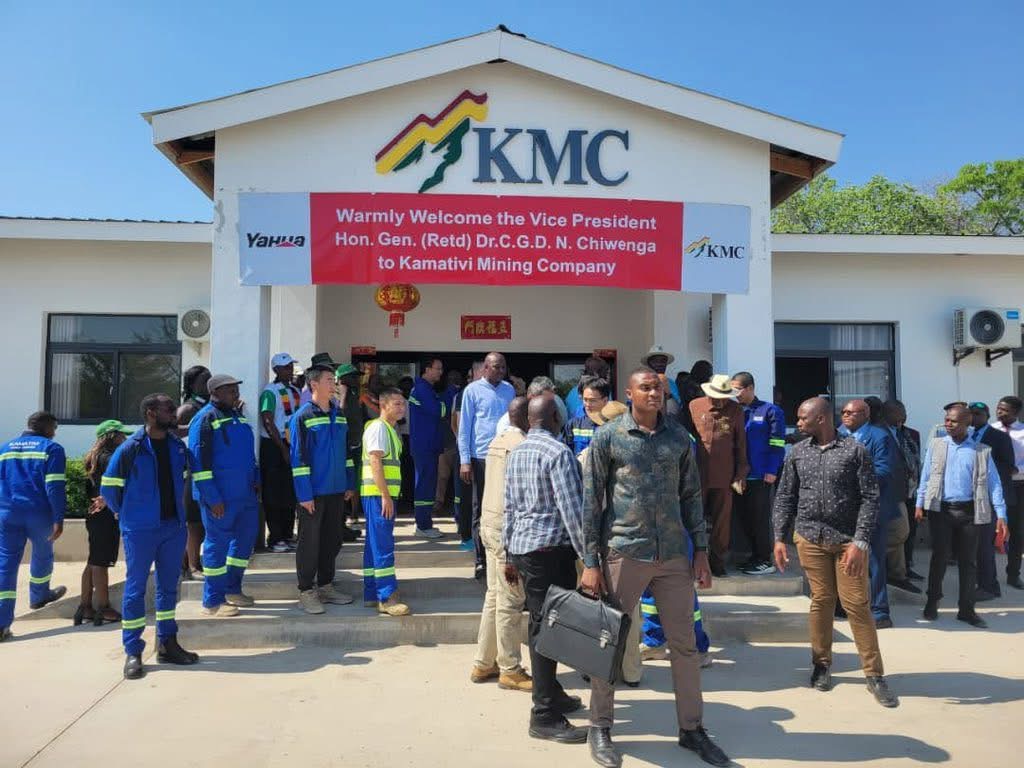
The Vice President’s delegation later proceeded to the Kamativi Lithium Mine in Hwange, a critical component of Zimbabwe’s growing mining sector.
Once a major tin producer, Kamativi has been reborn as one of the country’s leading lithium extraction and processing sites, reflecting Zimbabwe’s new position as a key player in the global energy transition.
At Kamativi, Vice President Chiwenga was briefed on the progress of ongoing exploration, extraction, and processing operations, which are being spearheaded through a joint venture between the Zimbabwe Mining Development Corporation (ZMDC) and private investors.
The project is expected to produce significant volumes of lithium concentrate for export and local beneficiation, contributing substantially to Zimbabwe’s foreign currency earnings and industrialization drive.
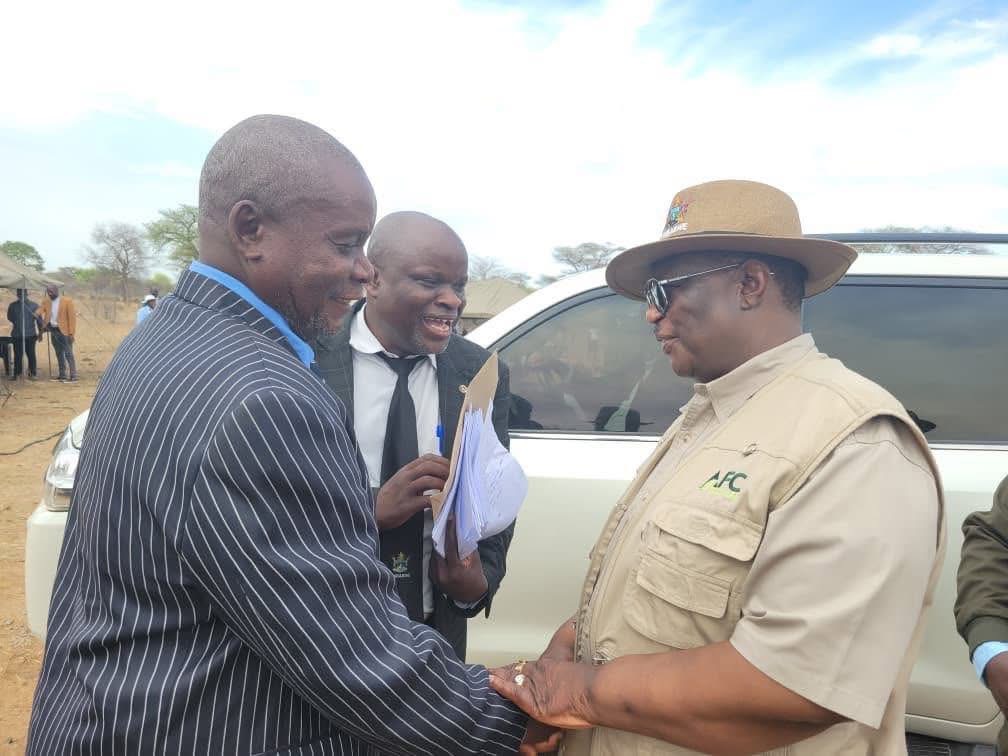
In his address to management and workers at the mine, Vice President Chiwenga underscored that the lithium sector represents a cornerstone of Zimbabwe’s economic transformation strategy.
“Lithium is one of the most sought-after minerals in the modern world, and Zimbabwe stands among the top countries globally with vast deposits,” he said.
“Our focus is to ensure that this resource benefits our people, not just through exports, but through local processing and job creation.” He added.
He reaffirmed Government’s commitment to ensuring that mining operations adhere to the highest environmental and community engagement standards.
“Development must go hand-in-hand with sustainability and inclusivity,” he added, urging investors to prioritize local employment, skills transfer, and community development projects in the areas surrounding Kamativi.
Deputy Minister Raj Modi echoed the Vice President’s sentiments, noting that the Government continues to streamline investment processes and improve the ease of doing business to attract both domestic and foreign investors into the mining sector.
“We are moving towards a future where value addition and beneficiation are not optional, but mandatory for national growth,” he said.
The Vice President’s visit forms part of an ongoing Government monitoring and evaluation framework aimed at ensuring that major national projects remain on track and deliver tangible outcomes.
The approach reflects the Second Republic’s emphasis on results-based management, accountability, and private sector-led economic growth.
Engineer Amos Marawa highlighted that the Office of the President and Cabinet is closely monitoring the implementation of all priority projects under the NDS1 framework to ensure timely delivery and efficient utilization of resources.
He noted that such high-level visits enable direct feedback from implementing agencies, ensuring bottlenecks are swiftly identified and addressed.
The Government has in recent years accelerated infrastructure and industrial investments across Matabeleland North, recognizing the province’s strategic importance in agriculture, mining, and tourism. Key projects — such as the Hwange Power Station Expansion, Lupane Gas Fields, and various road upgrades — complement the efforts being made at Bulawayo Kraal and Kamativi to drive balanced national development.
For local communities, the Vice President’s visit reaffirmed the Government’s promise that no region or citizen will be left behind.
Residents of Binga and Hwange expressed optimism that the continued implementation of these projects would open new opportunities in employment, entrepreneurship, and social services.
By leveraging Matabeleland North’s natural endowments, the Government aims to transform the province into a major contributor to national GDP growth.
Through devolution funding and targeted investment, communities are being empowered to participate in productive economic activities that improve their livelihoods and strengthen local economies.
Vice President Chiwenga emphasized that Vision 2030 — which envisions Zimbabwe as an upper middle-income economy — depends on the successful rollout of such projects that directly impact ordinary citizens.
“We are building a Zimbabwe where every province contributes to national prosperity. From Binga to Beitbridge, no one will be left behind,” he said.
The tour of Bulawayo Kraal and Kamativi Lithium Mine stands as a testament to the Government’s unwavering commitment to accelerating development through practical, high-impact interventions.
It also showcases the strategic role of Matabeleland North in Zimbabwe’s economic transformation — from agriculture to mining and beyond.
As the Vice President’s convoy departed the province, one message resonated clearly: the Second Republic’s development agenda under the leadership of His Excellency Dr. ED. Mnangagwa is moving full steam ahead, powered by vision, partnership, and determination.
The people of Matabeleland North, long known for their resilience and resourcefulness, are now standing at the forefront of Zimbabwe’s journey toward a prosperous and industrialized future.
About The Author