Why Zimbabwe Is the Best Place to Live in Africa
6 min read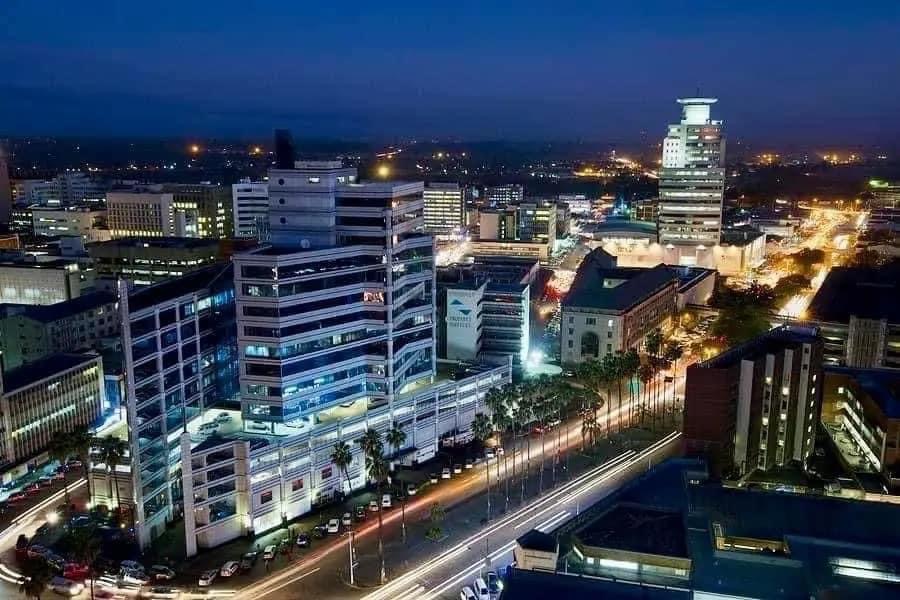
Zimbabwe, often referred to as the “Jewel of Africa,” continues to captivate the hearts of locals and foreigners alike with its natural beauty, cultural richness, peace-loving citizens, and endless opportunities. Nestled in the heart of Southern Africa, Zimbabwe stands out as one of the most rewarding places to live on the continent — a land where tradition meets progress, and nature harmonizes with human spirit.
From the misty roar of Victoria Falls to the rolling mountains of Nyanga, from the ancient stones of Great Zimbabwe to the fertile lands of Mashonaland, this country offers not only breathtaking scenery but also a unique sense of belonging.
For anyone seeking a balanced life of peace, opportunity, and beauty, Zimbabwe truly offers a home like no other in Africa.
Zimbabwe’s landscape is among the most striking in Africa. The country is blessed with diverse natural features — lush mountains in the east, vast savannahs teeming with wildlife, and serene lakes and rivers that nurture both people and ecosystems.
At the heart of its natural glory lies Victoria Falls, one of the Seven Natural Wonders of the World. Known locally as Mosi-oa-Tunya — “The Smoke That Thunders” — the falls symbolize the raw power and beauty of the nation.
Beyond the Zambezi River, Lake Kariba, one of the largest man-made lakes on Earth, provides not just hydroelectric power but a paradise for anglers, wildlife enthusiasts, and holidaymakers.
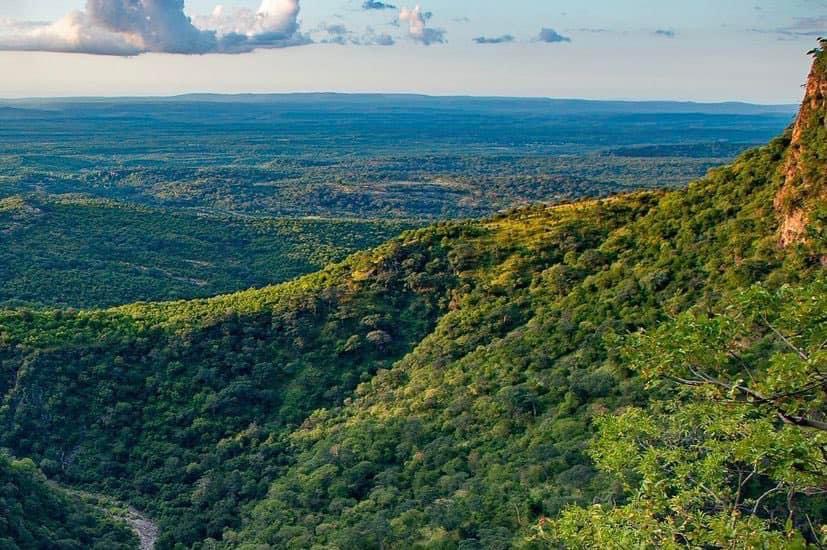
The Eastern Highlands present a cooler, misty climate, perfect for farming, hiking, and retreat. Places like Nyanga National Park, Vumba, and Chimanimani boast waterfalls, mountains, and unique flora found nowhere else in the world.
Living in Zimbabwe means waking up to the beauty of creation each day, surrounded by a natural world that inspires both peace and adventure.
What truly makes Zimbabwe stand out is its people. Despite decades of challenges, Zimbabweans are known for their resilience, warmth, and respect for community values.
The country’s people embody the African philosophy of Ubuntu — “I am because we are.” This spirit of mutual respect, cooperation, and kindness runs deep in the nation’s social fabric.
In cities and rural villages alike, visitors and residents are welcomed with genuine smiles, hospitality, and an eagerness to share stories, food, and laughter.
Neighbors still look out for one another, and traditional values of family, respect for elders, and community support remain central to daily life.
For expatriates, Zimbabwe offers a sense of safety and belonging that is rare in many parts of the world.
For locals, it remains a place where identity and pride flourish, and where hope always outweighs despair.
Zimbabwe enjoys one of the lowest crime rates in Africa compared to many other nations on the continent.
The people are peace-loving, and social unrest is minimal. Unlike regions plagued by terrorism or ethnic conflict, Zimbabwe stands as a peaceful and united nation, where citizens coexist regardless of tribe or background.
Recent political and economic reforms have also brought renewed optimism.
The government’s efforts to re-engage with the international community, attract investment, and promote local industries have improved the country’s image.
Streets are calm, people go about their daily lives freely, and a sense of security defines life in both rural and urban settings.
This stability has encouraged many Zimbabweans in the diaspora to return home, while international organizations and companies are once again choosing Harare as a base for operations in the region.
Zimbabwe’s cultural and historical depth adds to its charm as a place to live. The name “Zimbabwe” itself derives from the Great Zimbabwe Ruins, the ancient stone city built by the ancestors of the Shona people between the 11th and 15th centuries. These ruins, now a UNESCO World Heritage Site, stand as a testament to Africa’s pre-colonial civilization and architectural ingenuity.
From Mbira music to traditional dance, stone sculpture, and oral storytelling, Zimbabwe’s cultural expression remains vibrant and inspiring. Each region boasts its own traditions, but all unite around shared values of respect, spirituality, and community.
Festivals such as the Harare International Festival of the Arts (HIFA) and Shoko Festival bring together musicians, poets, and visual artists from across the globe, showcasing the creative spirit that thrives in the country.
Living in Zimbabwe means being part of a culture that celebrates both ancient roots and modern innovation.
Zimbabwe’s subtropical climate is one of its greatest assets. The country enjoys warm summers, mild winters, and plenty of sunshine throughout the year.
With altitudes ranging from 1,000 to 2,000 meters above sea level, much of Zimbabwe experiences comfortable temperatures, making it ideal for outdoor living.
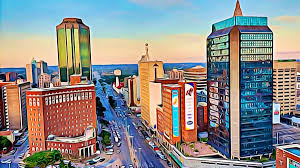
Unlike crowded megacities elsewhere in Africa, Zimbabwe’s cities — Harare, Bulawayo, Mutare, and others — are spacious, green, and less polluted. Many residents enjoy fresh air, open spaces, and easy access to nature.
The clean environment contributes to a healthier lifestyle and a slower, more fulfilling pace of life.
Zimbabwe is renowned for its high literacy rate, consistently among the highest in Africa. Since independence in 1980, education has been a cornerstone of national policy, leading to a population that values learning and professional growth.
Schools and universities such as the University of Zimbabwe, National University of Science and Technology (NUST), and Midlands State University (MSU) among others, continue to produce some of the continent’s best-trained graduates.
This focus on education ensures that the country has a highly skilled workforce, making it an attractive destination for investors and professionals alike.
For families, Zimbabwe offers a nurturing environment for children to learn, grow, and thrive — with both local and international schools providing excellent education standards.
Zimbabwe’s economy, anchored on agriculture, mining, and tourism, is showing signs of revival and diversification.
The land is fertile, and the country is rich in natural resources such as gold, platinum, diamonds, and lithium — positioning it as a potential powerhouse in Africa’s industrial and green energy future.
Entrepreneurship is also on the rise. Young Zimbabweans are embracing innovation, digital technology, and creative industries.
From the bustling markets of Mbare to the modern business parks in Harare, opportunities are growing for both small enterprises and large investors.
Tourism remains one of the most promising sectors, with new resorts, lodges, and conservation initiatives attracting both domestic and international visitors.
Perhaps the greatest reason Zimbabwe is the best place to live in Africa lies in its balanced way of life. It combines the comfort of modern living with the warmth of traditional values.
City life offers conveniences such as shopping malls, entertainment centers, and quality healthcare, while rural areas offer tranquility, fresh air, and connection to the land.
The sunsets are spectacular, the food is organic and delicious, and the sense of community is unmatched.
Zimbabweans take pride in living simply, valuing relationships over material wealth — a philosophy that keeps the country’s spirit alive even in challenging times.
Zimbabwe’s beauty goes far beyond its landscapes. It is found in the hearts of its people, the rhythm of its culture, and the peace that fills its skies.
It is a country where the past whispers through ancient ruins, the present thrives in resilience, and the future glows with promise.
For anyone seeking a home defined by harmony, hope, and humanity, Zimbabwe stands out proudly as not only the best place to live in Africa — but one of the most inspiring places to live in the world.
About The Author