ZANU PF Central Committee Charts Path Toward Vision 2030 at 129th Ordinary Session
5 min read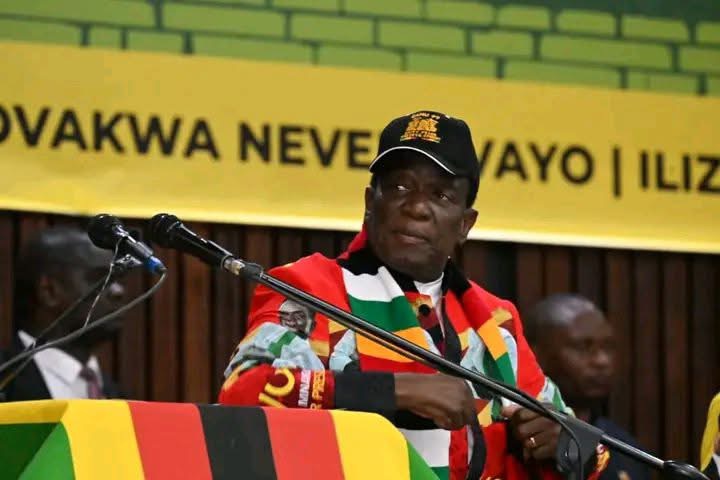
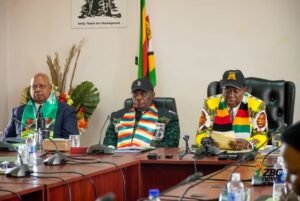
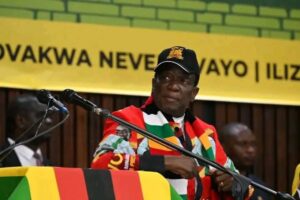
ZANU PF HQ, Harare – The ZANU PF Central Committee convened its 129th Ordinary Session in Harare yesterday, gathering at the party headquarters for a meeting that carried the unmistakable air of urgency, reflection and national purpose. Chaired by the President and First Secretary, Emmerson Mnangagwa, the session brought together senior party leaders for candid engagement on the nation’s development priorities, the state of the party, and the ongoing implementation of transformative economic policies under the Second Republic.
From the outset, the President set a firm and deliberate tone, reminding members that the work of nation-building has never been a task for the faint-hearted. He emphasized that as Zimbabwe moves deeper into the decade, the weight of Vision 2030 grows heavier, demanding discipline, unity and clarity from every leader entrusted with the party’s mandate. The meeting became both a rallying point and a moment of introspection, pulling together the threads of political organisation, economic progress and ideological direction.
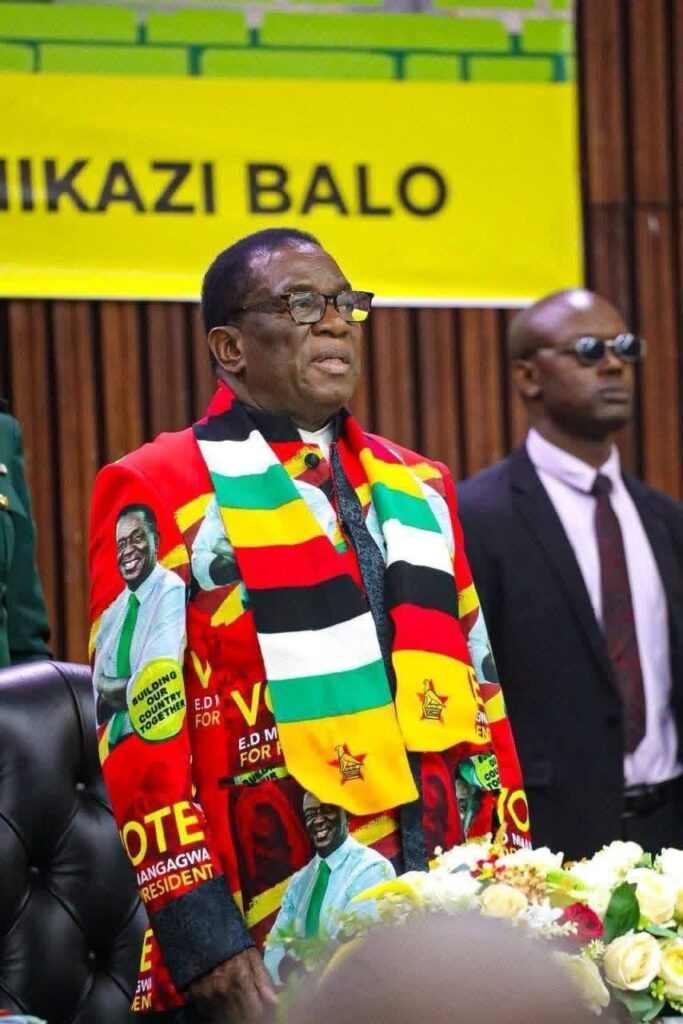
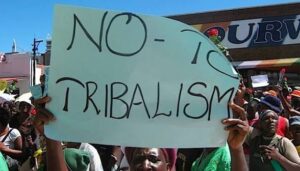
A major theme running through President Mnangagwa’s address was the centrality of unity. He spoke with unmistakable resolve as he warned against the rising tide of misinformation circulating on social media, describing it as a deliberate attempt to distract and divide. Yet his confidence in the resilience of the party was clear. ZANU PF, he declared, remains the party of choice for Zimbabweans, the only political home capable of stewarding the nation toward sustainable economic growth and national prosperity.
The President reminded delegates that unity is not a slogan but a lived discipline, rooted in shared values and tested in moments of challenge. For a nation that has weathered countless storms, he said, unity remains the single most powerful tool for progress. Vision 2030, the government’s national blueprint for achieving an empowered upper-middle-income economy, rests not on abstract ambition but on the collective will of the people.
The discussions then shifted to policy and the current direction of the economy. Here, the President offered a measured but optimistic assessment of the national landscape. He cited the National Development Strategy 2 (NDS2) and the recently tabled 2026 National Budget as the pillars guiding the country’s macroeconomic trajectory. The President reiterated that despite global economic turbulence, Zimbabwe continues to make significant strides under the Second Republic.
He highlighted record-breaking agricultural output, particularly in maize, wheat and key export crops. This agricultural success, he noted, was not accidental but the result of a deliberate policy shift toward innovation, climate-smart agriculture and mechanisation. Investment in irrigation, dam construction and improved seed varieties has helped secure food self-sufficiency, an achievement that only a few years ago felt out of reach.
Beyond agriculture, the President pointed to a steady rise in investment across multiple sectors. Mining continues to grow as a major anchor of the economy, and infrastructure development has accelerated, with new roads, energy projects and public buildings reshaping the national landscape. The President stressed that these achievements are not merely economic statistics; they represent a tangible transformation in the daily lives of citizens. Markets are opening, employment opportunities are expanding and rural communities are being connected in ways that strengthen national cohesion.
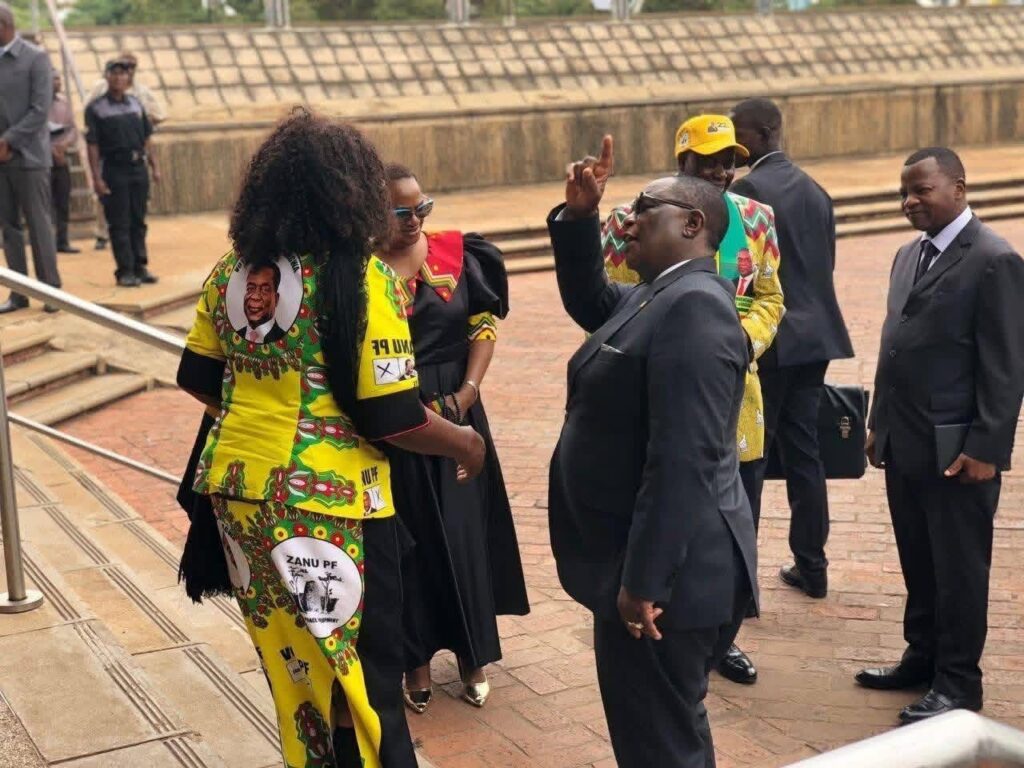
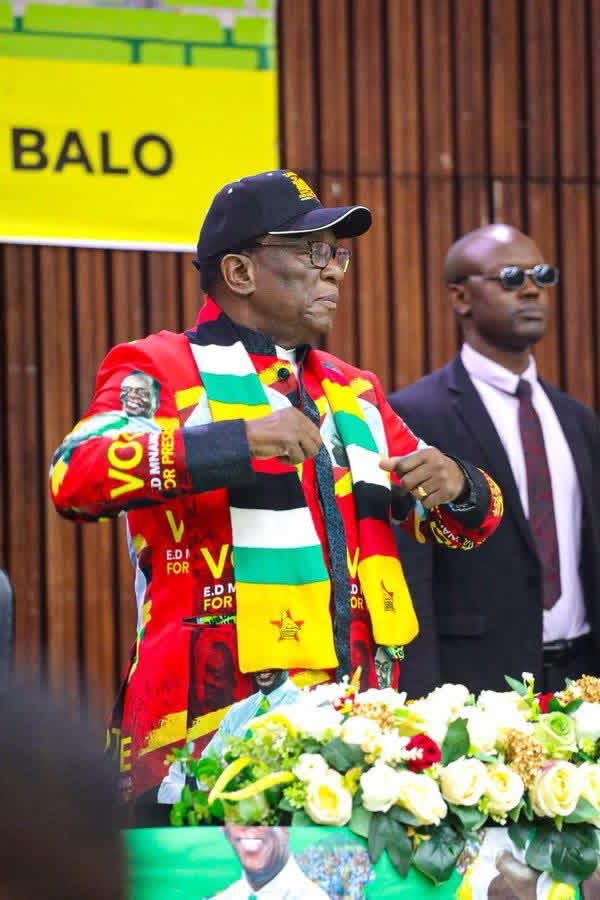
Still, the President reminded the Central Committee that policy alone does not build a nation. It requires disciplined, committed leadership within the party structures. That message paved the way for a deeper discussion on party organisation and internal discipline. President Mnangagwa called on members to conduct themselves with integrity, dignity and full adherence to the party constitution. At a time when the party’s presence and influence continue to grow, he said, leaders must be examples of the values they preach, serving with humility, transparency and responsibility
.
One of the most significant developments highlighted during the meeting was progress in digitalising the party membership database. The President praised the work already done, noting that digital verification enhances transparency, strengthens organisational efficiency and modernises party administration. He urged all departments to intensify their efforts and ensure that the party maintains a credible, accurate electronic system that supports its long-term vision. As Zimbabwe continues to embrace digital transformation at the national level, ZANU PF must also modernise its internal operations.
The President’s forward-looking vision extended into capacity building. He announced that a joint workshop for the Central Committee and the Politburo is scheduled for next year, focusing specifically on the detailed implementation of the NDS2 policy. The workshop is expected to equip senior leaders with practical skills, deeper policy literacy and the technical knowledge needed to guide national development. In an era where governance demands both ideological clarity and technical competence, such training is increasingly vital.
Throughout the session, one idea resurfaced repeatedly: the Second Republic is determined to consolidate the gains made so far and push harder toward a fully transformed Zimbabwe. The President reflected on how far the nation has come, but he was equally blunt about the challenges that remain. Unemployment, global economic pressures, climate shocks and the persistence of illegal sanctions all continue to shape the national experience. Yet he reminded members that challenges have never defined Zimbabwe’s destiny. The country’s future, he insisted, will be shaped by its own people, guided by their resilience, hard work and shared values.
As the meeting drew to a close, there was a palpable sense that the 129th Ordinary Session had given the Central Committee a renewed sense of direction. Delegates walked away with a deeper understanding of their roles, a clearer view of the nation’s path and a revived commitment to safeguarding the unity and progress of the party.
The President’s message resonated strongly across the room. Vision 2030 is not simply a government dream; it is a national covenant, a generational promise that requires a united political leadership. ZANU PF, he said, must continue to be the anchor of stability, the protector of national sovereignty and the engine of economic transformation.
By the end of the meeting, the tone was unmistakable. Zimbabwe is moving forward. The work is demanding, the stakes are high, but the direction is clear. Under the steady leadership of President Emmerson Mnangagwa and the collective discipline of the ruling party, the nation stands poised to press ahead toward a more prosperous, self-reliant and dignified future.
About The Author