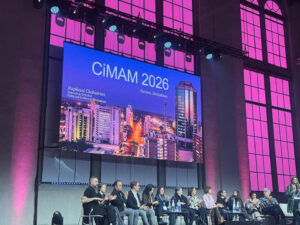
Africa Moves from Exhibition to Authority as Zimbabwe Hosts CIMAM 2026
5 min read
Feature – Harare is preparing for a moment that will echo far beyond its galleries and museum halls. In 2026, Zimbabwe will host the 58th Annual Conference of the International Committee for Museums and Collections of Modern Art, widely known as CIMAM. It will be the first time in history that this influential global forum convenes on African soil.
This is not merely a calendar event for the arts sector. It is a statement about where the intellectual centre of modern and contemporary art is shifting. This is a big score for the Second Republic under the able leadership of His Excellency the President, Dr. ED Mnangagwa whose Zimbabwe is Open for Business Policy has continued to reap positives across sectors.
CIMAM operates under the umbrella of the International Council of Museums and brings together directors and senior curators from leading modern art museums across the world. Its annual conference is a high level platform where policy, ethics, governance models, acquisition strategies, restitution debates and the philosophical direction of modern museums are interrogated and refined.
For decades, these conversations have unfolded largely in Europe and North America. In 2026, they will unfold in Harare.
That shift carries profound symbolic and strategic weight.
For generations, African art has travelled across oceans to be exhibited, interpreted and framed by institutions outside the continent. African artists have shaped global modernism, yet the institutional power to define and contextualise that contribution has often remained elsewhere. By hosting CIMAM, Zimbabwe is helping reposition Africa from subject to authority.
This is about narrative power.
When museum directors and cultural policymakers gather in Harare, they will do so within a context shaped by African histories, aesthetics and lived realities. The debates around what constitutes modern art, how collections should be built, and how museums should engage communities will no longer be abstract discussions detached from the continent. They will take place within it.
That changes the tone of the room.
The announcement of Zimbabwe’s hosting of the conference was made by the Minister of Sport, Recreation, Arts and Culture, Lt. Gen. Anselem Nhamo Sanyatwe, who underscored the historic significance of the moment. Beyond the ceremonial aspect, the decision signals growing confidence in Zimbabwe’s cultural institutions and curatorial leadership.
At the centre of this moment stands the National Gallery of Zimbabwe. Established in 1957, the Gallery has long been a custodian of Zimbabwe’s modern and contemporary art heritage. From the internationally celebrated Shona sculpture movement to bold contemporary visual experimentation, Zimbabwe’s artistic tradition has never been peripheral to global discourse. It has been foundational.
Hosting CIMAM offers the National Gallery a rare opportunity to showcase that lineage to a concentrated audience of global decision makers. It allows Zimbabwe to assert that African modernism is not a derivative echo of Western movements but an intellectual and aesthetic force in its own right.
The conference also intersects with some of the most urgent debates shaping museums worldwide. Questions of restitution and repatriation of cultural artefacts have intensified in recent years. African nations have pressed for the return of heritage objects removed during colonial eras. Discussions around decolonising museum practice, ethical collecting and inclusive narratives are no longer optional. They are central.
Bringing CIMAM to Zimbabwe introduces lived experience into those conversations. African institutions are not abstract participants in debates about restitution and representation. They are directly affected stakeholders. Hosting the conference places African voices at the centre of deliberation rather than at the margins.
The implications extend beyond symbolism.
From an economic perspective, the arrival of international delegates, curators, scholars and museum directors will stimulate sectors ranging from hospitality to tourism. Hotels, transport providers, restaurants and local service industries stand to benefit. More importantly, Zimbabwe’s creative economy gains exposure.
For young curators, art historians and cultural managers, proximity to global museum leadership can be transformative. Access to workshops, panel discussions and informal networking spaces often accelerates professional growth in ways that cannot be replicated through remote engagement. Zimbabwean professionals will be able to engage directly with global peers without the prohibitive costs of international travel.
That access matters.
Culturally, Zimbabwe stands to gain an elevated profile within international museum networks. Partnerships forged during the conference could translate into travelling exhibitions, research collaborations, artist residencies and long term institutional exchanges. Such relationships strengthen not only the arts sector but the country’s broader cultural diplomacy footprint.
In a world where national images are often shaped by political headlines, culture offers a different narrative pathway. Hosting CIMAM allows Zimbabwe to present itself through the lens of creativity, scholarship and institutional leadership. It is soft power expressed through intellect and heritage rather than rhetoric.
There is also a continental dimension to this moment. Africa has produced some of the most dynamic contemporary art scenes of the past two decades. Cities such as Lagos, Dakar and Johannesburg have nurtured biennales and art fairs that command international attention. Yet major global museum governance platforms have rarely convened on the continent.
Zimbabwe’s hosting of CIMAM may open the door for more equitable geographic distribution of such gatherings in the future. It signals recognition that Africa is not merely a source of artistic production but a site of institutional thought leadership.
The phrase first time on African soil should not be treated as a footnote. It is a milestone in the gradual rebalancing of global cultural governance.
As preparations begin, the task ahead will be to ensure that the conference leaves a lasting legacy. Beyond the week of panels and exhibitions, the true measure of success will lie in sustained partnerships, strengthened local capacity and a deeper embedding of African perspectives in global museum policy frameworks.
For Zimbabwe, this is an opportunity to demonstrate not only hospitality but intellectual stewardship. It is a chance to curate not just exhibitions but conversations about the future of modern art museums worldwide.
Africa has long been exhibited. In 2026, in Harare, it will convene, interrogate and lead.
And in that subtle yet powerful shift, a new chapter in global art history may quietly begin.
About The Author