Zimbabwe’s Creative Spirit Rises with Unstoppable Fire…
4 min read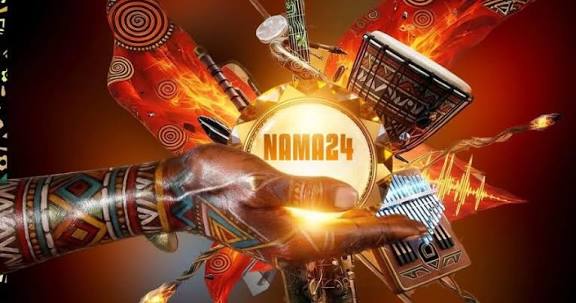
…as NAMA Awards 2026 Nominees Are Unveiled
Feature – Zimbabwe’s artistic soul is blazing once again. The unveiling of the 2026 nominees for the National Arts Merit Awards has sent waves of excitement across the creative landscape, affirming what many have long known. Our storytellers, painters, poets, filmmakers, designers and musicians are not merely creating. They are shaping memory, identity and the future of a people rooted in heritage and driven by vision.
Organised by the National Arts Council of Zimbabwe, the awards stand as the highest honour in the country’s cultural calendar. Yet beyond trophies and red carpet moments, this year’s nominees list feels like a mirror held up to the nation. It reflects resilience. It reflects innovation. Above all, it reflects an unapologetic Afrocentric pride.
In Visual Arts, the canvas becomes a battlefield of ideas and healing. Amanda Shingirai Mushate’s Chimoro neHukoshwa Part 1 wrestles with questions of value and identity in a society negotiating tradition and modernity. Sabina Mutsvati’s Ndishonongoreiwo is both plea and protest, while Shamila Aasha’s Healing Alchemy speaks to restoration in times of fracture. These women are not simply artists. They are custodians of memory, painting stories that refuse erasure.
Their male counterparts are equally bold. Confidence Zinyeka’s Intimate Conversation invites viewers into quiet but powerful spaces of reflection. Pardon Mapondera’s Dotipaiwo Mwenje demands illumination in shadowed times. Tinotenda Chivhinge’s Nonsense Hit Song challenges the absurdities of popular culture with striking visual commentary. Together they demonstrate that Zimbabwean visual art is fearless, experimental and deeply conscious of its social role.
The theatre category pulses with urgency. Productions such as Zi Animal Farm, Can We Talk and In Search of a King show how the stage remains a sacred ground for interrogation and truth telling. Performers like Cadrick Msongelwa, Elroy Takunda Musiiwa and Tsungirirai Chenjerai bring layered characters to life, drawing audiences into conversations about power, justice and the human condition. Theatre in Zimbabwe has always been political, spiritual and communal. This year’s nominees prove that tradition continues.
Literature, often the quiet architect of cultural revolutions, stands tall in the 2026 nominations. Fiction works such as Iluba lika Ntunjambila by Polite Sibanda and The Toppling by Cynthia Rumbidzai Marangwanda echo the complexities of African experience. Non fiction titles like Gonamombe Retsika Namararamiro eChivanhu by Morden Tavarwisa reclaim indigenous knowledge systems in a world that too often sidelines them. These books are not passive entertainment. They are acts of preservation and defiance.
Children’s literature also receives its moment of celebration, reminding the nation that the seeds of identity are planted early. Stories like Mukanyawashe’s Big Adventure and The Adventures of Dafi and Rize nurture imagination while grounding young readers in familiar landscapes and values. In a digital age crowded with foreign narratives, Zimbabwean children’s authors are courageously writing our own heroes.
Film and television categories illustrate an industry steadily maturing. Productions such as High School Diaries and God Sleeps on Sundays capture both the tenderness and turbulence of contemporary life. Actors like Calvin Madula and Wizzy Mangoma embody characters that feel real, flawed and deeply human. Zimbabwean cinema may still wrestle with funding and infrastructure challenges, yet its storytelling power remains undeniable.
Music, as always, commands intense public attention. Cultural powerhouse Jah Prayzah returns with multiple nominations, affirming his enduring resonance with audiences across generations. Dancehall icon Winky D continues to prove that lyrical courage and social commentary are not mutually exclusive. Gospel luminary Michael Mahendere stands tall among nominees, his spiritually charged soundtracks offering solace in uncertain times.
Female musicians are equally commanding. Anisha Tashinga Shonhiwa, known to many as Nisha Ts, brings fierce feminine energy into mainstream spaces, while Sharon Manyonganise Cherayi and Ashleigh Angel Moyo continue to expand the sonic palette of Zimbabwean music. The nominated songs and albums reflect a rich blend of traditional rhythms, urban grooves and global influences. This is music rooted in mbira spirit yet comfortable on international stages.
Dance categories highlight bodies in motion as vessels of narrative. From the expressive works of Salt n Light Dance Company to the rising influence of performers like Prince Mbisa and Mandisa Maseko, Zimbabwean dance is fluid, athletic and culturally grounded. Each leap and turn carries echoes of ancestral ceremonies and contemporary struggle.
Digital Arts, a relatively young category, signals a generational shift. Social media creators and podcasters are redefining influence and storytelling in real time. They are turning smartphones into studios and timelines into theatres. In many ways, this digital renaissance ensures that Zimbabwe’s stories travel faster and farther than ever before.
The Special Awards category brings an emotional dimension. Zimbabweans in the diaspora such as DJ Nitefreak and Chrispen Nyathi remind us that distance does not dilute identity. Across Europe and Southern Africa, they carry the Zimbabwean flag through music and film, building bridges between continents.
Perhaps the most anticipated prize remains the People’s Choice Award. Here, public sentiment meets artistic achievement. Nominees including Winky D and Jah Prayzah command loyal fan bases whose votes will echo across social media platforms. It is democracy in its most creative form.
As the nation counts down to the awards ceremony, there is a deeper conversation unfolding. The NAMA Awards are not merely about glamour or competition. They are about affirmation. In a world where African stories have often been filtered through foreign lenses, Zimbabwe’s artists are reclaiming authorship. They are declaring that our languages, rhythms, colours and struggles are worthy of global attention.
The 2026 nominees list reads like a love letter to the nation’s creative resilience. It is a reminder that art is not a luxury. It is survival. It is memory. It is prophecy. Zimbabwe’s cultural heartbeat is steady and strong, and through the NAMA platform, it continues to drum a message that cannot be ignored.
The arts are alive. The spirit is unbroken. And Zimbabwe is telling its story on its own terms.
About The Author