


Feature — The Complete Guide to Tobacco Farming in Zimbabwe 2026 begins with understanding why tobacco remains one of the most influential cash crops driving Zimbabwe’s agricultural economy. Tobacco continues to anchor rural livelihoods, foreign currency earnings, and export performance, making it a central pillar in the country’s farming landscape. As global markets evolve and climate pressures intensify, Zimbabwean farmers are adapting with new technologies, improved agronomic practices, and more structured value chain systems.
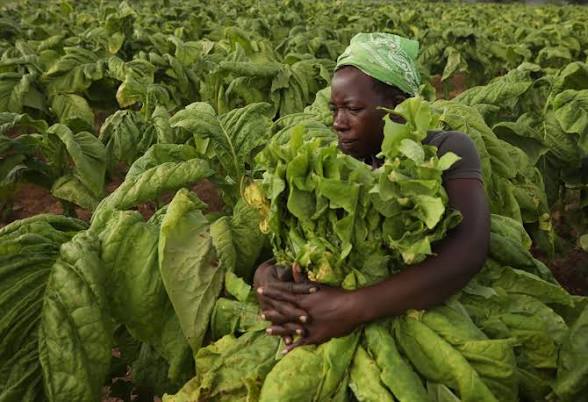
For decades, tobacco has been referred to as Zimbabwe’s “golden leaf,” and in 2026 it still carries that reputation, although the sector is now shaped by stricter regulations, climate-smart agriculture, and shifting international demand patterns. Farmers ranging from smallholder growers to large commercial operations are now part of a more competitive and data-driven industry.
Understanding the Importance of Tobacco in Zimbabwe’s Economy
Tobacco remains one of Zimbabwe’s top foreign currency earners, contributing significantly to national exports. The crop supports hundreds of thousands of farmers and indirectly sustains millions of livelihoods through processing, transport, and marketing.
In rural communities, tobacco farming has become a pathway out of poverty for many households. Smallholder farmers, supported by contract farming arrangements, now dominate production volumes. These arrangements provide access to seed, fertiliser, chemicals, and guaranteed markets, allowing even resource constrained farmers to participate in commercial agriculture.
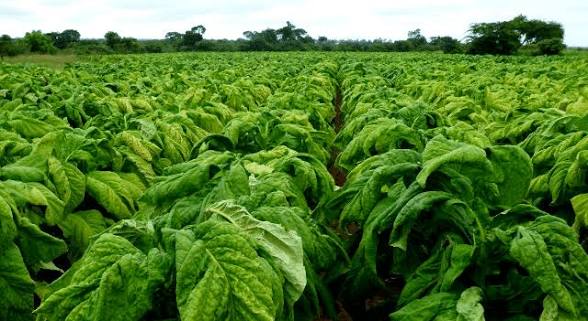
The Complete Guide to Tobacco Farming in Zimbabwe 2026 highlights how this system has transformed rural economies, but also how it has introduced dependency on contractors and global price fluctuations.
Climate Conditions and Suitable Growing Regions
Tobacco farming in Zimbabwe is heavily influenced by climate and geography. The crop thrives in regions with well drained sandy soils and moderate rainfall. Traditionally, areas such as Mashonaland West, Mashonaland Central, and Mashonaland East have dominated production.
However, changing rainfall patterns linked to climate change have forced farmers to adapt. Irrigation systems are becoming more important, especially for seedling nurseries and early crop establishment. Farmers are also adopting conservation agriculture techniques to retain soil moisture and improve resilience against drought.
The Complete Guide to Tobacco Farming in Zimbabwe 2026 emphasizes that successful growers are now those who combine traditional knowledge with modern climate-smart practices.
Land Preparation and Soil Management
Proper land preparation is critical for high quality tobacco production. Farmers begin by clearing fields early, followed by deep ploughing to ensure good root development. Soil testing has become increasingly important, allowing farmers to determine nutrient levels before planting.
Tobacco is a nutrient demanding crop, and soil fertility management plays a central role in yield performance. Farmers apply lime to correct soil acidity and use basal fertilisers to improve phosphorus and potassium levels.
Crop rotation is also encouraged to prevent soil exhaustion and reduce pest build up. Maize, soya beans, and legumes are commonly used rotational crops in tobacco growing regions.
Seed Selection and Nursery Management
Seed selection determines the quality and market value of tobacco leaves. Farmers typically choose high yielding, disease resistant varieties suited to local conditions. Nurseries are established under controlled environments to produce strong seedlings.
Seedbeds are carefully prepared with fine soil texture and adequate fertilisation. Regular watering and pest control ensure uniform germination. After 6 to 8 weeks, seedlings are transplanted into the main field.
The Complete Guide to Tobacco Farming in Zimbabwe 2026 stresses that poor nursery management often leads to weak crops and reduced yields later in the season.
Planting and Field Management
Transplanting is done when seedlings reach optimal height and stem thickness. Farmers space plants carefully to ensure proper airflow and sunlight penetration. This reduces disease risk and improves leaf quality.
Weed control is essential during early growth stages. Farmers use a combination of manual weeding and approved herbicides. Timely topping and suckering are also important practices that direct plant energy into leaf development rather than flowering.
Irrigation, where available, is applied strategically to avoid water stress, particularly during dry spells.
Pest and Disease Control
Tobacco is vulnerable to a range of pests and diseases that can significantly reduce yield if not managed effectively. Common threats include aphids, hornworms, and cutworms, as well as diseases such as black shank and tobacco mosaic virus.
Integrated pest management has become the preferred approach in modern farming systems. This includes crop monitoring, biological control methods, and the responsible use of pesticides.
Farmers are encouraged to follow recommended spraying schedules and avoid overuse of chemicals, which can affect leaf quality and market acceptance.
Harvesting and Curing Process
Harvesting is a delicate stage that determines the final quality of tobacco. Leaves are picked in stages as they mature from the bottom to the top of the plant. This ensures optimal colour, texture, and nicotine content.
After harvesting, curing begins immediately. In Zimbabwe, flue curing is the most common method, using heated barns to dry leaves under controlled conditions. Proper curing enhances leaf colour and aroma, which are key factors in determining price on the auction floors.
The Complete Guide to Tobacco Farming in Zimbabwe 2026 notes that curing mistakes can lead to significant financial losses, even if field production was successful.
Marketing and Auction System
Zimbabwe’s tobacco is sold through both auction floors and contract arrangements. The auction system allows farmers to receive competitive bidding for their crop, while contract farming offers price certainty and input support.
Major buyers include international cigarette manufacturers and leaf dealers who export to global markets. Prices fluctuate based on global demand, quality grades, and currency conditions.
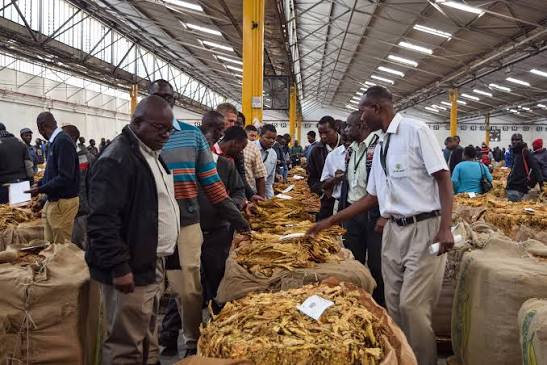
Farmers are encouraged to grade their tobacco correctly before marketing to maximize returns. Proper handling and packaging also improve bargaining power at sale points.
Challenges Facing Tobacco Farmers
Despite its profitability, tobacco farming faces several challenges. Rising input costs remain a major concern, particularly fertilisers, fuel, and chemicals. Climate variability also affects production consistency.
Access to finance is another constraint, especially for smallholder farmers who depend heavily on contract schemes. In some cases, delayed payments and pricing disputes create financial uncertainty.
Environmental concerns are also increasing. Tobacco farming contributes to deforestation due to curing wood requirements, although alternative energy sources are being explored.
The Complete Guide to Tobacco Farming in Zimbabwe 2026 highlights that addressing these challenges is essential for long term sustainability.
Innovation and the Future of Tobacco Farming
Innovation is reshaping the tobacco sector in Zimbabwe. Digital farming tools, mobile market platforms, and precision agriculture are gradually being adopted. These technologies help farmers track weather patterns, manage inputs, and improve productivity.
There is also growing interest in sustainable curing methods, including solar and biomass energy solutions, aimed at reducing environmental impact.
Government and private sector partnerships are supporting training programs that equip farmers with modern skills. These initiatives are expected to improve efficiency and global competitiveness.
Conclusion
The Complete Guide to Tobacco Farming in Zimbabwe 2026 reflects a sector in transition, balancing tradition with modern agricultural innovation. While tobacco remains a key economic driver, its future depends on sustainability, efficiency, and adaptability.
Farmers who embrace new technologies, improve soil management, and adopt climate-smart practices are likely to remain competitive in both local and global markets. As Zimbabwe continues to strengthen its agricultural base, tobacco will remain a central but evolving pillar of rural prosperity.
[…] The Complete Guide to Tobacco Farming in Zimbabwehttps://zimglobalmedia.co.zw/the-complete-guide-to-tobacco-farming-in-zimbabwe-2026/zimgloba/ […]