

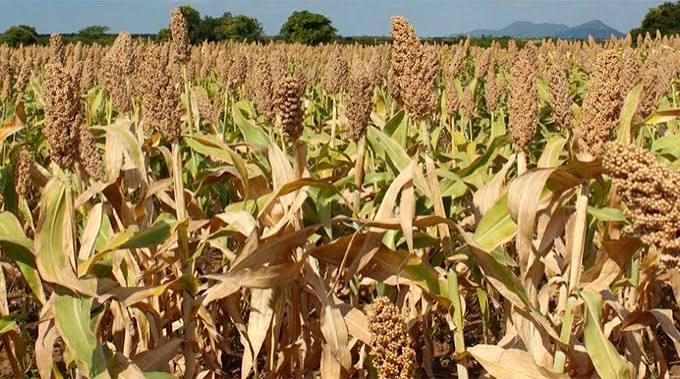
Feature – Drought-Resistant Crops for Zimbabwean Farmers are becoming increasingly important as climate change continues to affect rainfall patterns across the country. Frequent droughts, prolonged dry spells, and unpredictable weather conditions have made it difficult for many farmers to rely solely on traditional crops such as maize. As a result, agricultural experts are encouraging farmers to diversify into crops that can withstand harsh climatic conditions while maintaining productivity.
Zimbabwe’s agricultural sector remains a vital pillar of the economy, employing a significant portion of the population and contributing to national food security. However, recurring droughts have exposed the vulnerability of rain-fed agriculture, particularly in the country’s drier regions. Adopting drought-tolerant crops offers farmers a practical solution to safeguard their livelihoods and improve resilience against climate shocks.
Why Drought-Resistant Crops Matter
Climate scientists have warned that Southern Africa is likely to experience increasing temperatures and more erratic rainfall patterns in the coming decades. For Zimbabwean farmers, this means adapting farming practices to suit changing environmental conditions.
Drought-resistant crops require less water, can survive periods of moisture stress, and often produce acceptable yields even under challenging conditions. These crops help reduce the risk of total crop failure and provide alternative sources of food and income during drought years.
In addition to improving food security, many drought-tolerant crops offer nutritional benefits and access to emerging markets, making them attractive options for both smallholder and commercial farmers.
Sorghum: Zimbabwe’s Climate-Smart Grain
Sorghum is widely regarded as one of the most reliable drought-resistant crops available to Zimbabwean farmers. The crop is well adapted to low rainfall areas and can survive extended dry periods better than maize.
Sorghum is used for making porridge, traditional beverages, stock feed, and various industrial products. It grows well in Natural Regions III, IV, and V, where rainfall is often limited and unpredictable.
One of sorghum’s greatest advantages is its deep root system, which enables it to access moisture from deeper soil layers during dry spells. Modern sorghum varieties also offer improved yields and disease resistance, making the crop increasingly attractive to farmers.
Pearl Millet: A Traditional Crop Making a Comeback
Pearl millet, commonly known as mhunga in Zimbabwe, has long been cultivated in dry regions of the country. The crop is highly tolerant to drought and high temperatures, making it ideal for areas where maize frequently fails.
Millet produces nutritious grain rich in protein, iron, and essential minerals. It can be processed into porridge, meal, and baked products while also serving as livestock feed.
Agricultural experts have noted growing interest in millet production due to increasing awareness of its climate resilience and nutritional value. The crop requires relatively low inputs and performs well under marginal farming conditions.
Finger Millet: The Small Grain with Big Benefits
Finger millet, known locally as rapoko, is another important drought-resistant crop that is gaining popularity among Zimbabwean farmers. It is particularly valued for its exceptional nutritional qualities and long storage life.
The crop is rich in calcium, fibre, and essential amino acids. Finger millet can be stored for several years without significant quality loss, making it an important food security crop for rural households.
Although finger millet requires careful management during planting and weeding, its ability to tolerate dry conditions makes it a valuable addition to climate-smart farming systems.
Cowpeas: A Dual-Purpose Crop
Cowpeas are among the most versatile drought-resistant crops available to Zimbabwean farmers. They provide both grain for human consumption and nutritious fodder for livestock.
The crop grows well in low-rainfall areas and can produce acceptable yields even under moisture-stressed conditions. Cowpeas are rich in protein and play an important role in improving household nutrition.
As a legume, cowpeas also improve soil fertility by fixing nitrogen, reducing the need for expensive fertilizers in subsequent cropping seasons.
Groundnuts: Profitable and Resilient
Groundnuts remain one of Zimbabwe’s most important cash crops and are relatively drought tolerant once established. They are widely grown by smallholder farmers for both household consumption and commercial sale.
Groundnuts provide valuable protein, cooking oil, and income opportunities. The crop performs best in sandy, well-drained soils and can withstand short periods of moisture stress.
Growing demand for peanut butter, cooking oil, and confectionery products continues to create market opportunities for farmers who invest in quality groundnut production.
Sunflower: A Rising Oilseed Crop
Sunflower has emerged as an attractive option for farmers seeking drought-tolerant cash crops. The crop is relatively resilient to dry conditions and can perform better than many traditional crops during seasons of below-average rainfall.
Sunflower seeds are processed into cooking oil, stock feed, and various industrial products. Increased local demand for edible oils has created a growing market for sunflower producers across Zimbabwe.
The crop also requires fewer inputs compared to some other commercial crops, making it suitable for resource-constrained farmers.
Bambara Nuts: The Forgotten Climate Champion
Bambara nuts are among Africa’s most drought-tolerant indigenous crops. Although not widely cultivated on a commercial scale in Zimbabwe, they offer enormous potential for improving food security in dry regions.
The crop produces protein-rich nuts that can be consumed directly or processed into flour and other food products. Bambara nuts are capable of producing yields under conditions where many other crops fail.
Researchers and development organizations are increasingly promoting the crop as part of efforts to strengthen climate resilience in African agriculture.
Climate-Smart Farming Practices
While drought-resistant crops offer significant advantages, farmers can further improve productivity through climate-smart agricultural practices.
These include conservation agriculture, mulching, water harvesting, minimum tillage, crop rotation, and the use of organic manure. Such practices help retain soil moisture, improve soil health, and enhance crop performance during dry periods.
The Pfumvudza/Intwasa programme has demonstrated how climate-smart farming techniques can increase yields while improving resilience to drought.
Market Opportunities for Drought-Tolerant Crops
Growing consumer awareness of healthy diets has increased demand for traditional grains such as sorghum, millet, and rapoko. Government institutions, food processors, breweries, and livestock feed manufacturers are also creating new market opportunities for drought-tolerant crops.
Farmers who diversify production and target emerging markets can improve profitability while reducing exposure to climate-related risks.
Value addition through processing and packaging can further increase returns and create employment opportunities within rural communities.
Conclusion
Drought-resistant crops for Zimbabwean farmers represent a practical and sustainable solution to the growing challenges posed by climate change. Crops such as sorghum, millet, finger millet, cowpeas, groundnuts, sunflower, and Bambara nuts offer improved resilience, food security, and income-generating opportunities.
As Zimbabwe continues to face increasingly unpredictable weather patterns, diversification into drought-tolerant crops will become essential for building a more resilient agricultural sector. By embracing climate-smart agriculture and investing in resilient crop varieties, farmers can protect their livelihoods and contribute to national food security for generations to come.