

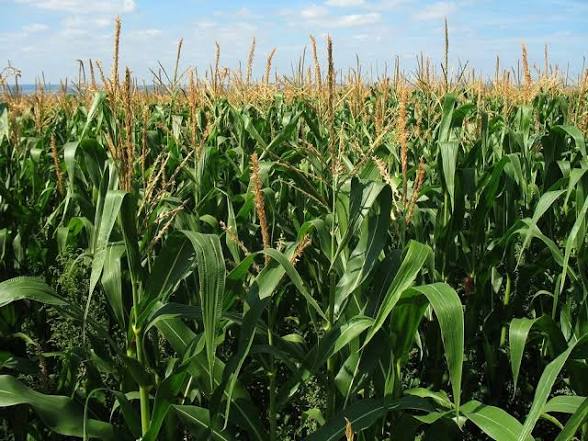
Feature – Maize Farming in Zimbabwe remains the backbone of the country’s agricultural sector and food security system. As the nation’s staple crop, maize is grown by both smallholder and commercial farmers across the country. With proper planning, good agronomic practices, and effective crop management, maize farming can provide substantial yields and income while contributing significantly to national food security.
Zimbabwe’s agricultural economy is heavily dependent on maize production. The crop is cultivated in all farming regions, although the highest potential for rain-fed maize production is found in Natural Regions I and II, which receive higher and more reliable rainfall. Maize generally performs best in areas receiving at least 500mm of rainfall annually and in deep, well-drained fertile soils.
Importance of Maize Farming in Zimbabwe
Maize is the primary staple food consumed by millions of Zimbabweans. It is used to produce mealie meal, livestock feed, and various industrial products. The crop also serves as a major source of income for farmers and supports thousands of jobs across the agricultural value chain.
Recent improvements in rainfall patterns and government-supported farming programmes have helped boost maize production, demonstrating the strategic importance of the crop to Zimbabwe’s economy and food security.
Choosing the Right Land
Successful maize production begins with selecting suitable land. Maize thrives in fertile soils with good drainage and adequate organic matter. Waterlogged soils should be avoided because they can stunt growth and increase disease pressure.
The ideal soil pH for maize ranges between 5.5 and 6.5. Farmers are encouraged to conduct soil testing before planting to determine nutrient deficiencies and liming requirements. Proper soil preparation improves root development, nutrient uptake, and moisture retention.
Land Preparation
Land preparation should begin several weeks before the onset of the rainy season. Fields should be cleared of weeds, crop residues, and other obstacles. Ploughing and harrowing help create a fine seedbed that promotes uniform germination.
Conservation agriculture techniques such as Pfumvudza and potholing have gained popularity in Zimbabwe because they improve water retention and help farmers cope with increasingly erratic rainfall patterns. These methods minimize soil disturbance while conserving moisture and improving productivity.
Selecting the Right Seed Variety
Seed selection is one of the most critical decisions in maize production. Farmers should choose certified seed varieties that are suited to their agro-ecological region, rainfall patterns, and intended market.
Early-maturing varieties are often recommended for drought-prone regions, while medium and late-maturing varieties may perform better in high-rainfall areas. Certified seed offers better germination rates, disease resistance, and yield potential compared to recycled seed.
For most commercial grain production systems, approximately 25 to 30 kilograms of seed are required per hectare.
Planting Maize
Timing is crucial in maize production. Farmers should plant immediately after receiving effective planting rains to maximize moisture utilization throughout the growing season.
Recommended plant populations generally range between 45,000 and 55,000 plants per hectare, depending on variety, rainfall zone, and production objectives. Proper spacing ensures optimal sunlight interception, nutrient use, and airflow within the crop canopy.
Fertilizer Management
Maize is a nutrient-demanding crop that requires adequate fertilization for high yields. Nitrogen and phosphorus are particularly important during the crop’s growth cycle.
Basal fertilizers such as Compound D are commonly applied at planting to support root development and early growth. Top dressing with Ammonium Nitrate is typically applied in split applications several weeks after emergence to supply nitrogen during periods of rapid vegetative growth.
General recommendations indicate that maize requires significant nitrogen and phosphorus inputs to achieve optimal yields, although exact rates should be guided by soil test results.
Weed Management
Weeds compete directly with maize for nutrients, water, sunlight, and space. Effective weed control during the first six to eight weeks after planting is critical because this period determines much of the crop’s yield potential.
Farmers can control weeds through hand weeding, mechanical cultivation, mulching, or herbicide applications. Maintaining a weed-free field during the early growth stages significantly improves maize performance and profitability. Yield losses from unmanaged weeds can be substantial.
Pest and Disease Control
Several pests threaten maize production in Zimbabwe, with Fall Armyworm being among the most destructive. The pest can cause severe crop damage if not detected and controlled early.
Regular scouting is essential throughout the growing season. Farmers should inspect fields weekly and apply recommended control measures when infestations are detected.
Other common challenges include stalk borers, leaf diseases, and storage pests. Integrated pest management practices combining cultural, biological, and chemical control methods provide the most sustainable solution.
Water Management and Irrigation
Water availability remains one of the biggest challenges facing maize farmers in Zimbabwe. Drought stress during flowering and grain filling can significantly reduce yields.
Farmers are encouraged to adopt moisture conservation techniques such as mulching, tied ridges, potholing, and conservation agriculture. Where possible, supplementary irrigation can help stabilize yields and reduce climate-related risks.
Research has shown that improved soil moisture management and water harvesting technologies can increase maize productivity in semi-arid regions.
Harvesting and Storage
Harvesting should be done when maize cobs have fully matured and grain moisture levels have dropped sufficiently. Delayed harvesting can expose crops to pests, mould, and grain losses.
After harvesting, maize should be properly dried before storage. Farmers should use clean, dry storage facilities and regularly monitor grain condition to prevent post-harvest losses.
Good storage practices help maintain grain quality and improve market value.
Challenges Facing Maize Farmers
Zimbabwean maize farmers face several challenges, including climate change, droughts, rising input costs, pest outbreaks, and limited access to financing. Rainfall variability continues to affect production in many parts of the country, particularly in Natural Regions III, IV, and V.
Despite these challenges, farmers who adopt modern agronomic practices, conservation agriculture, improved seed varieties, and effective nutrient management continue to achieve impressive yields.
Conclusion
Maize farming remains one of the most important agricultural enterprises in Zimbabwe. Success requires proper planning, timely planting, good seed selection, balanced fertilization, effective weed and pest management, and sound post-harvest handling practices.
As climate conditions continue to evolve, farmers must embrace innovative technologies and conservation farming methods to improve resilience and productivity. By following best agricultural practices, maize farmers can increase yields, enhance profitability, and contribute to Zimbabwe’s long-term food security.\