Screenshot
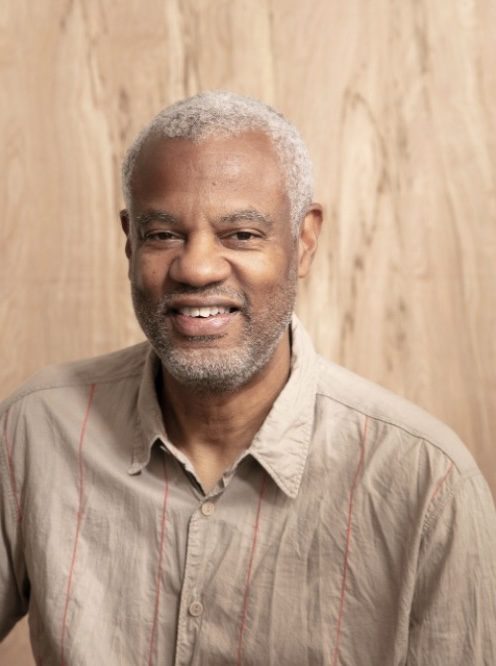
Feature – Hamza Walker, Director of The Brick, Los Angeles, United States, brought an important perspective on the relationship between contemporary art, historical memory and social healing during the second day of the 58th Annual Conference of the International Committee for Museums and Collections of Modern Art (CIMAM), held in Harare.
His presentation, titled “Exhibitions and Pre-conditions for Healing,” examined the responsibility of museums and exhibitions in confronting difficult historical experiences, addressing unresolved social tensions and creating opportunities for meaningful conversations about the past.
The presentation formed part of Day Two of CIMAM 2026, held on Saturday, November 21, at the Harare International School (HIS), under the conference programme theme, Tools of Transformation.
Walker’s contribution placed exhibitions within a broader discussion about the ability of cultural institutions to engage with painful histories and establish conditions in which societies can begin to understand, acknowledge and confront the experiences that continue to shape their collective identities.
The presentation was particularly significant within the wider conference theme, “Museums Beyond Limits: Imagining Repair Across Cultures, Ecologies and Knowledges,” which challenged museum professionals to reconsider the traditional boundaries of museums and their responsibilities in contemporary society.
Central to Walker’s presentation was the historical experience of slavery in the United States and the continuing debate surrounding how this painful chapter of history is represented in public spaces, educational institutions and museums.
Slavery is frequently described as America’s original sin, having played a defining role in the country’s historical development and contributing to the divisions that culminated in the American Civil War.
However, the manner in which slavery and its enduring consequences are addressed remains contested in American society.
Walker highlighted the difficulties associated with confronting such histories, particularly where public memorials, educational narratives and museum exhibitions become spaces of disagreement over historical interpretation, national identity and collective responsibility.
The issue raises fundamental questions about whether societies can achieve meaningful healing when difficult historical experiences remain disputed, minimised or inadequately acknowledged.
His presentation explored how museums can contribute to creating the conditions necessary for healing without necessarily claiming that exhibitions alone can resolve deeply rooted historical injustices.
Drawing on the exhibition MONUMENTS, Walker used the relationship between historical memory, public representation and contemporary museum practice to examine the role of exhibitions in facilitating difficult conversations.
The exhibition provided a framework for considering how monuments and commemorative spaces influence the way societies remember their past, whose experiences are publicly recognised and which historical narratives receive institutional attention.
Monuments occupy an important position in the construction of collective memory. They are physical representations of the individuals, events and ideas that societies choose to commemorate.
However, as social values and historical understanding evolve, monuments can become subjects of renewed scrutiny, particularly when the histories they represent are associated with exclusion, injustice or contested interpretations of the past.
For museums, these questions present both institutional responsibilities and opportunities for transformation.
Rather than treating exhibitions as neutral presentations of objects and historical information, Walker’s discussion encouraged consideration of their potential to become platforms for reflection, dialogue and the examination of difficult truths.
This perspective reinforces the growing importance of museums as active participants in contemporary social and cultural conversations.
Museums are increasingly expected to engage with the communities whose histories they preserve, while recognising that historical interpretation is not always straightforward or universally accepted.
In this context, the idea of healing requires more than the preservation of historical objects or the presentation of carefully curated exhibitions.
It involves creating spaces where different experiences can be acknowledged, difficult questions can be raised and audiences can engage with histories that may challenge established beliefs.
Walker’s presentation also highlighted the importance of understanding that healing is a process rather than an immediate outcome.
Cultural institutions may help establish the intellectual and social conditions for reconciliation by encouraging historical awareness, empathy and meaningful public engagement.
However, the broader process requires sustained commitment from communities, institutions and society.
The significance of these discussions extends beyond the American historical experience.
Across the world, museums continue to grapple with the legacies of colonialism, slavery, dispossession, conflict and cultural exclusion.
African museums, in particular, occupy an important position in these conversations because of the continent’s historical experiences of colonial domination, the displacement of cultural heritage and the marginalisation of indigenous knowledge systems.
For African cultural institutions, exhibitions provide opportunities to reclaim historical narratives, restore visibility to previously excluded experiences and create platforms through which communities can engage with their own histories.
Zimbabwe offers an especially relevant context for such discussions.
The country’s history, cultural identity and journey towards the preservation and promotion of its heritage demonstrate the importance of institutions that recognise the relationship between historical memory, cultural representation and national identity.
The National Gallery of Zimbabwe has played a significant role in preserving and presenting the country’s artistic heritage while providing platforms for both established and emerging artists.
Through its collections, exhibitions and educational programmes, the institution contributes to the preservation of Zimbabwe’s visual culture and the development of contemporary artistic expression.
Hosting CIMAM 2026 provides an opportunity for the National Gallery and Zimbabwe’s wider cultural sector to participate in international discussions about the changing responsibilities of museums.
Walker’s presentation complemented these discussions by demonstrating how exhibitions can become instruments for examining historical experiences and encouraging societies to confront uncomfortable questions.
The broader importance of the presentation also lies in its challenge to the conventional understanding of museums as institutions primarily concerned with collecting, conserving and displaying artworks.
While these responsibilities remain fundamental, contemporary museums are increasingly expected to respond to the social realities surrounding them.
They must consider how their collections relate to the communities they serve, how historical narratives are constructed and how exhibitions can encourage greater understanding across different cultural experiences.
This is particularly important at a time when societies are navigating complex debates about identity, historical accountability, representation and social justice.
The theme of CIMAM 2026 provides an important framework for examining these responsibilities through the interconnected ideas of cultural repair, ecological relationships and diverse knowledge systems.
By bringing together museum directors, curators, researchers, artists and cultural professionals from different parts of the world, the conference creates opportunities for the exchange of ideas and experiences that can influence the future direction of museum practice.
Walker’s contribution demonstrated the value of bringing perspectives from different geographical and historical contexts into these conversations.
His experience leading The Brick, formerly known as LAXART, in Los Angeles has placed him within the contemporary art environment, where alternative exhibition spaces and experimental artistic practices contribute to broader debates about the relationship between art and society.
He has served as Director of the institution since 2016.
His presentation at CIMAM 2026 therefore offered an opportunity to examine how exhibition-making can extend beyond artistic presentation and engage with questions that affect collective memory and social relationships.
For Zimbabwe, the conversations emerging from the conference carry significance for the future development of cultural institutions and the creative economy.
As the country continues to strengthen its international cultural partnerships, there is an opportunity to develop exhibitions that engage more deeply with Zimbabwean experiences, historical memory and indigenous knowledge.
The discussions also reinforce the importance of ensuring that museums remain accessible, relevant and responsive to the communities whose heritage they preserve.
Ultimately, Walker’s presentation placed an important question before the international museum community: what conditions must exist before societies can begin to heal from difficult histories?
It is a question that challenges museums to look beyond the objects in their collections and examine the broader responsibilities they carry in shaping public understanding.
Through exhibitions, museums can open conversations, question established narratives and create opportunities for communities to encounter history from different perspectives.
As CIMAM 2026 brought the international museum community to Harare, presentations such as Walker’s reinforced the importance of museums as spaces for reflection, transformation and the possibilities of cultural repair.
Zimbabwe’s hosting of the historic gathering has provided an important platform for African perspectives to contribute to these global conversations, demonstrating that the future of museums must be shaped through the recognition of diverse histories, experiences and knowledge systems.
About the Author