


Feature – Onion Farming in Zimbabwe is rapidly gaining popularity among farmers due to its high market demand, profitability and ability to generate income throughout the year.
As Zimbabwe continues to promote agricultural diversification and food security, onions have emerged as one of the most attractive horticultural crops for both small-scale and commercial farmers. The crop is widely consumed in households, restaurants, hotels, schools and food-processing industries, creating a stable market across the country.
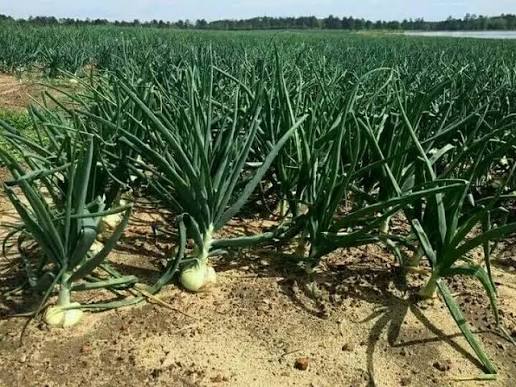
Agricultural experts say farmers who adopt proper production techniques, irrigation systems and market planning can achieve significant returns from onion farming.
Rising Demand for Onions
Onions are among the most consumed vegetables in Zimbabwe and are used in the preparation of a wide range of meals.
The demand for onions remains strong throughout the year, driven by population growth, urbanisation and the expansion of the food service industry. Unlike some horticultural crops that experience seasonal demand fluctuations, onions enjoy relatively consistent consumption patterns.
Market surveys conducted in major urban centres such as Harare, Bulawayo, Mutare and Gweru indicate that traders and retailers often struggle to secure sufficient supplies during certain periods of the year, creating opportunities for farmers.
The country’s growing population and increasing demand from neighbouring markets have further strengthened the business case for onion production.
Suitable Growing Conditions
Zimbabwe possesses favourable climatic conditions for onion production.
The crop performs well in areas with moderate temperatures and well-drained soils. Farmers can successfully grow onions in many provinces, including Mashonaland East, Mashonaland West, Mashonaland Central, Manicaland, Midlands and parts of Masvingo.
Onions thrive in:
- Well-drained sandy loam soils
- Soil pH between 6.0 and 7.0
- Areas with reliable irrigation
- Regions receiving adequate sunlight
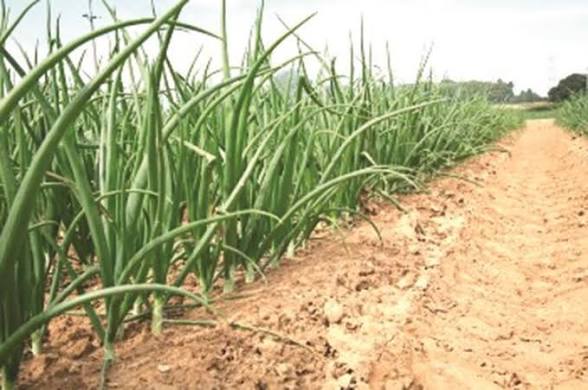
While rainfall can support initial crop establishment, irrigation remains essential for achieving high yields and maintaining consistent production throughout the year.
Popular Onion Varieties
Several onion varieties are suitable for Zimbabwean conditions.
Among the commonly grown varieties are:
- Texas Grano
- Red Creole
- Bombay Red
- Red Pinoy
- White Grano
- Violet de Galmi
Farmers are advised to select varieties based on market demand, disease resistance, maturity period and storage characteristics.
Red onion varieties often command strong demand in local markets due to consumer preference and their attractive appearance.
Land Preparation and Planting
Successful onion farming begins with proper land preparation.
Farmers should plough and harrow the land thoroughly to create a fine seedbed. Organic manure and basal fertilisers can be incorporated into the soil before planting to improve fertility and moisture retention.
Onions are usually established through nurseries before transplanting into the main field.
The nursery stage typically lasts between six and eight weeks. Once seedlings reach the appropriate size, they are transplanted into prepared beds with adequate spacing to promote healthy bulb development.
Proper spacing improves air circulation, reduces disease pressure and enhances bulb size.
Irrigation Requirements
One of the most important factors in onion production is water management.
Onions require consistent moisture during the growing season, particularly during bulb formation.
Farmers using drip irrigation often achieve better water-use efficiency and improved yields compared to traditional irrigation methods.
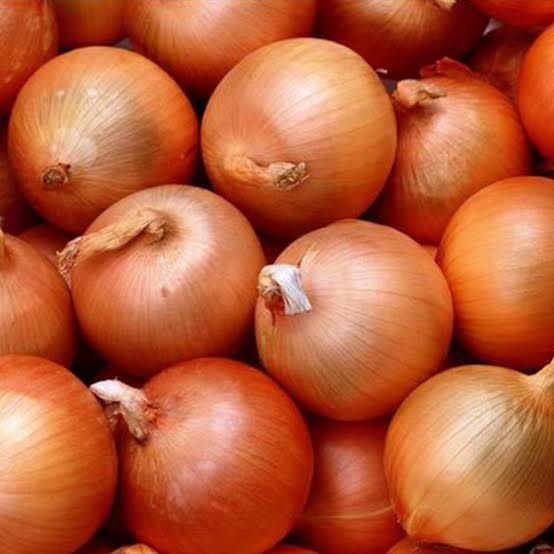
Agricultural specialists recommend avoiding excessive watering because waterlogged conditions can encourage diseases and reduce bulb quality.
As the crop approaches maturity, irrigation is usually reduced to facilitate curing and improve storage quality.
Fertiliser Management
Nutrient management plays a critical role in achieving high yields.
Onions require adequate levels of:
- Nitrogen
- Phosphorus
- Potassium
- Sulphur
Farmers should conduct soil tests before planting to determine nutrient requirements and develop appropriate fertiliser programmes.
Balanced fertilisation promotes vigorous growth, bulb development and improved storage performance.
Experts caution against excessive nitrogen application during the later stages of growth because it can delay maturity and reduce storage life.
Pest and Disease Control
Like many horticultural crops, onions face several pest and disease challenges.
Common pests include:
- Thrips
- Cutworms
- Aphids
- Leaf miners
Major diseases include:
- Purple blotch
- Downy mildew
- Fusarium basal rot
- Onion smut
Integrated pest management practices, proper crop rotation and regular field monitoring can help minimise losses.
Farmers are encouraged to seek advice from agricultural extension officers and crop protection specialists when implementing pest and disease control programmes.
Yield Potential and Profitability
One of the biggest attractions of onion farming is its profitability.
Under good management practices, farmers can achieve yields ranging from 20 to 40 tonnes per hectare, with some commercial operations producing even higher yields.
Depending on market conditions, onion prices can fluctuate significantly throughout the year.
When market prices rise during periods of low supply, farmers can realise substantial profits. Those with access to storage facilities often benefit from holding produce and selling when prices improve.
Agricultural economists note that onion farming offers attractive returns compared to many traditional field crops.
The relatively short production cycle also allows farmers to generate income more frequently.
Marketing Opportunities
Zimbabwe offers several marketing channels for onion producers.
Farmers can sell through:
- Local vegetable markets
- Supermarkets
- Hotels and restaurants
- Food processors
- Wholesale traders
- Export markets
The expansion of organised retail chains has increased demand for quality onions that meet grading and packaging standards.
Farmers who focus on quality production and reliable supply often secure long-term relationships with buyers.
There is also growing potential for value addition through onion processing, packaging and storage services.
Challenges Facing Onion Farmers
Despite its profitability, onion farming is not without challenges.
Farmers commonly face:
- High input costs
- Water shortages
- Pest and disease outbreaks
- Price fluctuations
- Limited storage facilities
However, experts believe these challenges can be managed through proper planning, farmer training and investment in irrigation and post-harvest infrastructure.
Government initiatives supporting horticultural development are also expected to contribute to sector growth.
Bright Future for Onion Farming
As Zimbabwe continues to prioritise agricultural transformation, onion farming is expected to play an increasingly important role in food production and rural economic development.
The combination of strong market demand, favourable growing conditions and attractive profit margins makes onions one of the country’s most promising horticultural crops.
For aspiring farmers seeking a profitable agricultural enterprise, onion farming offers a practical opportunity to generate sustainable income while contributing to national food security and economic growth.
With proper management, access to markets and investment in modern production techniques, onion farming could become a major driver of agricultural prosperity across Zimbabwe.
Related Reads:
- https://www.zimglobalmedia.co.zw/top-20-profitable-crops-to-grow-in-zimbabwe/
- https://www.zimglobalmedia.co.zw/the-complete-guide-to-goat-farming-in-zimbabwe/