


Feature – Success Stories From Zimbabwean Farmers continue to inspire communities across the country as agriculture remains the backbone of Zimbabwe’s economy. From smallholder farmers embracing modern irrigation techniques to large-scale producers achieving record harvests, Zimbabwe’s agricultural sector is witnessing remarkable transformations that are improving livelihoods, creating employment and strengthening national food security.
Despite challenges such as climate change, fluctuating market conditions and limited access to financing, many Zimbabwean farmers have demonstrated resilience, innovation and determination. Their achievements serve as a testament to the potential of agriculture to drive economic growth and rural development.
Across the country’s provinces, farmers are adopting climate-smart agricultural practices, utilizing modern technologies and diversifying their operations to maximize productivity. These efforts are not only increasing household incomes but are also contributing significantly to Zimbabwe’s broader economic development agenda.
One of the most notable success stories has emerged from the country’s irrigation development programmes. Farmers who previously depended entirely on seasonal rainfall are now producing crops throughout the year. Through the expansion of irrigation infrastructure, communities have gained the ability to cultivate vegetables, maize, wheat and horticultural crops even during dry periods.
In regions that were once vulnerable to drought, irrigation schemes have transformed agriculture from a subsistence activity into a profitable business venture. Farmers are now supplying local markets, supermarkets and export destinations with fresh produce while creating employment opportunities for young people within their communities.
The growth of horticulture has also become one of the most encouraging success stories in Zimbabwean agriculture. Smallholder farmers have increasingly ventured into the production of tomatoes, onions, cabbages, peppers and leafy vegetables. These high-value crops offer quicker returns compared to traditional staple crops and have enabled many families to improve their standards of living.
In several districts across the country, horticulture clusters have emerged where farmers work together to access inputs, share knowledge and market their produce collectively. This cooperative approach has improved bargaining power and enabled farmers to secure better prices for their products.
Another inspiring chapter in the Success Stories From Zimbabwean Farmers is the resurgence of tobacco production. Tobacco remains one of Zimbabwe’s leading export crops and continues to generate significant foreign currency earnings for the nation.
Thousands of farmers have successfully entered the tobacco industry, utilizing improved seed varieties and modern farming practices to increase yields. The sector has empowered rural households, enabling many farmers to invest in better housing, education for their children and additional agricultural enterprises.
Livestock farming has similarly become a major source of success for many Zimbabwean families. Cattle, goats, sheep and poultry production have expanded significantly in recent years. Farmers are increasingly recognizing the value of integrating crop and livestock production to create sustainable farming systems.
Goat farming, in particular, has gained popularity due to its relatively low start-up costs and strong market demand. Many rural households have built profitable enterprises by supplying goats to local markets and export chains. Poultry farming has also experienced remarkable growth, with small-scale producers supplying eggs and chicken meat to urban and rural consumers.
Young farmers are playing an increasingly important role in transforming Zimbabwe’s agricultural landscape. Across the country, youth-led agricultural enterprises are embracing technology and innovation to enhance productivity.
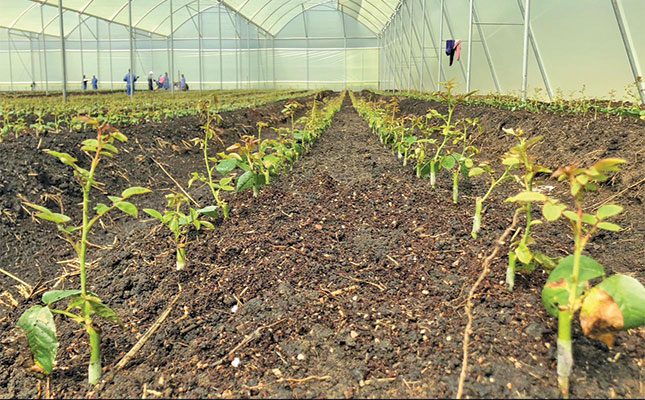
Many young entrepreneurs are utilizing social media platforms to market agricultural products, connect with buyers and access information on modern farming techniques. Others are investing in greenhouse production, aquaculture and value addition projects that generate higher profits.
The involvement of young people in agriculture is helping to challenge outdated perceptions that farming is only for older generations. Instead, agriculture is increasingly being viewed as a viable business opportunity capable of generating substantial income and creating employment.
Women have also become central figures in the Success Stories From Zimbabwean Farmers. Across the country, female farmers are making significant contributions to food production, agribusiness development and community empowerment.
Through access to training programmes, microfinance initiatives and agricultural extension services, many women have successfully expanded their farming operations. Female-led farming enterprises are contributing to household incomes while strengthening food security within communities.
Their success demonstrates the importance of empowering women within the agricultural sector and ensuring equal access to resources and opportunities.
Climate-smart agriculture is another area where Zimbabwean farmers are achieving impressive results. Faced with increasingly unpredictable weather patterns, farmers are adopting conservation agriculture, water harvesting techniques and drought-tolerant crop varieties.
These approaches are helping farmers maintain productivity while reducing vulnerability to climate-related shocks. Conservation agriculture practices such as minimum tillage, mulching and crop rotation are improving soil fertility and moisture retention, leading to more sustainable farming systems.
The adoption of technology is further enhancing agricultural productivity. Mobile applications, digital payment systems and precision farming tools are enabling farmers to make informed decisions regarding planting schedules, market prices and weather forecasts.
Access to digital information has empowered farmers to respond more effectively to changing market conditions and maximize profitability. Technology is also facilitating stronger connections between producers, buyers and financial institutions.
Government programmes, private sector investments and development partner initiatives have played an important role in supporting these success stories. Through training, financing and infrastructure development, various stakeholders are helping farmers unlock their full potential.
Agricultural extension services continue to provide valuable technical support, while contract farming arrangements have improved access to inputs and guaranteed markets for many producers.
Experts believe that continued investment in irrigation, mechanization, research and market access will further strengthen Zimbabwe’s agricultural sector. As more farmers embrace innovation and sustainable practices, the potential for growth remains enormous.
The success of Zimbabwean farmers extends beyond individual achievements. Their contributions are helping to enhance national food security, generate export earnings and support rural development. Agriculture remains one of the country’s most important economic sectors and continues to provide livelihoods for millions of Zimbabweans.
Looking ahead, the future of Zimbabwean agriculture appears increasingly promising. With continued support, innovation and investment, more farmers are expected to achieve commercial success and contribute to national development.
The numerous Success Stories From Zimbabwean Farmers serve as powerful reminders that determination, resilience and innovation can overcome challenges and create opportunities for prosperity. From irrigated fields and thriving livestock enterprises to successful horticulture projects and youth-led agribusinesses, Zimbabwe’s farmers are demonstrating that agriculture remains a key driver of economic transformation and sustainable development.