Culture & Heritage – Great Zimbabwe is one of Africa’s most extraordinary archaeological and architectural achievements, yet much about this ancient city remains unknown to the wider world.
Located near Masvingo in southeastern Zimbabwe, the sprawling stone settlement was once a major centre of political power, trade and culture in southern Africa.
Its enormous granite walls, carefully constructed without mortar, have fascinated visitors, historians and archaeologists for generations.
Recognised as a UNESCO World Heritage Site in 1986, Great Zimbabwe is far more than an impressive collection of ancient stone structures. It is evidence of the sophistication, organisation and economic strength of African societies during the medieval period.

Here are 10 things you may not know about Great Zimbabwe.
Great Zimbabwe Was a Major Medieval City
Great Zimbabwe was not simply a fortress or ceremonial site.
Archaeological evidence indicates that it was a large and complex settlement that supported a substantial population.
The city developed between approximately the 11th and 15th centuries, reaching its greatest importance during the later part of that period.
At its height, Great Zimbabwe is believed to have supported thousands of people within the settlement and surrounding areas.
The site formed part of a wider civilisation that flourished across the Zimbabwe Plateau.
Its monumental stone architecture reflected the political and economic importance of the settlement.
The Name “Zimbabwe” Comes From This Heritage
One of the most fascinating aspects of Great Zimbabwe is its connection to the modern name of the country.
The word Zimbabwe is generally understood to derive from a Shona term associated with stone houses or houses of stone.
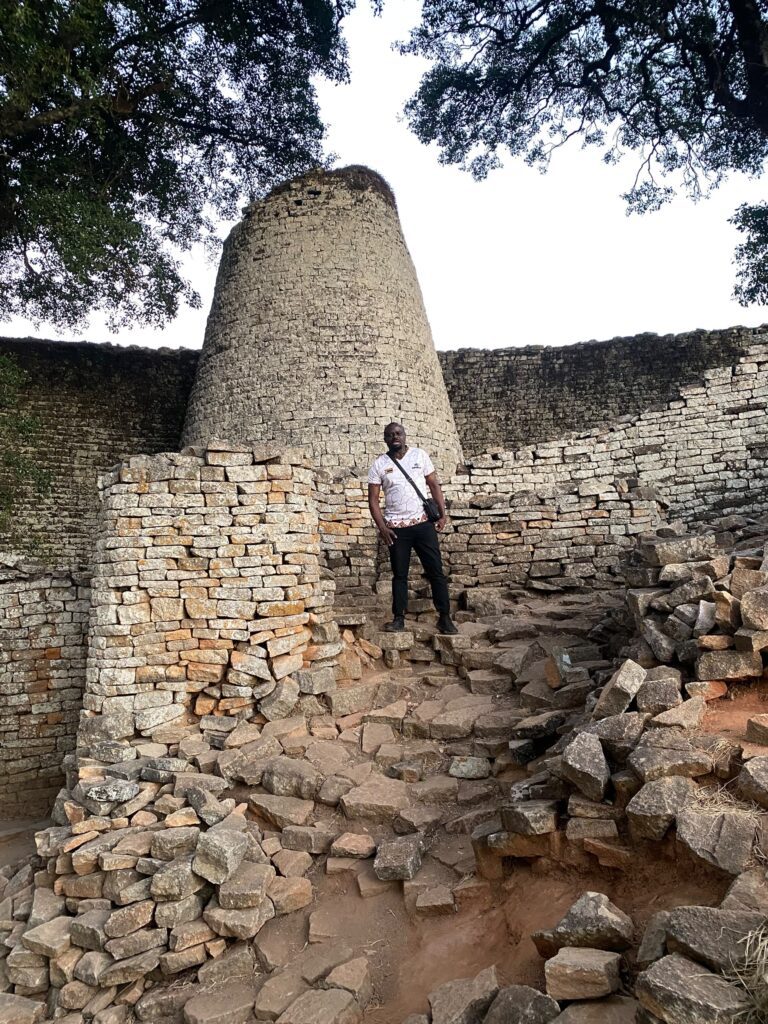
The name is particularly associated with the monumental stone architecture found at Great Zimbabwe and other ancient settlements in the region.
When the country gained independence in 1980, the name Zimbabwe was chosen as a powerful acknowledgement of the country’s African history and heritage.
The ancient city therefore does not merely sit within Zimbabwe.
It is part of the story of how modern Zimbabwe came to define itself.
The Walls Were Built Without Mortar
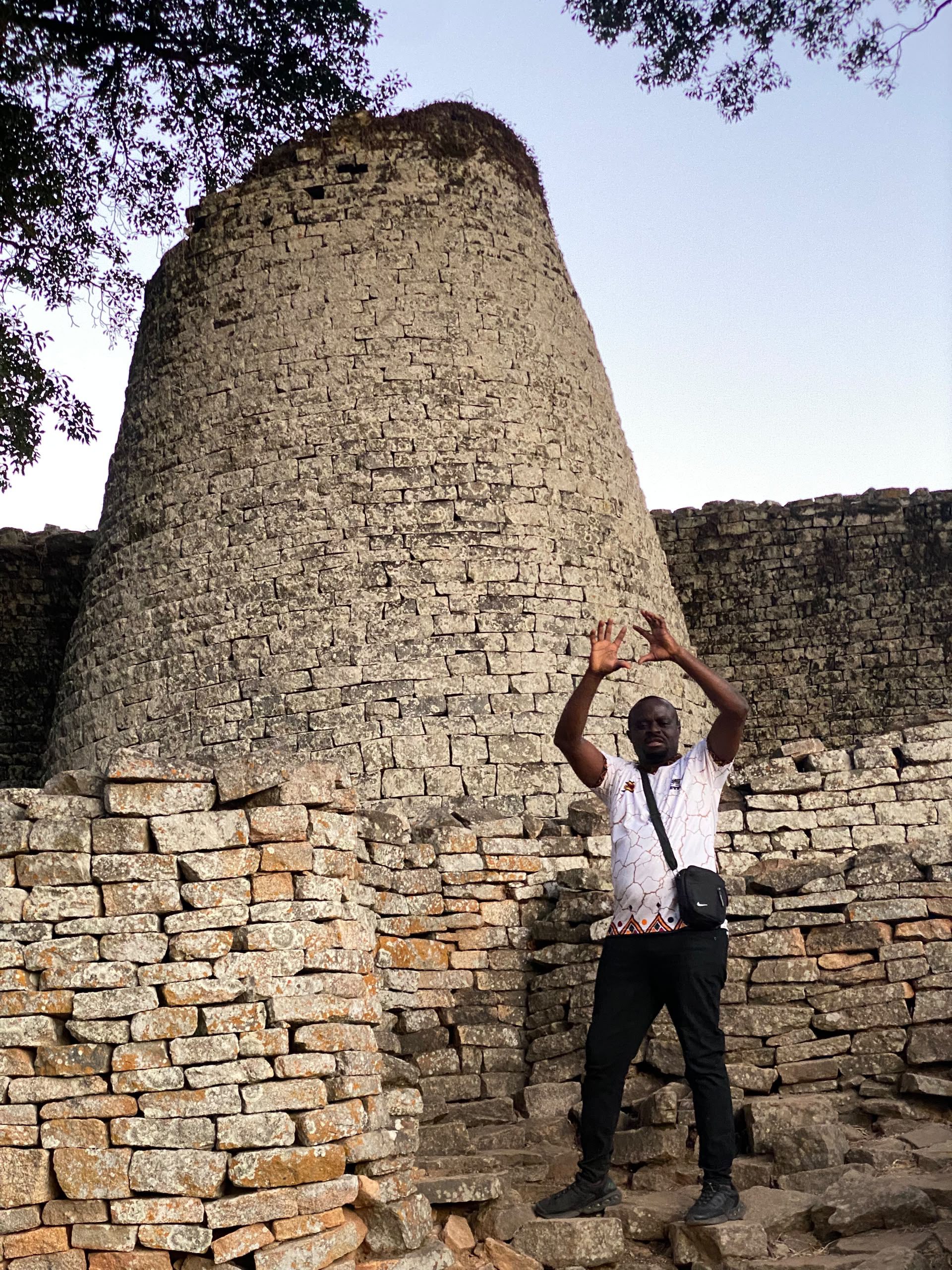
Perhaps the most visually spectacular feature of Great Zimbabwe is its stonework.
The builders constructed enormous walls from carefully shaped granite blocks without using mortar to hold them together.
Instead, the stones were precisely arranged and stacked to create remarkably stable structures.
The craftsmanship is particularly impressive considering the tools and technologies available at the time.
The Great Enclosure is perhaps the most famous example.
Its massive curved walls demonstrate an extraordinary understanding of stone construction and architectural design.
The walls have survived for centuries, standing as a physical reminder of the engineering abilities of the societies that built them.
The Great Enclosure Is One of Africa’s Most Remarkable Structures
The Great Enclosure is among the most famous structures at the archaeological site.
Its enormous curved wall and distinctive conical tower have become symbols of Great Zimbabwe itself.
The enclosure covers a substantial area and contains carefully designed architectural features.
The purpose of every part of the enclosure is still debated by researchers, although archaeological and historical evidence suggests that the site had important social, political and possibly ceremonial functions.

Its scale demonstrates that Great Zimbabwe was capable of mobilising significant amounts of labour and resources.
That alone tells us something important about the society that created it.
This was not a small settlement.
It was the product of an organised and powerful civilisation.
The Famous Zimbabwe Birds Came From Great Zimbabwe
The Zimbabwe Birds are among the country’s most recognisable national symbols.
The stone bird sculptures were discovered at Great Zimbabwe and are believed to have had important symbolic or religious significance.
Several of the original sculptures were removed from Zimbabwe during the colonial period.
Following independence, many became central symbols of the newly independent nation.
The Zimbabwe Bird now appears on the country’s national emblem, flag and currency.
Its connection to Great Zimbabwe makes it one of the most powerful surviving links between the ancient civilisation and modern Zimbabwe.
Great Zimbabwe Was Connected to International Trade
Great Zimbabwe was not isolated from the wider world.
Archaeological discoveries at the site include objects that originated from distant regions, providing evidence of extensive trade networks.
Items associated with trade include glass beads, ceramics and other materials linked to the Indian Ocean world.
These discoveries indicate that Great Zimbabwe was connected to commercial networks stretching across southern Africa towards the East African coast and beyond.
Gold and other valuable resources from the interior likely played an important role in these trading relationships.
Great Zimbabwe’s position within these networks demonstrates that medieval African societies were active participants in long distance commerce.
Gold Helped Power the Economy
The region surrounding Great Zimbabwe was rich in natural resources, including gold.
Gold production and trade are believed to have contributed significantly to the economic strength of the civilisation associated with Great Zimbabwe.
The settlement was positioned within a broader landscape that supported agriculture, livestock keeping, mining and trade.
This combination of resources allowed the society to sustain a powerful political centre.
The wealth generated through these activities helped support monumental construction and a complex social structure.
Great Zimbabwe therefore provides an important reminder that precolonial African economies could be sophisticated, productive and connected to international markets.
The Builders Were African
For centuries, colonial narratives attempted to deny the African origins of Great Zimbabwe.
Some early European writers and colonial authorities claimed that the magnificent stone structures must have been built by people from outside Africa.
Those theories have been thoroughly rejected by modern archaeological research.
The evidence demonstrates that Great Zimbabwe was built by ancestors of the region’s African populations.
The civilisation developed locally and formed part of the broader cultural traditions of southern Africa.
This history matters because Great Zimbabwe became one of the most important archaeological examples used to challenge colonial misconceptions about African history and technological achievement.
The stones themselves tell a different story.
They demonstrate what African societies were capable of achieving long before European colonial rule.
Great Zimbabwe Was Not Abandoned Because Its People “Disappeared”
Another popular misconception is that Great Zimbabwe was mysteriously abandoned and that its inhabitants simply vanished.
Archaeological evidence suggests a much more complicated story.
By the 15th century, the political and economic importance of Great Zimbabwe had declined.
Researchers have proposed several possible factors, including environmental pressures, changing trade routes, resource limitations and shifts in political power.
Population and political centres appear to have moved towards other parts of the region.
The decline of Great Zimbabwe should therefore not automatically be interpreted as the disappearance of its civilisation.
Rather, political and economic power shifted, while cultural traditions continued elsewhere.
Great Zimbabwe Is a National Symbol
Perhaps the most important fact about Great Zimbabwe is that its significance extends far beyond archaeology.
It has become one of the strongest symbols of Zimbabwean identity.
The ruins represent creativity, engineering, commerce, political organisation and cultural achievement.
For Zimbabweans, Great Zimbabwe is also a reminder that the country’s history stretches back centuries before colonial rule.
The site continues to attract researchers, students, tourists and history enthusiasts from around the world.
Its importance has also made it a central part of Zimbabwe’s cultural diplomacy and tourism industry.
The ancient city provides Zimbabwe with something no modern government can manufacture.
A tangible connection to a sophisticated African past.
Why Great Zimbabwe Still Matters Today
Great Zimbabwe challenges the world to look more closely at African history.
Its walls are silent, but they tell a powerful story.
They tell of people who understood their environment, built sophisticated structures, participated in international trade and created a society capable of supporting monumental architecture.
They also remind modern Zimbabweans that the country’s history did not begin with colonialism.
It is much older.
Much deeper.
And much more complex.
Today, Great Zimbabwe stands not simply as a collection of ruins but as a monument to African ingenuity.
Its stones have survived political changes, colonial attempts to reinterpret its origins and centuries of exposure to the elements.
They remain standing.
And perhaps that is why Great Zimbabwe continues to command such fascination.
The ancient city represents a civilisation that built with stone, traded across continents and left behind a legacy powerful enough to become the name of an entire nation.
Great Zimbabwe is not merely a place to visit. It is a story carved into stone.