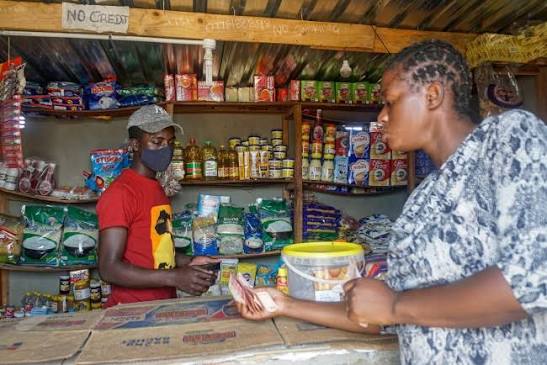
Feature – A grocery shop can be one of the most practical small businesses in Zimbabwe because it serves everyday consumer needs. People regularly buy food, household products and personal-care items, creating the possibility of repeat customers.
However, opening a shop alone does not guarantee success. Entrepreneurs need to understand their community, manage stock carefully and control operating costs.
Choose the Right Location
Location can determine whether a grocery business succeeds.
A shop located close to residential areas, transport routes, schools or busy business centres may have access to more potential customers.
Before renting or constructing premises, study the area. Identify existing shops and determine what customers are struggling to find.
Competition is not necessarily a reason to avoid an area. It can indicate that there is demand. The opportunity may be to offer better service, better stock availability or more convenient opening hours.
Start With Fast-Moving Products
New businesses should avoid tying up too much money in slow-moving stock.
Essential products can include mealie-meal, bread, cooking oil, sugar, salt, soap, washing products, beverages and other everyday goods depending on the target market.
The product mix should be determined by local demand.
Understand Pricing
Pricing requires careful calculation.
A business owner should know the purchase price, transport costs, packaging costs, taxes where applicable and other expenses before setting a selling price.
Prices should be reviewed regularly because supplier prices can change.
The goal is not simply to sell cheaply. The goal is to maintain competitive prices while preserving a sustainable margin.
Manage Stock Carefully
Poor stock management can quietly destroy a grocery business.
Products should be counted regularly. Expiry dates should be checked and older stock should be prioritised appropriately.
A basic stock record can help identify which products sell quickly and which remain on shelves.
This information helps the entrepreneur decide what to reorder.
Be Careful With Credit
Selling goods on credit can create cash-flow problems.
Although trusted customers may request credit, a business needs clear rules. If too much money is tied up in unpaid debts, the shop may struggle to buy new stock.
Written records should be maintained for any credit arrangements.
Customer Service Matters
A small shop can compete successfully through customer service.
Customers appreciate clean premises, accurate change, fair prices, polite staff and reliable stock availability.
A shop owner who remembers regular customers and understands local buying patterns can build strong relationships.
Use Digital Marketing
Even a neighbourhood grocery shop can benefit from digital platforms.
WhatsApp can be used to announce new stock, promotions and opening times. Facebook can help reach customers within the surrounding community.
For larger operations, an online ordering and delivery system may eventually become worthwhile.
Expand Carefully
Once the business becomes stable, the owner can consider adding new product lines.
Possible expansion could include household goods, bakery products, agricultural supplies, stationery or delivery services depending on location and demand.
Expansion should be based on evidence rather than excitement.
Keep Business Money Separate
One of the most important principles is separating business finances from household finances.
Record daily sales and expenses. At the end of each trading period, calculate actual profit rather than simply looking at how much cash is in the till.
A grocery business can generate substantial turnover while producing surprisingly little profit if costs are not controlled.
Build a Business That Can Survive
The strongest grocery businesses are not necessarily the largest. They are businesses that understand their customers, maintain stock, control costs and provide consistent service.
Start with a clear plan, understand the market and grow gradually.
With disciplined management, a grocery shop can become more than a source of daily income. It can develop into a sustainable family business and eventually support additional branches or related enterprises.