Feature – Zimbabwe’s entrepreneurial spirit remains one of the country’s greatest economic strengths. From informal traders and farmers to technology entrepreneurs and small manufacturers, thousands of Zimbabweans are creating businesses around everyday needs.
For anyone looking for small business ideas in Zimbabwe, the most important principle is simple: start with a problem that people need solved. A successful business does not necessarily require a large building, expensive equipment or huge capital. It requires demand, discipline, good customer service and careful financial management.
1. Poultry Farming
Chicken production remains an attractive opportunity because households, restaurants, butcheries and retailers need chicken throughout the year. Entrepreneurs can start with broilers on a small scale before expanding production.
2. Vegetable Farming
Leafy vegetables, tomatoes, onions, cabbages and other vegetables can generate income from relatively small pieces of land. Farmers close to urban markets have an additional advantage because transportation distances can be reduced.
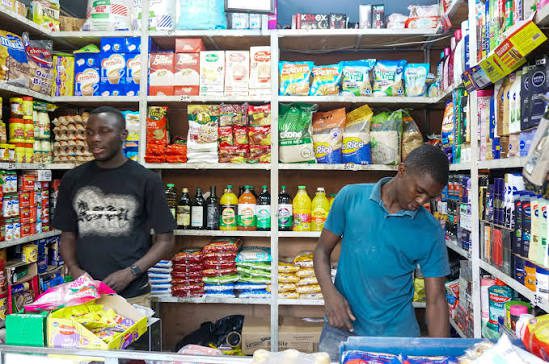
3. Grocery Shop
A small grocery business can focus on essential products such as cooking oil, mealie-meal, sugar, bread, soap and beverages. Location and stock management are critical.
4. Mobile Money and Financial Services
Mobile financial services have become part of everyday life. A properly managed agency or related service can benefit from regular customer traffic.
5. Hair Salon or Barbershop
Personal grooming is a recurring need. A clean, professionally managed salon or barbershop can build a loyal customer base.
6. Food Business
Selling cooked food, snacks, baked products, samoosas, sausage rolls and other convenient foods can be profitable when quality and hygiene are maintained.
7. Transport Services
Entrepreneurs can explore passenger transport, courier services, school transport, delivery services or goods transportation depending on licensing requirements and available capital.
8. Building Materials
Construction creates demand for products such as bricks, cement, sand, roofing materials and plumbing supplies. Entrepreneurs can begin as retailers or distributors before moving into manufacturing.
9. Brick Manufacturing
With access to suitable materials, land, water and reliable production methods, brickmaking can supply construction projects in growing communities.
10. Poultry Feed Distribution
Farmers constantly require feed. Rather than producing feed, a small entrepreneur can establish a distribution business serving local poultry producers.
11. Clothing Business
Second-hand clothing, locally produced garments and specialised clothing can all create opportunities. Understanding the target market is more important than simply buying large quantities of stock.
12. Digital Marketing
Small companies increasingly need help with Facebook pages, TikTok, websites, graphic design, photography and online advertising.
13. Printing Services
Printing business cards, flyers, programmes, invitations, posters and school materials can provide recurring income.
14. Cleaning Services
Residential, commercial and institutional cleaning services can be started with basic equipment and expanded by employing additional workers.
15. Car Wash
A well-positioned car wash can attract customers in busy residential and commercial areas. Additional services such as interior cleaning can increase revenue.
16. Hardware Business
Hardware shops benefit from construction, renovations and maintenance. Entrepreneurs can begin with fast-moving products before expanding their range.
17. Agribusiness
There are opportunities beyond farming itself, including seed distribution, agricultural equipment, transport, packaging, storage and produce marketing.
18. Baking Business
Cakes, bread, muffins, cupcakes and other baked products can be sold directly to consumers, schools, businesses and events.
19. Water Distribution
Where demand exists, entrepreneurs can explore lawful water-related businesses, including bottled water, delivery and purification services subject to applicable standards.
20. Phone Accessories
Chargers, cases, screen protectors, earphones and other accessories have a large potential market because mobile phones are widely used.
21. Solar Products
Solar lights, backup systems and related products can serve households and businesses seeking alternative energy solutions.
22. Laundry Services
Professional laundry services can target busy households, students, lodges, restaurants and businesses.
23. Tourism Services
Zimbabwe’s tourism industry creates opportunities in accommodation, guiding, transport, crafts, food, photography and travel-related services.
24. Online Retail
Entrepreneurs can sell products through social media, websites and messaging platforms without necessarily operating a large physical shop.
25. Skills-Based Services
Carpentry, welding, plumbing, electrical work, painting and construction services can become highly sustainable businesses when backed by quality workmanship.
Start Small and Build Carefully
The biggest mistake many entrepreneurs make is trying to look successful before becoming profitable. A business should first establish reliable customers, control costs and generate consistent cash flow.
Keep proper records of sales, expenses, stock and debts. Separate business money from personal spending wherever possible.
Zimbabwe has numerous business opportunities, but success depends on execution. The best opportunity is often not the most fashionable business. It is the one where an entrepreneur understands the customers, controls costs and consistently delivers value.
ok