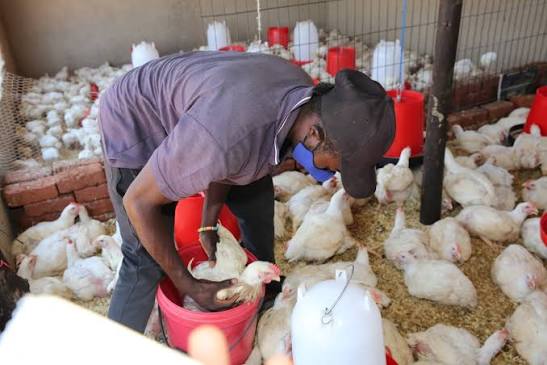
Feature – Poultry farming is one of the agricultural businesses that can be started on a relatively small scale and expanded over time. For Zimbabweans looking for an income-generating agricultural project, poultry farming can provide opportunities in meat production, egg production and breeding.
However, poultry farming should be treated as a business rather than simply keeping chickens. Proper planning, feeding, hygiene, housing and marketing can make the difference between profit and loss.
Choose Your Poultry Business Model
The first decision is whether to produce broilers, layers or breeding stock.
Broilers are chickens raised primarily for meat. They grow relatively quickly and can provide a faster production cycle.
Layers are kept for egg production. This model requires patience and longer-term management but can provide recurring income through egg sales.
A farmer should choose a model based on available capital, market demand and management capacity.
Start With a Realistic Number
New farmers often make the mistake of buying more birds than they can manage.
Starting with a manageable flock allows the farmer to learn about feeding, vaccination, disease prevention, record keeping and marketing without exposing large amounts of capital to risk.
Once the system works, production can be increased gradually.
Build Suitable Housing
Poultry housing should protect birds from extreme weather, predators and unnecessary disease exposure.
The building should have adequate ventilation while protecting birds from cold drafts. Clean water should be readily available and the floor should be kept dry.
Overcrowding should be avoided because it can increase stress, disease risks and competition for feed and water.
Feeding Is Critical
Feed is one of the biggest costs in poultry production. Farmers should therefore understand the nutritional requirements of their birds and avoid unnecessary wastage.
Clean drinking water should be available consistently.
Feeders and drinkers should be cleaned regularly. Spilled feed can attract pests and contribute to hygiene problems.
Disease Prevention
Disease can destroy a flock quickly, making prevention one of the most important parts of poultry management.
Farmers should follow appropriate vaccination programmes and seek advice from qualified veterinary professionals or agricultural extension officers.
New birds should be managed carefully to reduce the possibility of introducing disease to an existing flock.
Visitors and unnecessary movement around poultry houses should also be controlled.
Keep Production Records
A serious poultry farmer should record the number of birds purchased, feed consumption, mortality, medication and vaccinations, sales and other expenses.
These records help determine whether the business is actually making money.
For example, a farmer may sell many chickens and assume the business is profitable, while hidden costs such as feed, transport, electricity and losses may significantly reduce the final profit.
Know Your Market Before Producing
Marketing should begin before chickens are ready for sale.
Potential customers include households, restaurants, butcheries, supermarkets, catering companies and informal traders, depending on applicable regulations.
Farmers can also develop direct customer networks through WhatsApp and other social platforms.
Add Value
A poultry business can eventually expand beyond selling live birds.
Depending on facilities, regulations and food-safety requirements, entrepreneurs may explore dressed chicken, eggs, manure, breeding stock or other poultry-related products.
Reinvest the Profits
One of the best ways to grow an agricultural business is to reinvest part of its profits.
Instead of spending all earnings, farmers can gradually increase flock size, improve housing, purchase equipment or develop additional income streams.
Poultry Farming Requires Discipline
Poultry farming is not completely risk-free. Feed prices, disease, mortality, market prices and operational costs can affect profitability.
Nevertheless, farmers who plan carefully, maintain hygiene, keep accurate records and understand their market can create sustainable poultry enterprises.
The key is to start at a manageable scale, learn continuously and expand based on actual results rather than assumptions.