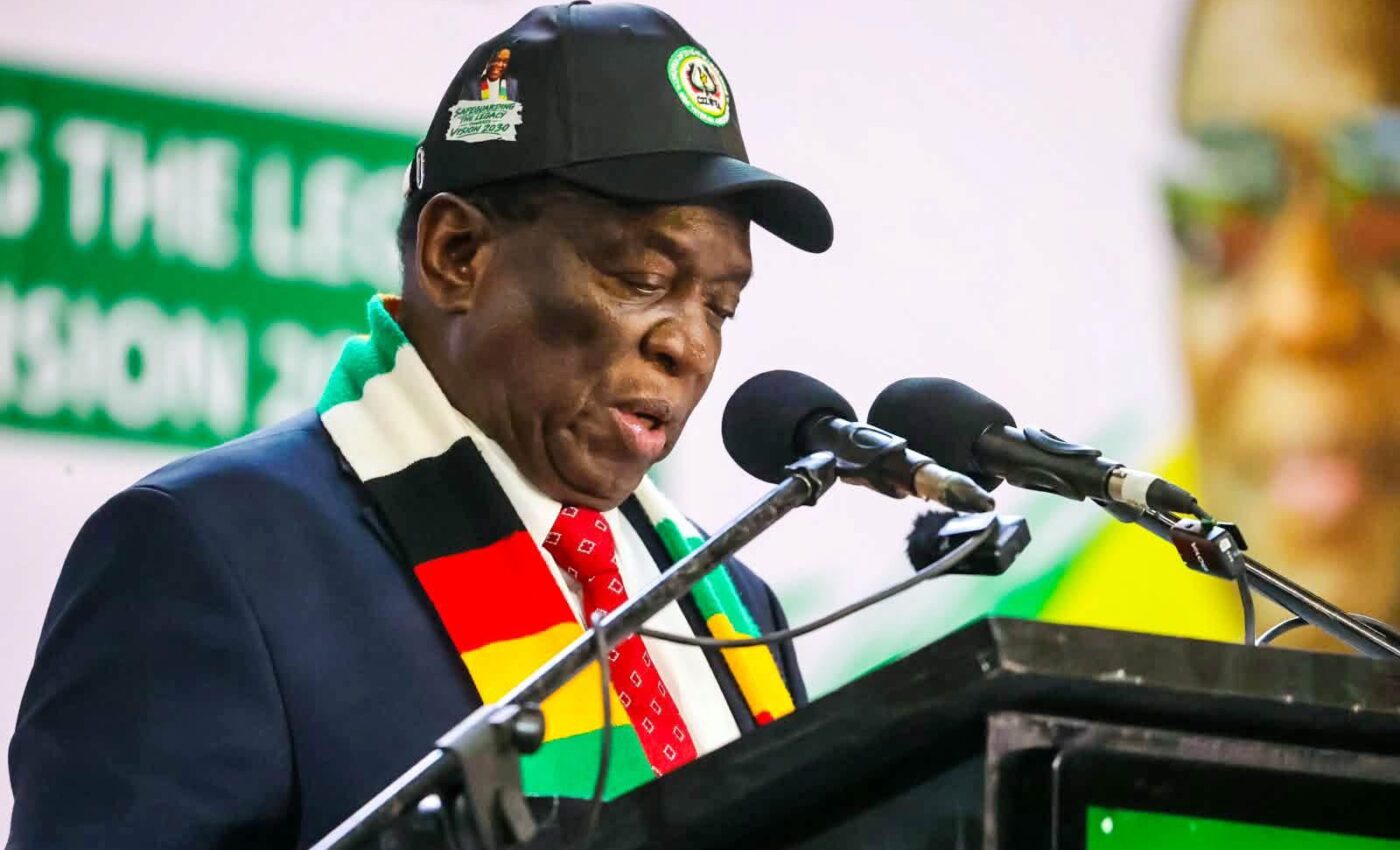
HICC, Harare – His Excellency the President Dr. Emmerson Dambudzo Mnangagwa presided over the inaugural Presidential Interface with Children of Veterans of the Liberation Struggle at the Harare International Conference Centre, bringing together descendants of Zimbabwe’s liberation war veterans for an engagement focused on preserving the country’s liberation history while expanding opportunities for economic participation.
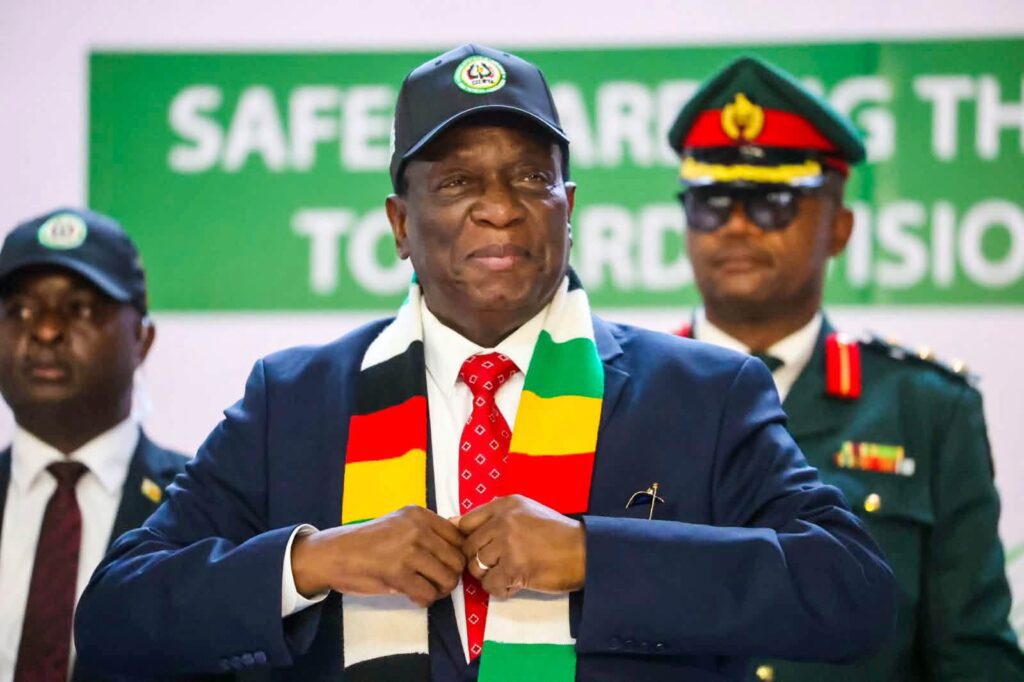
Held under the theme “Safeguarding the Legacy, Towards Vision 2030,” the landmark engagement placed the historical contribution of Zimbabwe’s liberation generation alongside the responsibility of succeeding generations to contribute meaningfully to national development.
President Mnangagwa said the interface was a reflection of the country’s continuing commitment to protecting its history while creating opportunities for the descendants of liberation war veterans to participate actively in Zimbabwe’s economic transformation.
“Our independence was won through sacrifice; its legacy will be preserved through economic empowerment,” President Mnangagwa said.
During the engagement, the President toured several exhibition stands and interacted with exhibitors showcasing different initiatives and projects.
Among those represented were the Zimbabwe National Army, the Zimbabwe Prisons and Correctional Services, as well as various innovative empowerment projects spearheaded by the children of veterans of the liberation struggle.
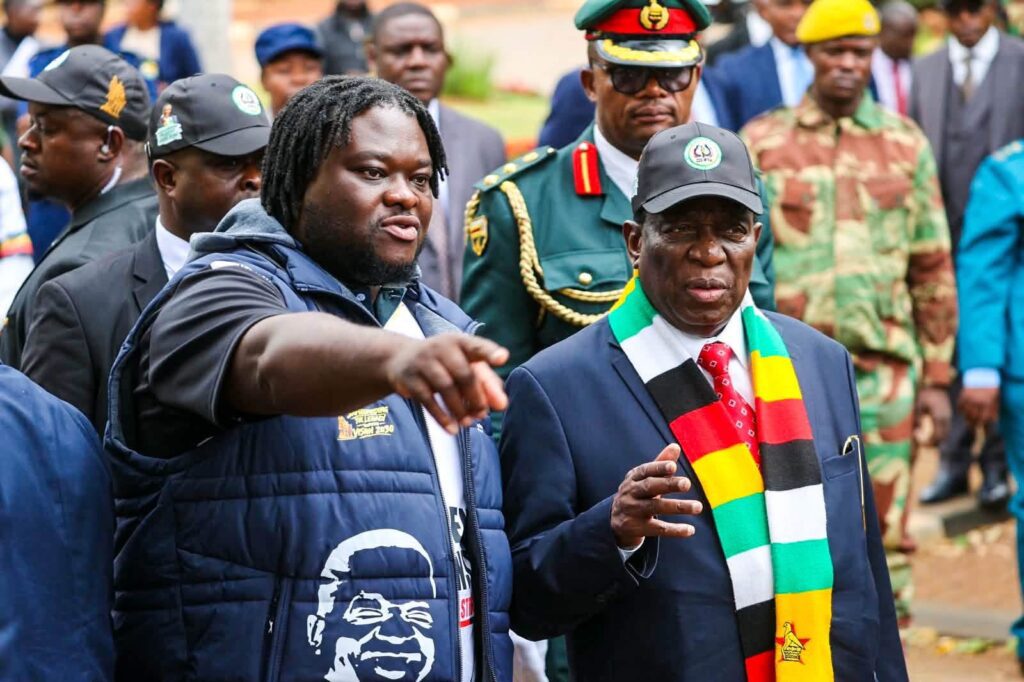
The exhibitions provided an opportunity for participants to demonstrate their skills, enterprises and initiatives while highlighting the contribution of the descendants of Zimbabwe’s liberation generation to the country’s development.
The engagement also placed particular emphasis on the need for the children of liberation war veterans to move beyond being passive beneficiaries of the country’s history and become active participants and leading contributors to national development.
President Mnangagwa said the objective was to ensure that the descendants of the country’s liberation heroes are equipped to participate meaningfully in the economic development of Zimbabwe.
A major highlight of the interface was the commissioning of trucks and tractors as part of a targeted empowerment initiative.
The productive assets are intended to support economic activities and provide beneficiaries with practical tools that can be deployed in areas such as agriculture, transportation and other productive enterprises.
The commissioning of the equipment added a practical dimension to the interface, demonstrating the emphasis being placed on transforming empowerment programmes into tangible economic opportunities.
Agriculture remains an important component of Zimbabwe’s economic development strategy, and access to agricultural machinery can enhance productive capacity while creating opportunities for beneficiaries to establish or expand enterprises.
The interface also comes against the background of Zimbabwe’s constitutional recognition of the contribution made by veterans of the liberation struggle.
Section 23 of the Constitution provides for due respect, honour and recognition of veterans of the liberation struggle and requires the State to take reasonable measures for their welfare and economic empowerment.
The Veterans of the Liberation Struggle Act further provides a legal framework for addressing issues relating to veterans and certain dependants.
The focus on the children of veterans adds an intergenerational dimension to this national responsibility, particularly as Zimbabwe moves further away from the period of the liberation struggle.
The children and descendants of those who participated in the liberation struggle are increasingly being called upon to preserve the historical memory of the struggle while contributing to the country’s economic and social development.
The theme of the engagement, “Safeguarding the Legacy, Towards Vision 2030,” connects this responsibility with Zimbabwe’s broader national development aspirations.
Vision 2030 seeks to transform Zimbabwe into an empowered and prosperous upper middle income society, with national development programmes focused on economic growth, productivity, investment, infrastructure development and improved livelihoods.
Within that broader framework, the empowerment of the children of liberation war veterans represents an effort to connect historical recognition with economic participation.
The approach places greater emphasis on entrepreneurship, productive enterprise, agriculture, skills development and access to productive assets.
The commissioning of trucks and tractors is therefore significant because it provides beneficiaries with equipment that can potentially generate income, support businesses, create employment and contribute to increased production.
The effectiveness of such initiatives will ultimately depend on how sustainably the assets are utilised and whether they translate into productive enterprises and measurable economic benefits for beneficiaries and communities.
The Presidential Interface also demonstrated the changing nature of Zimbabwe’s liberation legacy.
While remembering and honouring those who fought for independence remains important, the responsibility of succeeding generations is to ensure that the gains of independence are translated into sustainable development and improved opportunities.
For the children of liberation war veterans, this means participating actively in the economy and contributing to the development of their communities and the country as a whole.
The engagement at HICC brought together historical remembrance, intergenerational responsibility and economic empowerment in a single national conversation.
From the exhibition stands featuring the Zimbabwe National Army and Zimbabwe Prisons and Correctional Services to the empowerment initiatives showcased by the children of veterans, the event highlighted the diverse ways in which the liberation legacy continues to intersect with Zimbabwe’s present development agenda.
The commissioning of trucks and tractors further reinforced the message that empowerment must increasingly be connected to productive economic activity.
As Zimbabwe continues its journey towards Vision 2030, the preservation of the liberation legacy is being linked to the responsibility of building a prosperous future.
For President Mnangagwa, the sacrifices made during the liberation struggle secured Zimbabwe’s independence, while the responsibility of the present generation is to protect that legacy by creating opportunities, expanding production and contributing to national development.
“Together, we are safeguarding our heritage and driving forward toward Vision 2030,” President Mnangagwa said.