Arts & Leisure – The National Arts Council Amendment Bill has moved a significant step forward following Cabinet’s approval of its principles, paving the way for proposed reforms aimed at modernising Zimbabwe’s cultural and creative industries and aligning the country’s regulatory framework with the realities of a rapidly changing global creative economy.
The development was announced during the 37th Post-Cabinet Media Briefing following the Cabinet meeting held yesterday and chaired by President Dr Emmerson Dambudzo Mnangagwa.
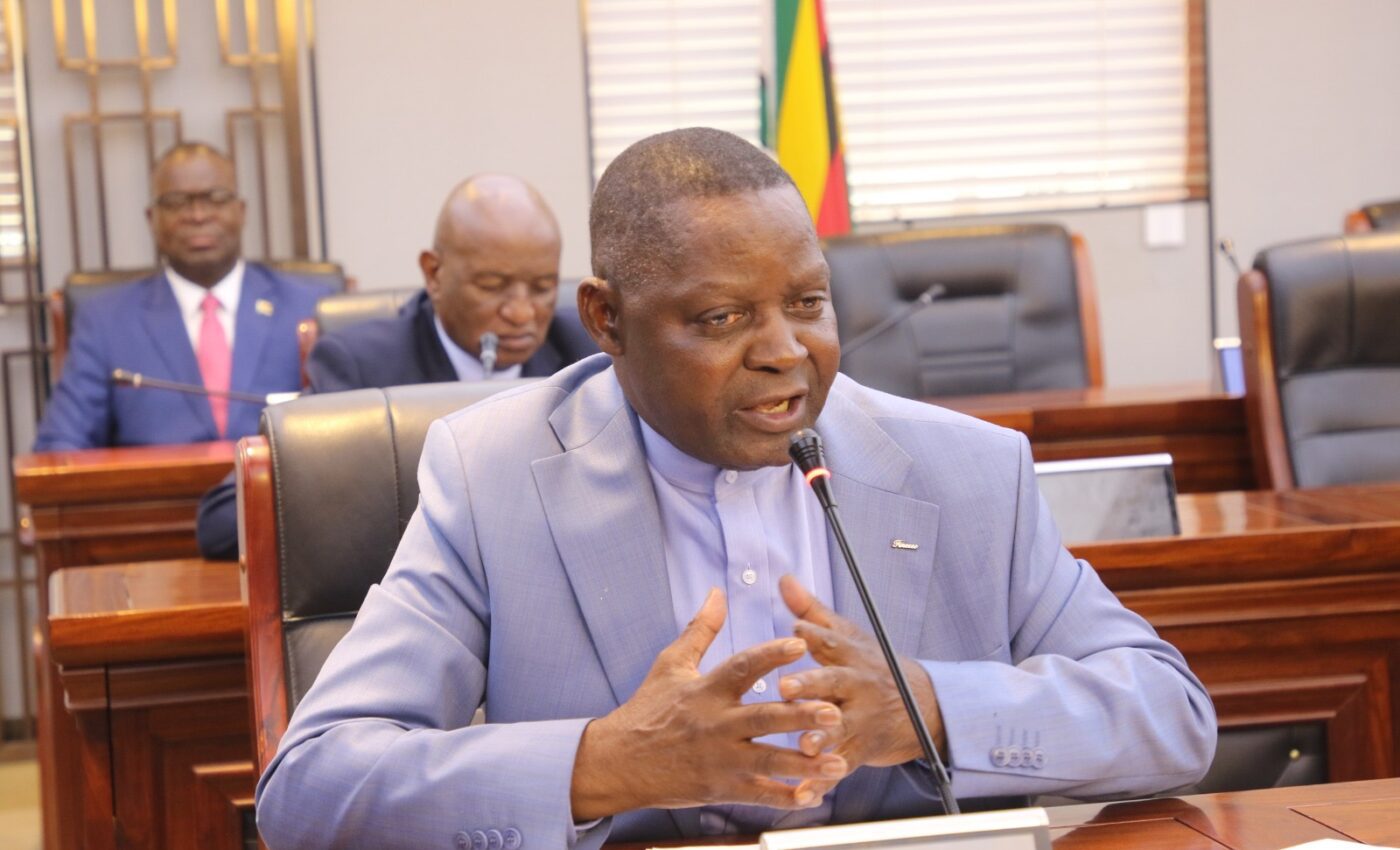
The principles of the National Arts Council of Zimbabwe Amendment Bill, 2026, were presented by the Minister of Sport, Recreation, Arts and Culture, Lieutenant-General (Retired) Ambassador Anselem Nhamo Sanyatwe, and subsequently received and approved by Cabinet.
The proposed legislative reforms represent an important policy development for Zimbabwe’s arts and cultural sector, which has undergone considerable transformation since the establishment of the National Arts Council of Zimbabwe Act in 1985. Over the past four decades, the creative sector has expanded beyond conventional artistic disciplines into a diverse commercial ecosystem driven by technology, digital distribution, innovation and international cultural exchange.
The National Arts Council Amendment Bill seeks to respond to evolving global socioeconomic conditions, technological advancements and emerging business models in digital content creation. Its underlying objective is to ensure that legislation governing Zimbabwe’s cultural and creative industries remains relevant to the changing demands of artists, entrepreneurs, producers, investors and other participants in the sector.
When the original National Arts Council legislation was established in 1985, the creative economy operated within a substantially different environment. Traditional artistic disciplines, including music, dance, theatre, visual arts, literature and cultural performances, formed much of the recognised institutional landscape. However, technological developments have fundamentally transformed how creative products are produced, distributed, marketed and consumed.
Today, the creative industries encompass digital media production, online entertainment, streaming platforms, gaming, animation, film, fashion, creative technology and international trade in cultural goods and services. These developments have created new opportunities for Zimbabwean creatives to reach audiences beyond national borders while establishing businesses around their artistic and intellectual contributions.
The proposed amendments therefore seek to align the regulatory environment governing the National Arts Council of Zimbabwe with contemporary creative industry value chains. This is particularly important as Zimbabwe seeks to strengthen the contribution of arts, culture and creative enterprises to economic growth, employment creation, entrepreneurship and national development.
One of the central considerations highlighted in the proposed reforms is corporate governance. As the creative economy becomes increasingly commercialised, institutions responsible for regulating, supporting and promoting the sector must operate within frameworks that encourage transparency, accountability, institutional effectiveness and sustainable development.
Strengthening corporate governance within the National Arts Council framework could provide an important foundation for improving confidence among creative practitioners, business partners, investors and other stakeholders. Effective institutional governance is essential for ensuring that policies and programmes respond to the needs of the industry while supporting the responsible management of resources and opportunities.
Another important dimension of the National Arts Council Amendment Bill is the protection of intellectual property rights. For many creative practitioners, intellectual property represents the foundation of their economic livelihood. Music compositions, films, photographs, paintings, sculptures, fashion designs, literary works and digital productions carry both cultural and commercial value.
As creative products increasingly circulate through digital platforms, questions surrounding ownership, licensing, reproduction, distribution and commercial exploitation have become more significant. Artists and content creators require an environment that recognises their ownership rights and provides appropriate mechanisms for protecting their work.
Improved intellectual property protection could help Zimbabwean creatives benefit more effectively from the commercial value generated by their productions. It could also encourage investment in professional creative enterprises by establishing greater confidence around ownership, rights management and the commercialisation of artistic products.
The digital economy has also introduced new categories of creative businesses that were not prominent when the original legislation was enacted. Content creators, online publishers, animation studios, gaming developers, digital filmmakers and independent production companies are increasingly contributing to the creative landscape.
These emerging enterprises require regulatory frameworks that recognise their activities and support their participation in the formal economy. The proposed reforms therefore provide an opportunity to consider how Zimbabwe’s cultural institutions can adapt to new forms of creativity without undermining the country’s traditional artistic expressions and cultural identity.
The development also comes at an important moment in Zimbabwe’s broader economic transformation agenda. Under National Development Strategy 2 (NDS2), covering the 2026 to 2030 period, Government has identified the development of cultural and creative industries as an important component of employment creation, youth empowerment, entrepreneurship and inclusive economic growth.
President Mnangagwa’s Vision 2030 agenda places emphasis on transforming Zimbabwe into an empowered and prosperous upper-middle-income society. Within this national development framework, the creative economy has the potential to become an important contributor through investment, innovation, enterprise development and the commercialisation of locally produced cultural goods and services.
The National Arts Council Amendment Bill could therefore support wider national objectives by creating a more responsive institutional and regulatory environment for creative businesses and professionals.
The commercial potential of Zimbabwe’s creative industries extends across several interconnected sectors. Music production supports recording studios, sound engineers, event organisers, promoters, photographers and digital marketers. Film and television production create opportunities for actors, directors, scriptwriters, camera operators, editors, production companies and distribution businesses.
Fashion and design similarly provide opportunities for manufacturers, textile producers, retailers, models, photographers and entrepreneurs. Visual arts and cultural heritage can contribute to tourism, exhibitions, international collaborations, education and the development of creative destinations.
Zimbabwe’s artistic heritage provides a strong foundation upon which these opportunities can be developed. The country’s internationally recognised stone sculpture tradition, contemporary visual arts, music, dance, traditional craftsmanship and cultural expressions remain important elements of its national identity and international image.
The National Gallery of Zimbabwe, the National Arts Council of Zimbabwe and other cultural institutions have important roles to play in nurturing this ecosystem. Their work in supporting artists, preserving heritage, promoting exhibitions, facilitating cultural exchange and developing professional opportunities contributes to the broader development of the sector.
Zimbabwe’s growing international cultural engagement also demonstrates the importance of strengthening institutional capacity. The country’s preparations to host the 58th Annual Conference of the International Committee for Museums and Collections of Modern Art (CIMAM 2026) in Harare from November 20 to 22 provide an important opportunity to showcase Zimbabwean artistic heritage and strengthen international relationships within the contemporary arts sector.
Such engagements demonstrate that the creative economy is not confined to domestic cultural activities. It is increasingly connected to international markets, tourism, cultural diplomacy, professional networks and global creative exchanges.
The proposed legislative reforms could help create a stronger foundation for Zimbabwean creative practitioners to participate in these opportunities while protecting their cultural and economic interests.
However, the success of the proposed amendments will ultimately depend on how the principles are translated into legislation and implemented in practice. Cabinet’s approval of the principles represents an important stage in the legislative process, but it should not be confused with the enactment of the completed Amendment Bill.
As the process advances, consultations and engagement with relevant stakeholders will be important in ensuring that the proposed framework reflects the experiences and expectations of the people working within the creative economy.
Artists, musicians, filmmakers, cultural organisations, fashion designers, publishers, digital content creators, intellectual property professionals and industry associations all have a stake in the future regulatory environment.
The implementation of any new framework will also need to consider the circumstances of emerging and independent creatives, particularly young people and practitioners operating outside major urban centres. Ensuring that opportunities are accessible across Zimbabwe’s provinces will be essential in building an inclusive national creative economy.
For many artists, the challenge has historically extended beyond producing creative work to accessing markets, financing, infrastructure, professional training and reliable mechanisms for protecting their intellectual property. Modernising legislation presents an opportunity to address some of these institutional challenges while creating an environment that encourages innovation and commercial participation.
The National Arts Council Amendment Bill therefore represents more than an administrative update. It signals recognition that Zimbabwe’s cultural and creative industries have evolved into a sector with significant economic potential, requiring modern institutions and regulatory arrangements capable of supporting its continued development.
As Zimbabwe advances towards Vision 2030 under the leadership of President Dr Emmerson Dambudzo Mnangagwa, the modernisation of the country’s cultural and creative sector will be important in ensuring that artistic talent is translated into sustainable livelihoods, business opportunities, employment and international recognition.
Cabinet’s approval of the principles marks the beginning of an important legislative process. The next challenge will be to translate the proposed reforms into a practical framework that protects creators, strengthens institutions, attracts investment and enables Zimbabwe’s creative economy to compete confidently in an increasingly digital and interconnected world.