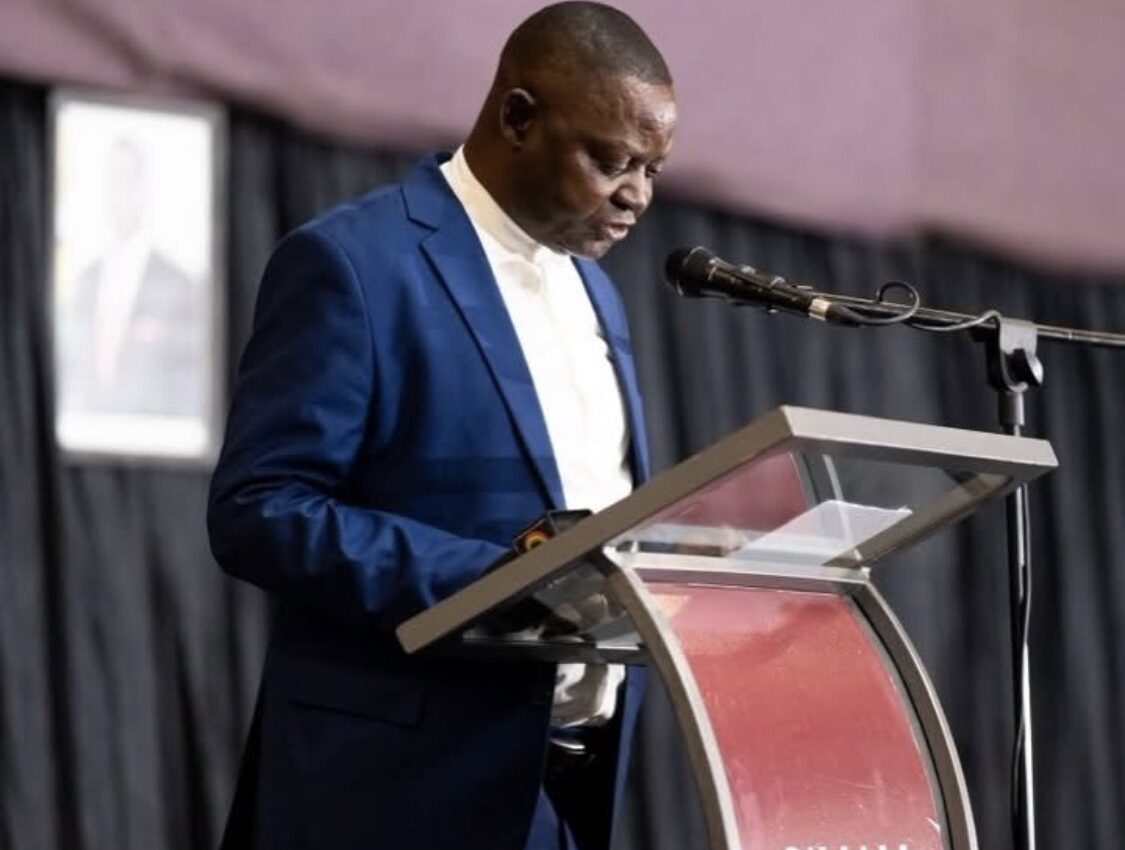
HARARE, Zimbabwe – His Excellency the President Dr. Emmerson Dambudzo Mnangagwa Opened CIMAM 2026, marking a historic milestone in Zimbabwe’s cultural and diplomatic engagement as the country welcomes the international museum and contemporary art community for the 58th Annual Conference of the International Committee for Museums and Collections of Modern Art (CIMAM).
The conference was officially opened on Friday, November 20, at the Harare International Conference Centre (HICC), with the President’s opening address delivered on his behalf by the Minister of Sport, Recreation, Arts and Culture, Hon. Lt. Gen. (Rtd) Amb. Anselem Nhamo Sanyatwe.
The landmark gathering brings together international museum directors, curators, researchers, artists, cultural administrators and other distinguished professionals from different parts of the world to deliberate on the future of museums, the preservation of cultural heritage and the evolving role of contemporary art institutions in society.
Zimbabwe’s successful hosting of the conference represents a significant achievement for the country’s cultural sector, particularly as this is the first time in CIMAM’s 64-year history that its annual conference is being held on African soil.
The historic occasion places Zimbabwe at the centre of international conversations about museums, artistic expression, cultural identity, institutional development and the preservation of humanity’s diverse cultural heritage.
In his address, President Mnangagwa underscored the importance of museums as essential institutions in preserving the collective memory, intellectual heritage and creative identity of nations.
He challenged the conventional understanding of museums as simply buildings that house historical objects and artworks, emphasising their broader responsibility in shaping societies, educating communities and safeguarding the cultural foundations upon which future generations build their identities.
The President highlighted that museums must remain relevant in a rapidly changing world characterised by technological advancement, environmental challenges, changing social relationships and the growing influence of digital communication.
He observed that cultural institutions have an important responsibility to preserve the richness of human experiences while creating opportunities for innovation, knowledge exchange and meaningful engagement between generations.
The conference is being held under the theme, “Museums Beyond Limits: Imagining Repair Across Cultures, Ecologies and Knowledges.”
The theme provides an important platform for examining how museums can move beyond traditional institutional boundaries and embrace approaches that recognise cultural diversity, indigenous knowledge systems, environmental sustainability and the interconnectedness of societies.
President Mnangagwa commended CIMAM for selecting Zimbabwe to host the prestigious international conference, recognising the importance of the partnership between the organisation, the National Gallery of Zimbabwe and the country’s wider cultural community.
The hosting arrangement demonstrates growing international recognition of Zimbabwe’s cultural institutions and provides an opportunity for the country to contribute meaningfully to the development of global museum practices.
The President also highlighted the historical relationship between CIMAM and the National Gallery of Zimbabwe, noting the significance of the international organisation’s establishment in 1962 and the country’s own longstanding contribution to the development of modern and contemporary art.
Established in 1957, the National Gallery of Zimbabwe has played a central role in collecting, preserving, exhibiting and promoting Zimbabwean and international visual art.
Over the decades, the institution has provided a platform for generations of artists while helping introduce Zimbabwe’s artistic traditions to international audiences.
Through its exhibitions, educational programmes, professional partnerships and conservation initiatives, the Gallery continues to contribute to the preservation of the country’s artistic heritage.
The President’s address further emphasised the importance of strengthening the institutional capacity of Zimbabwe’s cultural organisations and ensuring that they remain connected to international professional networks.
He called for continued support towards the National Gallery of Zimbabwe and its international engagement, recognising that participation in global cultural platforms can create opportunities for professional development, institutional partnerships and the exchange of knowledge.
The significance of such engagements extends beyond the preservation of artworks. Museums increasingly contribute to education, tourism, research, employment creation and the development of the creative economy.
For Zimbabwe, hosting CIMAM 2026 presents an opportunity to strengthen the country’s cultural diplomacy while showcasing its artistic heritage and creative potential to an influential international audience.
The conference also comes at an important time as Government continues to pursue national development priorities under the National Development Strategy 2, with growing recognition of the contribution that sport, recreation, arts and culture can make towards economic growth and national development.
The creative and cultural industries have considerable potential to generate employment, attract investment, promote entrepreneurship and expand opportunities for artists, designers, sculptors, cultural practitioners and other creative professionals.
By bringing together international decision-makers in the museum and contemporary art sector, CIMAM 2026 creates opportunities for Zimbabwean institutions and artists to establish professional relationships that could translate into future collaborations, exhibitions and institutional partnerships.
The opening ceremony also highlighted the importance of the National Gallery of Zimbabwe in positioning the country within international contemporary art discussions.
The Gallery, under the leadership of its Executive Director, Mr Raphael Chikukwa, has been instrumental in securing and coordinating the historic gathering, working alongside the Ministry of Sport, Recreation, Arts and Culture and international partners.
The conference has been supported by various institutions and organisations whose contributions have helped bring the international event to Zimbabwe.
CIMAM President Ms Amanda de la Garza and the organisation’s leadership have also played an important role in facilitating the gathering, which seeks to broaden international perspectives on museum development and contemporary artistic practices.
The President encouraged international delegates to experience Zimbabwe beyond the formal conference proceedings, appreciating the country’s cultural heritage, artistic talent, tourism attractions, traditional cuisine and renowned hospitality.
The message reinforces Zimbabwe’s broader engagement and re-engagement agenda, which seeks to strengthen international relationships through cooperation, mutual respect and partnerships.
For delegates arriving from different parts of the world, the conference provides an opportunity to experience Zimbabwe’s cultural identity first-hand while engaging with local artists, institutions and communities.
The programme includes curated visits to various creative spaces and cultural institutions in Harare, providing international participants with an opportunity to explore the country’s contemporary artistic environment.
Among the destinations featured in the programme are Chitungwiza Art Centre, Mbare Art Space, Animal Farm Artist Residency, the National Museum of Human Sciences and other creative establishments.
These visits are intended to complement the formal conference discussions by exposing delegates to the diversity of Zimbabwe’s artistic practices, creative communities and cultural institutions.
The conference also provides an important opportunity to promote Zimbabwe’s visual arts and contemporary artistic expression to an international audience.
Two major exhibitions, “A View to a Horizon: From Henry Munyaradzi to Andrea Piazza” and “Connecting Elements”, are among the significant cultural presentations associated with the gathering. The exhibitions are scheduled to open at the National Gallery of Zimbabwe on November 21.
Their presentation provides another opportunity to showcase Zimbabwe’s artistic heritage while creating conversations between African and international artistic traditions.
The 58th CIMAM Annual Conference runs from November 20 to 22, 2026, with its programme structured around three interconnected themes: Good Museum Practice, Tools of Transformation and Radical Hospitality.
Together, these themes challenge museums to reconsider their institutional responsibilities, embrace innovation and develop more inclusive approaches to cultural preservation and public engagement.
The discussions are particularly relevant to African museums, many of which continue to navigate questions surrounding the preservation of indigenous knowledge, the interpretation of colonial histories, the restitution of cultural objects and the representation of African artistic experiences within international institutions.
For Zimbabwe, these conversations provide an opportunity to contribute perspectives informed by its own history, artistic traditions and cultural experiences.
The successful opening of CIMAM 2026 is therefore more than an international conference milestone. It represents an opportunity for Zimbabwe to strengthen its position in global cultural affairs while demonstrating the importance of African institutions in shaping the future of museums and contemporary art.
As the international delegates continue their engagements in Harare, attention will increasingly turn towards the practical outcomes of the gathering, particularly opportunities for collaboration, institutional development, knowledge exchange and greater international visibility for Zimbabwean artists.
The historic hosting of CIMAM 2026 reinforces the importance of recognising culture not merely as a reflection of national identity, but also as an important resource for education, innovation, international cooperation and economic development.
For Zimbabwe, the message is clear: its cultural heritage, artistic creativity and institutional experience have an important place in the global conversation about the future of museums.
By officially opening this historic gathering, President Mnangagwa has placed national attention on the strategic importance of museums and the creative sector in preserving the country’s identity while contributing to a more inclusive and culturally connected world.