

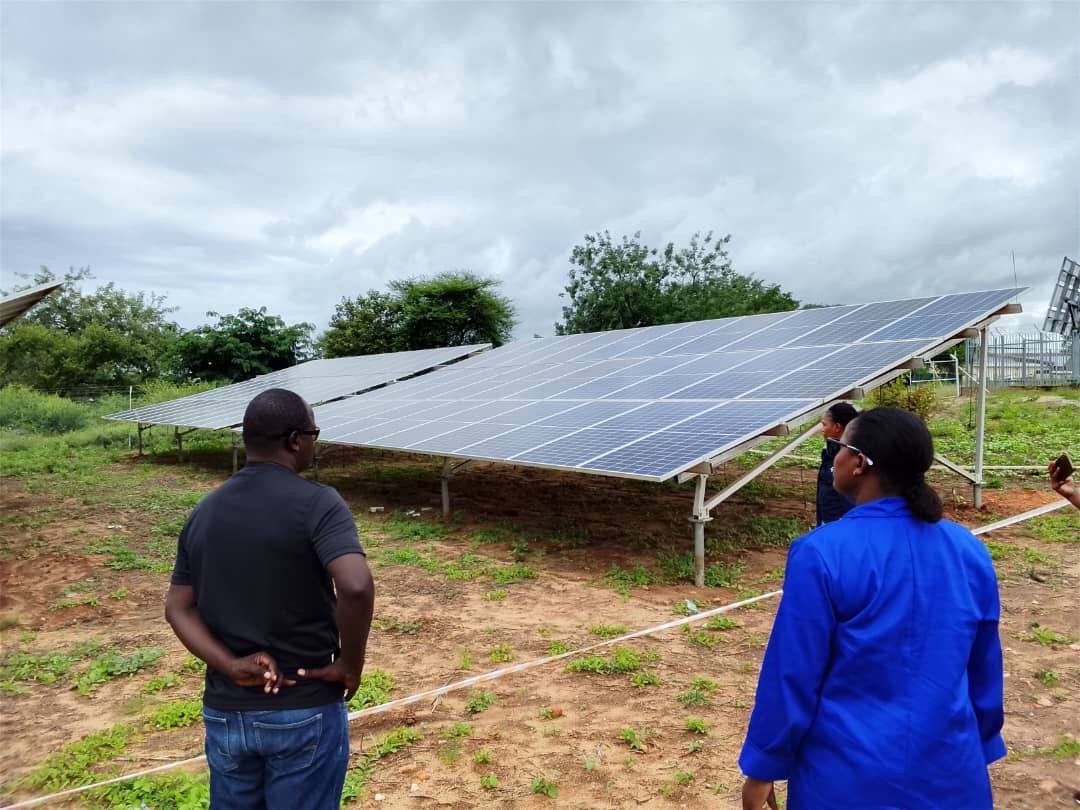
NYANGA NORTH, ZIMBABWE – Nyanga North Solar Project has brought a new wave of development to Ward 1 in Nyanga North Constituency following the successful delivery of a 50kW solar electrification project under the Second Republic, benefiting hundreds of households and key community institutions in the Fombe area.
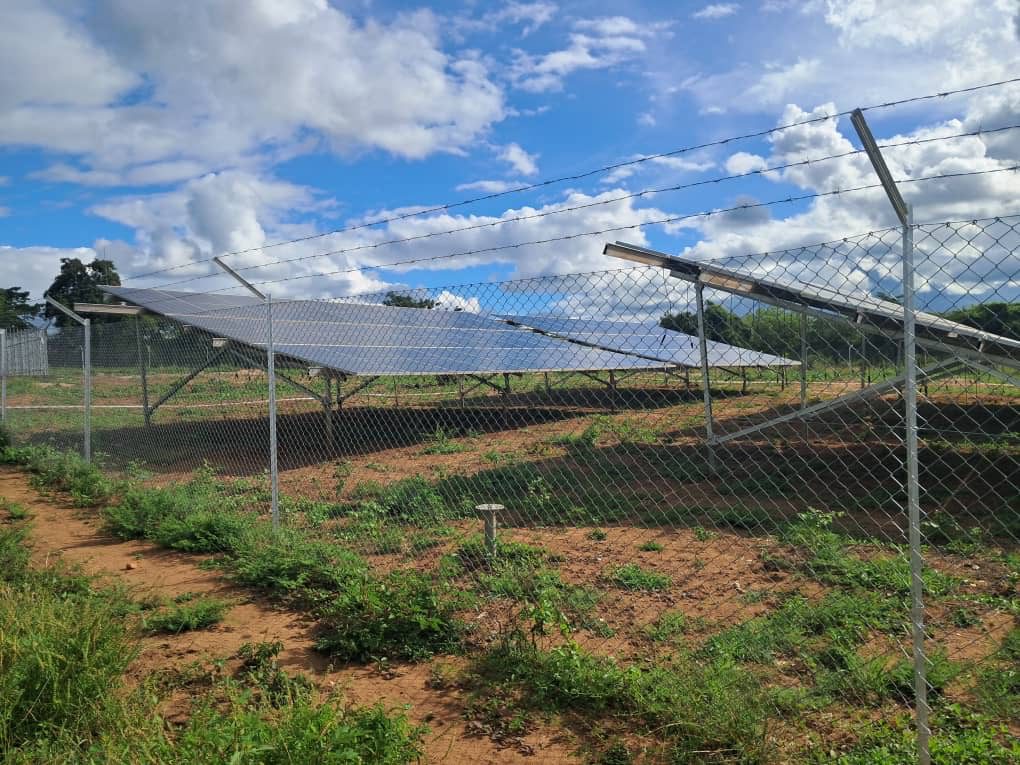
The landmark project covers Fombe and Tembo villages, Fombe Clinic, Fombe Business Centre, Fombe Secondary School, and Fombe Primary School, marking another significant milestone in the Government’s rural development agenda spearheaded by President His Excellency Dr Emmerson Dambudzo Mnangagwa.
Nyanga North legislator Hon. Chido Sanyatwe hailed the development as a game-changer for local communities, saying the project reflects the Second Republic’s commitment to ensuring that no place and no one is left behind. She said access to reliable and clean energy would improve service delivery in education, healthcare, and economic activities while uplifting livelihoods in the constituency.
“This solar project is a major achievement for our communities. For many years, residents of Fombe and Tembo villages have yearned for reliable electricity. Today, we are witnessing the fulfilment of the Second Republic’s development vision under the leadership of President Mnangagwa. This initiative will transform lives and create opportunities for sustainable growth,” said Hon. Sanyatwe.
The commissioning of the solar project comes at a time when the Government continues to accelerate rural industrialisation and infrastructure development in line with the National Development Strategy 2 (NDS2) and Vision 2030.
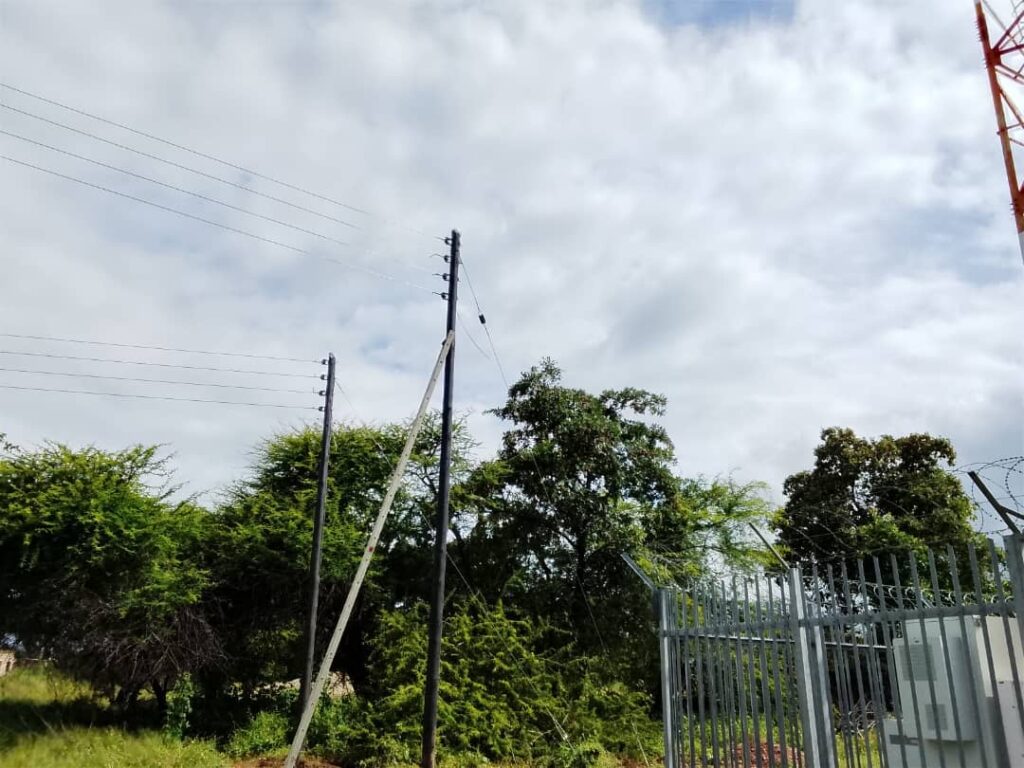
The 50kW solar installation is expected to significantly improve access to electricity for schools, healthcare facilities, businesses, and households that previously relied on alternative and often unreliable energy sources.
For learners at Fombe Primary and Secondary Schools, the project opens up opportunities for enhanced educational outcomes through improved lighting, access to digital learning tools, and extended study hours. Teachers are also expected to benefit from improved working conditions and enhanced access to information and communication technologies.
At Fombe Clinic, the solar project is anticipated to strengthen healthcare delivery through uninterrupted power supply for essential medical equipment, vaccine storage facilities, lighting systems, and communication infrastructure.
Community members expressed optimism that the availability of electricity would stimulate local economic activity, particularly at Fombe Business Centre, where entrepreneurs and small-scale traders are expected to benefit from improved operating conditions.
Hon. Sanyatwe noted that the project demonstrates the Government’s determination to bridge the urban-rural development divide and ensure equitable access to critical infrastructure.
“The Second Republic has consistently shown that rural communities are an integral part of Zimbabwe’s development trajectory. This project is not only about electricity; it is about empowering communities, supporting businesses, improving healthcare services, and creating a better future for our children,” she said.
Residents of Fombe and Tembo villages welcomed the development, describing it as a transformative intervention that will positively impact future generations.
The solar project aligns with Zimbabwe’s broader agenda of promoting renewable energy solutions as part of efforts to enhance energy security, reduce environmental degradation, and support sustainable development.
Under President His Excellency Dr Emmerson Dambudzo Mnangagwa, Zimbabwe has intensified investment in renewable energy projects aimed at increasing access to electricity while supporting national economic growth. The Government has prioritised the development of solar power initiatives in both urban and rural areas to complement existing power generation capacity.
Energy experts have long emphasised the importance of renewable energy in supporting socio-economic development, particularly in remote communities where access to the national grid remains limited.
The Fombe solar project is expected to serve as a model for similar initiatives across the country, showcasing how renewable energy can drive rural transformation and improve quality of life.
Hon. Sanyatwe further praised the Government’s development philosophy, saying communities across Nyanga North continue to benefit from people-centred programmes that are yielding tangible results.
“As we move towards Vision 2030, our focus remains on ensuring that development reaches every household. We are grateful to President Mnangagwa and the Government for prioritising rural electrification and infrastructure development. This project demonstrates that the aspirations of our people are being translated into reality,” she said.
The project also supports the objectives of National Development Strategy 2 (NDS2), which seeks to accelerate economic transformation, improve infrastructure, enhance service delivery, and promote inclusive growth.
Through NDS2, the Government is targeting increased investment in energy infrastructure, agriculture, education, healthcare, and industrial development as part of efforts to achieve upper-middle-income economy status by 2030.
Development analysts have noted that access to electricity plays a critical role in unlocking economic opportunities, enhancing productivity, and improving living standards. In rural communities, reliable power supply often contributes to increased agricultural productivity, better healthcare outcomes, and improved educational performance.
The completion of the Nyanga North Solar Project therefore represents more than just an energy intervention; it signifies progress towards broader national development goals.
As Zimbabwe continues implementing Vision 2030, infrastructure projects such as the Fombe solar scheme are expected to play a pivotal role in fostering inclusive development and empowering communities.
The successful delivery of the project further underscores the Second Republic’s commitment to sustainable development and renewable energy adoption.
For residents of Fombe and Tembo villages, the solar project marks the beginning of a new chapter characterised by improved access to essential services, enhanced economic opportunities, and a brighter future.
With the support of President His Excellency Dr Emmerson Dambudzo Mnangagwa, Government institutions, and local leadership, communities in Nyanga North are increasingly becoming active participants in Zimbabwe’s development journey towards Vision 2030.
As the lights shine across homes, schools, businesses, and healthcare facilities in Fombe, the impact of the project is already being felt, bringing hope, opportunity, and progress to one of Zimbabwe’s rural communities.
Related Articles:
[…] Nyanga North Solar Project Transforms Lives as Second Republic Delivers 50kW Solar Power Scheme in F…Zimbabwe Forex Receipts Projected to Reach US$19.92 Billion in 2026 as Second Republic Reforms Deliver Results 7 / 100 Powered by Rank Math SEO SEO Score […]
[…] https://www.zimglobalmedia.co.zw/ […]