


Bulawayo — His Excellency President Adv. Duma Gideon Boko officially opened the 66th edition of the Zimbabwe International Trade Fair (ZITF) in Bulawayo, delivering a bold and urgent call for Africa to accelerate industrial transformation and deepen regional cooperation in the face of global economic uncertainty.
Addressing delegates, exhibitors, policymakers, and business leaders from across the continent and beyond, President Boko described the ZITF as more than just an exhibition platform. He framed it as a vital engine for trade facilitation, investment promotion, and industrial collaboration, with a long-standing legacy that continues to shape regional economic discourse.
“The Zimbabwe International Trade Fair remains a cornerstone of our collective ambition to build resilient and interconnected economies,” President Boko said. “It is here that ideas converge, partnerships are forged, and Africa’s industrial future is imagined.”
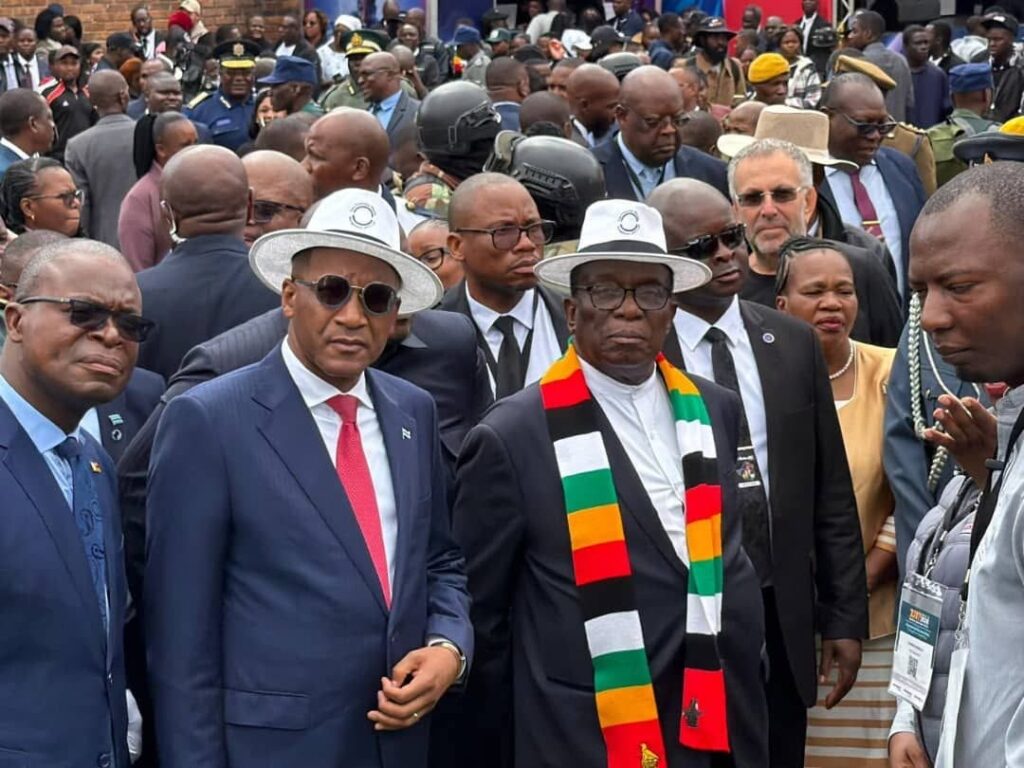
This year’s edition runs under the theme “Connected Economies, Competitive Industries,” a concept President Boko said speaks directly to the pressing need for stronger integration across African economies. He pointed to the African Continental Free Trade Area (AfCFTA) as a transformative framework capable of unlocking unprecedented economic potential if fully implemented.
Yet, despite such frameworks, President Boko expressed concern over the slow pace of intra-African trade. Currently estimated at just 15%, he described the figure as “far below what our continent is capable of achieving.”
“We must do so much more together,” he urged. “Our economies cannot thrive in isolation. The future of Africa lies in interconnected value chains, shared industrial capacity, and coordinated policy execution.”
Botswana’s participation at this year’s ZITF is both symbolic and strategic. President Boko revealed that 18 companies from Botswana are exhibiting at the fair, showcasing products and services across multiple sectors. He reaffirmed Zimbabwe’s position as one of Botswana’s key trading partners, particularly highlighting cooperation in diamond exports and related industries.
In a speech that resonated with urgency, President Boko challenged African leaders and institutions to move beyond policy discussions and into tangible action. He warned that while agreements such as the AfCFTA are commendable, their impact will remain limited without effective implementation.
“We must move from agreements to action,” he declared. “The time for frameworks alone has passed. What is required now is execution, accountability, and measurable progress.”
Central to his address was a strong critique of Africa’s continued dependence on imported goods, a structural weakness he said exposes economies to external shocks and limits sustainable growth. Instead, he advocated for a deliberate shift toward local production and industrialization anchored in the continent’s abundant natural resources.
“Africa must no longer be a supplier of raw materials to the world while importing finished goods at a premium,” President Boko said. “We must harness our resources to build industries that create value here at home.”
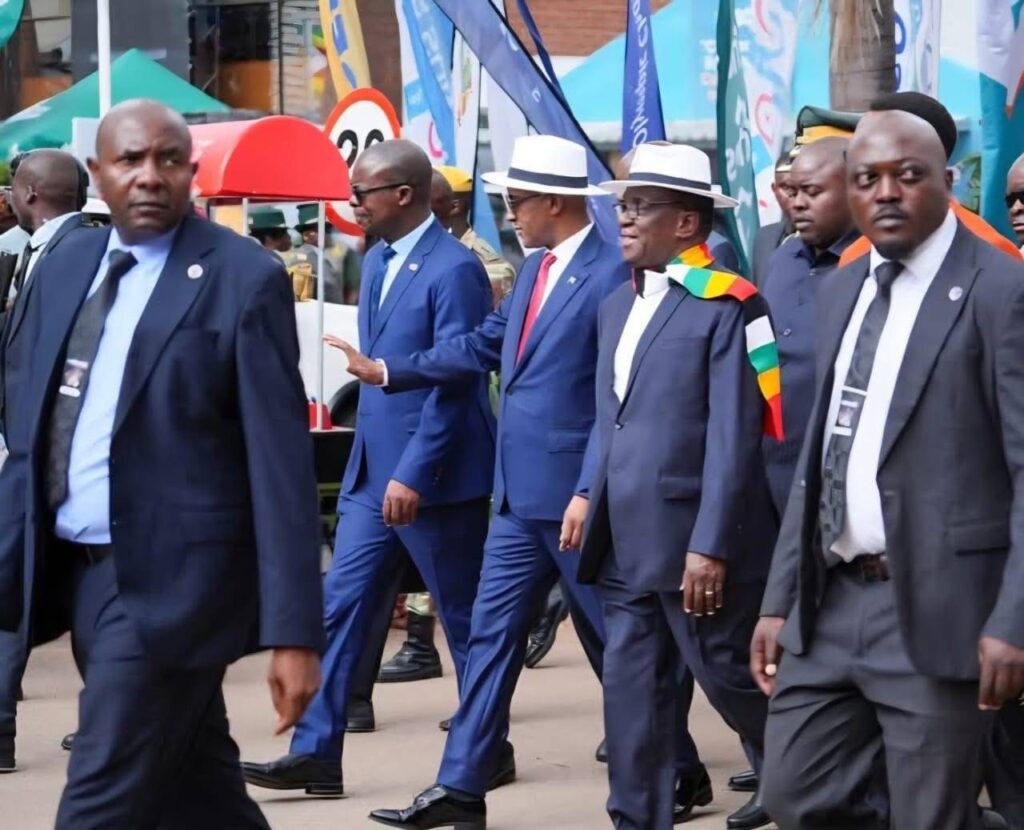
He emphasized the importance of transitioning from raw material exports to value-added production, positioning Africa as a competitive player in global manufacturing and innovation. This shift, he argued, is essential for job creation, economic diversification, and long-term resilience.
President Boko identified several key sectors that hold the potential to drive this transformation. Among them are mining beneficiation, where raw minerals are processed locally to increase their value; agro-processing, which can enhance food security and export competitiveness; renewable energy, critical for sustainable industrial growth; manufacturing; tourism; and the rapidly expanding digital economy.
“These sectors are not just opportunities—they are imperatives,” he said. “They represent the foundation upon which Africa’s industrial future must be built.”
The Botswana leader also reflected on recent high-level engagements with Emmerson Mnangagwa, particularly during the Bi-National Commission session held in Harare. He noted that both nations share a common vision for economic integration and have committed to addressing longstanding barriers that hinder trade.
Among the key challenges identified are tariff and non-tariff barriers, including customs inefficiencies, regulatory misalignment, and inadequate infrastructure. These obstacles, President Boko noted, continue to increase the cost of doing business and slow the movement of goods across borders.
“Removing these barriers is not optional—it is essential,” he stressed. “If we are serious about integration, then we must be equally serious about dismantling the systems that impede it.”
He called for enhanced coordination between governments, the private sector, and regional institutions to streamline trade processes and improve infrastructure connectivity. Efficient transport networks, modernized border systems, and harmonized regulations, he said, are critical enablers of a competitive regional economy.
President Boko’s remarks come at a time when African economies are grappling with multiple pressures, including global supply chain disruptions, climate change impacts, and fluctuating commodity prices. Against this backdrop, his message was clear: Africa must look inward, leverage its collective strengths, and build a self-sustaining economic ecosystem.
“The solutions we seek are within our reach,” he concluded. “What we need is the collective will to act, the courage to innovate, and the commitment to collaborate.”
The opening ceremony of the 66th ZITF was marked by a vibrant showcase of innovation, culture, and enterprise, reflecting the diversity and dynamism of African economies. From cutting-edge technologies to traditional crafts, the exhibition floor stands as a testament to the continent’s potential.
As delegates continue to engage over the course of the fair, President Boko’s call to action is expected to shape discussions and influence policy directions. His emphasis on practical implementation, value addition, and regional cooperation sets a clear agenda—not just for the duration of the ZITF, but for Africa’s broader economic trajectory.
In Bulawayo, the message was unmistakable: the time for talking is over. Africa must now build.