President Boko Calls For United, Self-Reliant Continent, Africa’s New Chimurenga
4 min read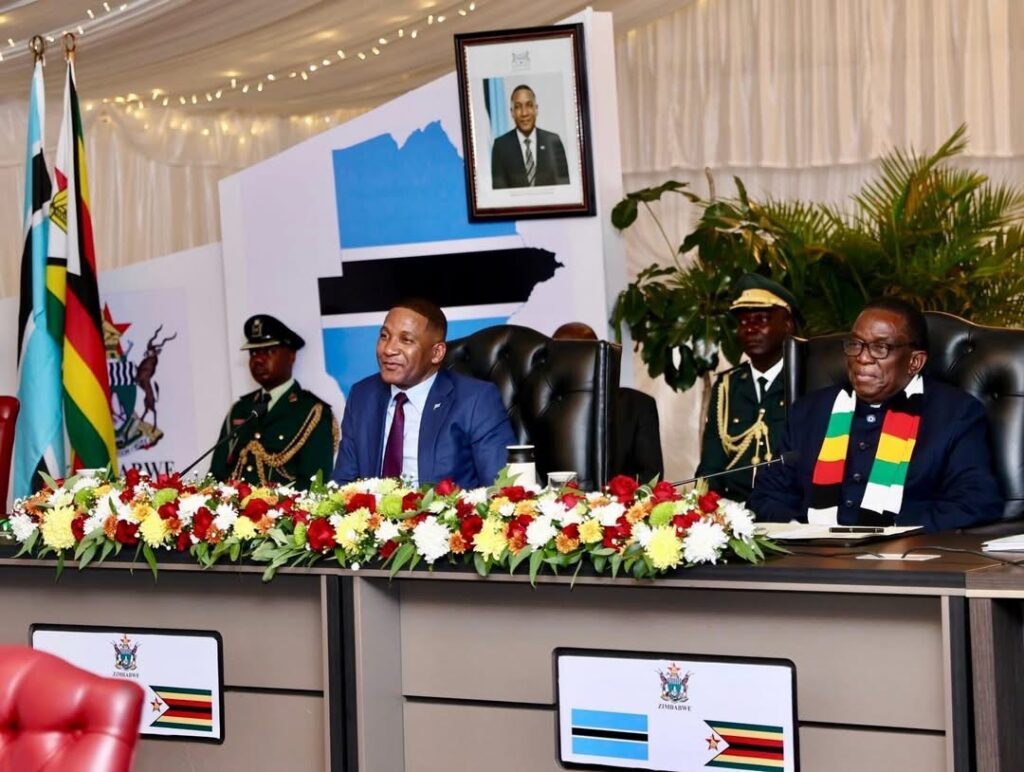
Harare – A compelling vision for Africa’s future took center stage in Harare as His Excellency Duma Gideon Boko delivered a powerful message calling for a new era of continental unity, economic self-determination, and collective progress—what he described as Africa’s New Chimurenga.
Speaking during his State visit to Zimbabwe, President Boko framed the moment as a turning point for the African continent, urging nations to move beyond historical limitations and embrace a shared destiny anchored in cooperation, confidence, and strategic growth.
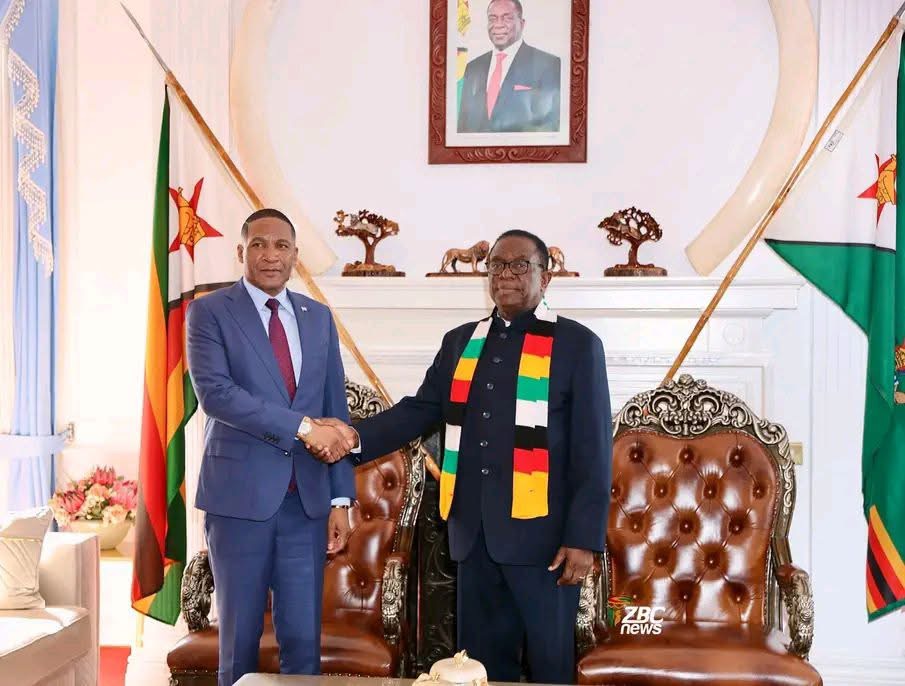
“We are here in Zimbabwe to script a future where African nations speak with one voice, act with confidence, and compete on the global stage from a position of strength,” President Boko declared, his words resonating with a sense of urgency and purpose.
The term Chimurenga, deeply rooted in Zimbabwe’s liberation history, evokes memories of the armed struggles that led to independence. Yet President Boko’s articulation of a “New Chimurenga” shifts the battlefield from armed resistance to economic empowerment, policy cohesion, and intellectual awakening.
This new struggle, he explained, is not about reclaiming land or political authority, but about securing economic sovereignty and dignity for African people in a rapidly evolving global order.
In invoking Chimurenga, President Boko tapped into a shared African consciousness—one that recognizes the sacrifices of the past while acknowledging the unfinished task of building prosperous, self-sustaining economies.
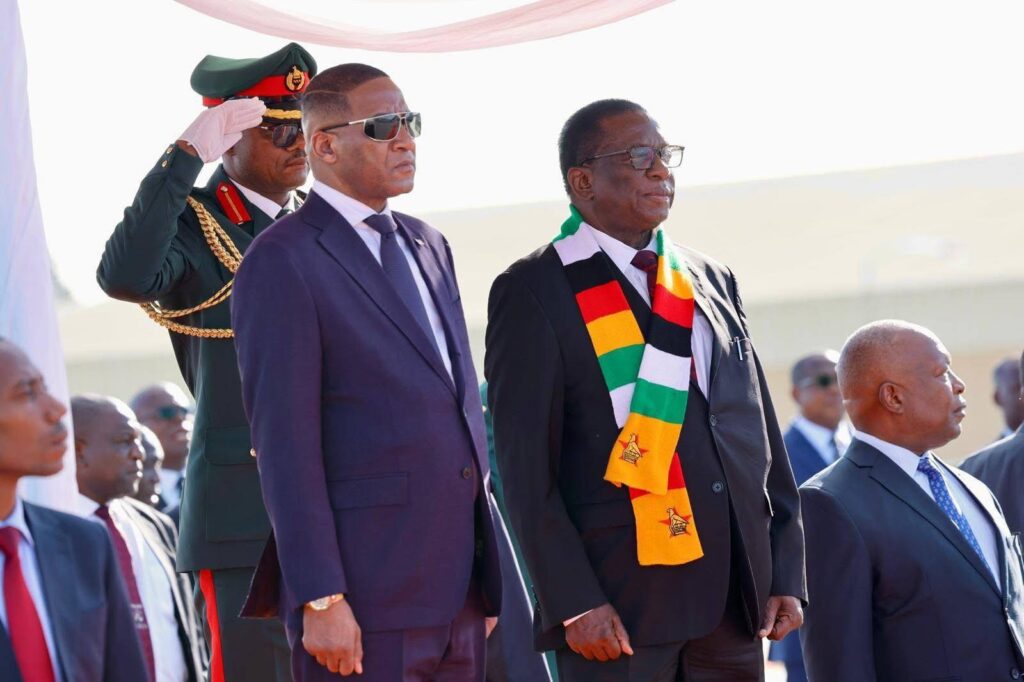
Central to President Boko’s message was the need for Africa to speak and act as one. He emphasized that fragmentation has long weakened the continent’s negotiating power on the global stage, leaving individual nations vulnerable to external pressures and unequal partnerships.
“Africa must no longer approach global challenges as isolated states,” he said. “Our strength lies in unity, in our ability to coordinate policies, align priorities, and present a common front in international engagements.”
This vision aligns closely with ongoing continental initiatives such as the African Continental Free Trade Area (AfCFTA), which seeks to boost intra-African trade and reduce dependency on external markets. President Boko’s remarks reinforced the importance of such frameworks, calling for their full implementation and active participation by all member states.
Perhaps the most poignant aspect of President Boko’s address was his focus on Africa’s youth. With more than 60 percent of the continent’s population under the age of 25, the future of Africa hinges on its ability to create opportunities for its young people.
“A future where our young people are not forced to look outward for opportunity, but find it within our own economies,” he said, capturing a reality that has seen many skilled Africans migrate in search of better prospects.
President Boko challenged governments, private sector players, and development institutions to invest in education, innovation, and entrepreneurship. He stressed that Africa’s youth should not be seen as a burden, but as its greatest asset—a generation capable of driving industrialization, technological advancement, and cultural renaissance.
At the heart of the New Chimurenga is the urgent need to build economies that serve the interests of African citizens. President Boko highlighted the importance of value addition, industrialization, and intra-African trade as key pillars of sustainable development.
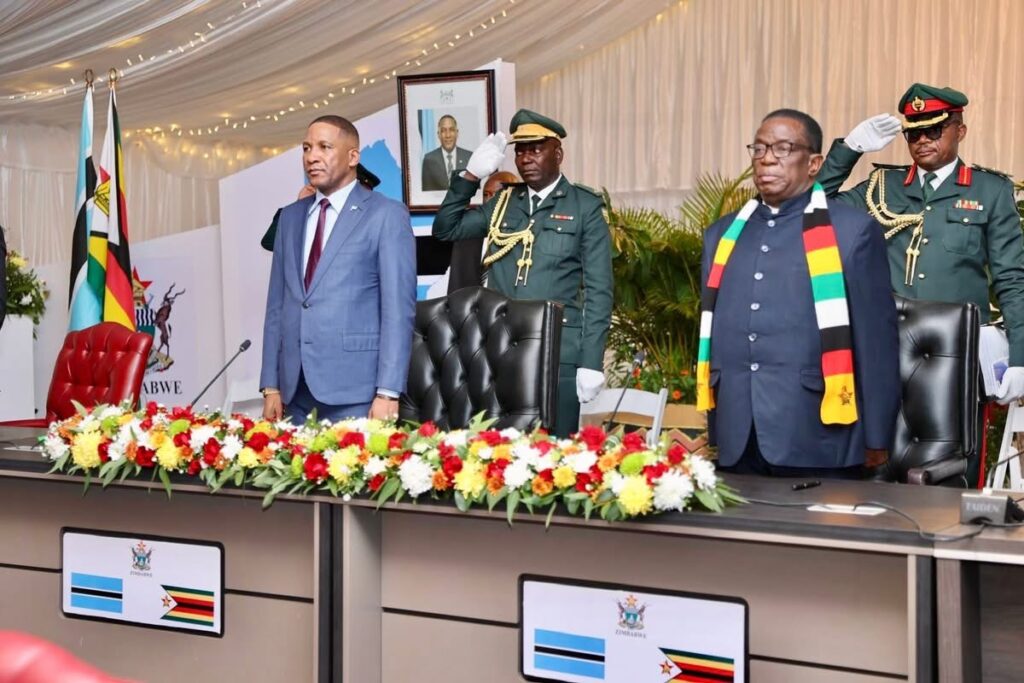
For decades, Africa has remained largely dependent on exporting raw materials while importing finished goods—a pattern that has limited economic growth and reinforced dependency. Breaking this cycle, he argued, requires deliberate policy choices and long-term investment in local industries.
“We must harness our resources not just for export, but for transformation,” he said. “Our minerals, our agriculture, our talent—these must be the foundation of industries that create jobs and wealth within Africa.”
Hosting this message in Zimbabwe carried profound symbolic significance. The country’s history of resistance and its enduring spirit of self-determination make it a fitting backdrop for a renewed continental vision.
Zimbabwe’s own journey—from colonial subjugation to independence, and through years of economic and political challenges—mirrors the broader African experience. It stands as both a reminder of past struggles and a testament to the resilience required to forge a better future.
President Boko acknowledged this legacy, noting that Zimbabwe continues to play an important role in shaping regional and continental discourse.
While the rhetoric of unity and transformation is compelling, President Boko was clear that the success of the New Chimurenga will depend on tangible action. He called for stronger institutions, transparent governance, and accountability at all levels.
African leaders, he emphasized, must move beyond declarations and commit to policies that deliver real change—policies that empower citizens, attract investment, and foster inclusive growth.
Equally important is the role of ordinary Africans. The New Chimurenga, he suggested, is not solely the responsibility of governments, but of all citizens who believe in the continent’s potential.
“This is a collective journey,” he said. “Each one of us has a role to play in building the Africa we want.”
As President Boko concluded his address, the message was clear: Africa stands at a crossroads. The choices made today will determine whether the continent remains on the periphery of global development or rises as a formidable force in its own right.
The concept of Africa’s New Chimurenga offers a powerful framework for this transformation—a call to unity, a commitment to progress, and a determination to create systems that serve African people.
In Harare, that vision found a voice. Across the continent, it now awaits action.
If embraced with sincerity and resolve, this New Chimurenga could mark the beginning of a new chapter in Africa’s story—one defined not by struggle alone, but by triumph, innovation, and shared prosperity.