

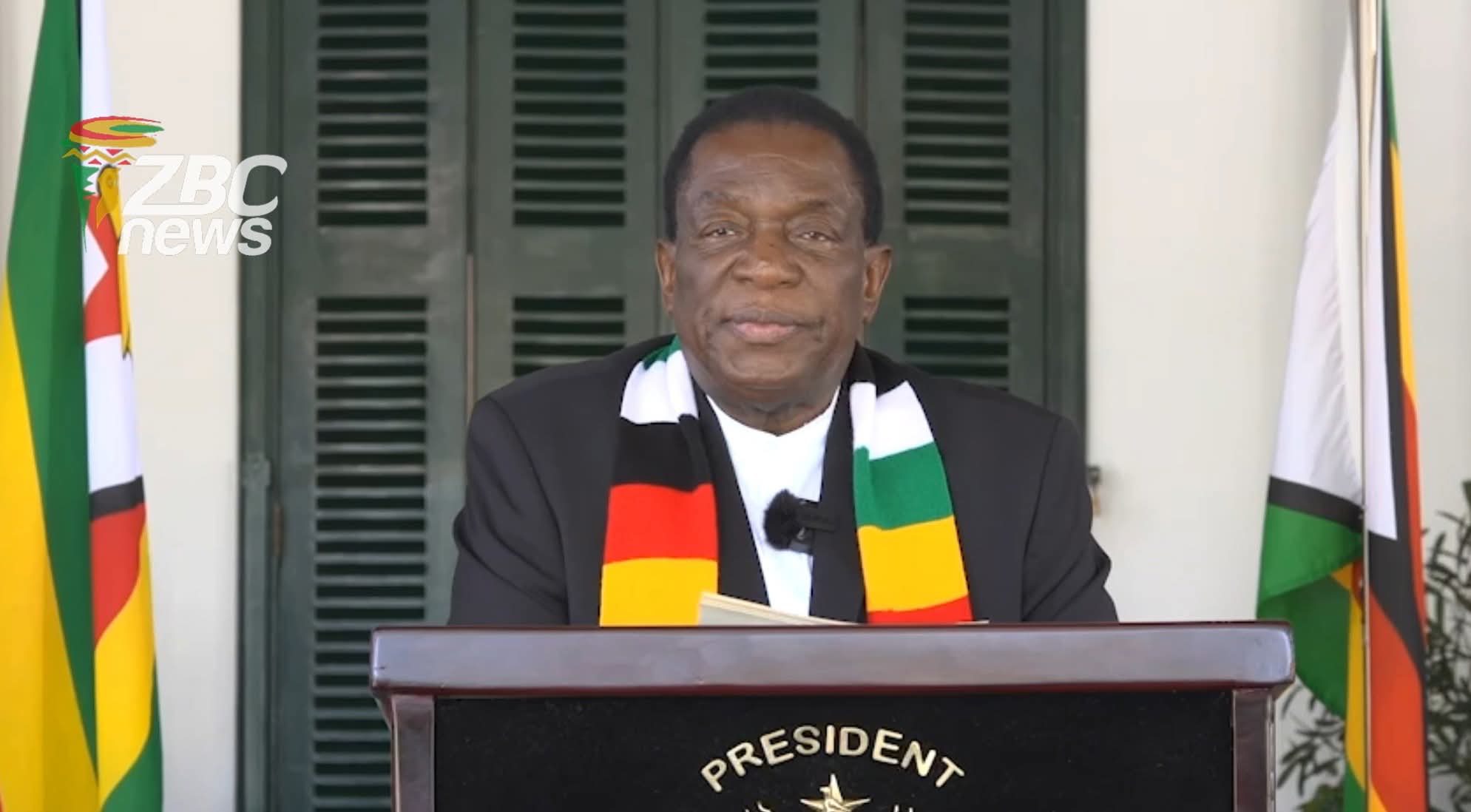
Harare – Yesterday, Zimbabwe joined the rest of the world in commemorating Workers’ Day with a strong message of unity, resilience, and renewed commitment to the welfare of its workforce, as President Emmerson Dambudzo Mnangagwa paid tribute to the millions of citizens whose labour continues to sustain and drive the nation forward.
In his address to mark the occasion, President Mnangagwa extended warm greetings to Zimbabweans across all sectors of the economy, recognizing workers as the backbone of the country’s socio-economic transformation. Workers’ Day, globally observed on May 1, is a moment not only for celebration but for reflection on the role of labour in shaping national development.
“Today, we join the international community in celebrating the individuals who contribute to the development of our nation,” said President Mnangagwa. “As the backbone of our socio-economic progress, labour warrants our utmost respect and protection.”
The President’s message resonated across Zimbabwe’s diverse workforce, from urban centers to rural communities, highlighting the indispensable role played by both formal and informal sectors. In a country where the informal economy remains a critical pillar of survival and innovation, special acknowledgment was given to market vendors and small-scale entrepreneurs who continue to navigate economic challenges with determination.
Across Zimbabwe’s towns and cities, it is the early morning hustle of vendors setting up stalls, the rhythmic activity in factories, and the quiet diligence in offices that collectively define the pulse of the nation. These daily efforts, often unseen and underappreciated, form the foundation upon which Zimbabwe’s aspirations for growth and prosperity are built.
The agricultural sector, long regarded as the lifeblood of the nation, also received recognition. Farmers, many of whom endure unpredictable weather patterns and economic pressures, remain central to food security and rural livelihoods. Their contribution ensures that Zimbabwe not only feeds itself but continues to support agro-based industries that employ thousands.
Similarly, the mining sector, a cornerstone of Zimbabwe’s economy, was acknowledged for its role in generating revenue and sustaining communities. Miners working under demanding conditions contribute significantly to national exports, reinforcing Zimbabwe’s position as a resource-rich nation with vast economic potential.
Beyond these sectors, President Mnangagwa paid tribute to professionals whose work directly shapes the country’s future. Teachers were praised for their role in nurturing the next generation, often working with limited resources but unwavering commitment. Healthcare professionals, whose importance was especially underscored during recent global health challenges, were commended for their resilience and dedication to saving lives.
Engineers, artisans, and technical experts were also recognized as key drivers of infrastructure development and industrial growth. Their expertise, the President noted, is essential in achieving Zimbabwe’s ambitious Vision 2030, which aims to transform the country into an upper-middle-income economy.
“As Government, we reaffirm our commitment to upholding the dignity of work and promoting the welfare of every worker across the country,” President Mnangagwa said, emphasizing that economic progress must go hand in hand with improved working conditions and fair compensation.
This commitment comes at a time when workers across many sectors continue to call for better wages, improved safety standards, and stronger labour protections. The President’s remarks signal an acknowledgment of these concerns and a pledge to address them through policy and reform.
Central to the Workers’ Day message was the idea of inclusivity. The government reiterated its vision of a Zimbabwe where every citizen has the opportunity to thrive, regardless of their background or profession. This includes efforts to formalize parts of the informal sector, expand job creation initiatives, and support entrepreneurship.
“This May Day, we recommit to fostering an environment that enables every Zimbabwean to flourish, with fair remuneration, safe working conditions, and the respect they deserve,” the President said.
Labour unions and worker representatives have historically used Workers’ Day as a platform to advocate for rights and reforms. While celebrations are marked by parades and speeches, the day also serves as a reminder of the ongoing struggle for equitable labour practices. In Zimbabwe, this dialogue remains critical as the nation continues to navigate economic recovery and structural transformation.
Analysts note that the recognition of workers across both formal and informal sectors reflects a broader understanding of Zimbabwe’s economic realities. With a significant portion of the population engaged in informal activities, policies that address their needs are crucial for sustainable development.
The President’s message also carried a strong sense of national pride and responsibility, encapsulated in the enduring slogan: “Nyika Inovakwa Nevene Vayo! / Ilizwe Lakhiwa Ngabanikazi Balo!” loosely translated as “A nation is built by its own people.” This phrase continues to serve as a rallying call for collective effort and shared ownership of Zimbabwe’s future.
Across the country, Workers’ Day celebrations were marked by a mixture of official ceremonies, community gatherings, and reflections on the challenges and opportunities facing the labour force. For many Zimbabweans, the day is both a celebration of resilience and a reminder of the work that still lies ahead.
Economic experts highlight that empowering workers is not only a matter of social justice but also a strategic necessity. A motivated and fairly compensated workforce is essential for productivity, innovation, and long-term growth. Investments in skills development, education, and workplace safety are seen as key pillars in this process.
As Zimbabwe continues its journey toward Vision 2030, the role of workers remains central. Whether in agriculture, industry, services, or informal trade, it is the collective effort of ordinary citizens that will determine the pace and success of national development.
President Mnangagwa’s Workers’ Day message, therefore, goes beyond ceremonial acknowledgment. It is a reaffirmation of a social contract between the government and its people, one that places dignity, respect, and opportunity at the heart of labour.
For many workers, the hope is that these commitments will translate into tangible improvements in their daily lives. Fair wages, safe workplaces, and access to opportunities remain key aspirations that define the meaning of true economic empowerment.
The path to prosperity, as echoed in the President’s words, lies in recognizing, protecting, and uplifting those who build the nation every single day.