

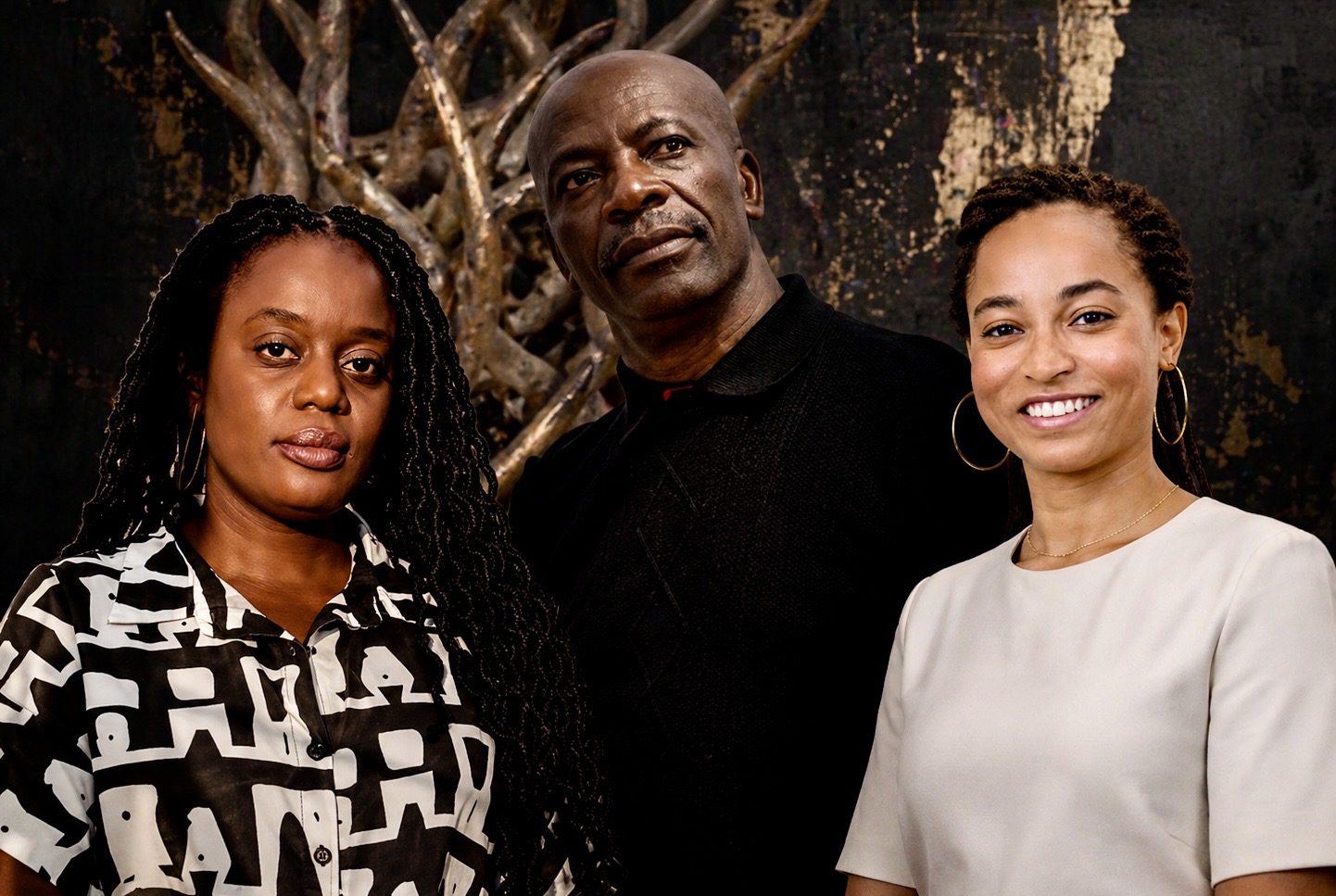
Arts & Lifestyle – Zimbabwe’s cultural diplomacy has received a significant continental endorsement following the inclusion of Raphael Chikukwa and two others among the 50 Influential African Curators in 2025, a prestigious recognition published by Africans Column that celebrates leading voices shaping Africa’s artistic future.
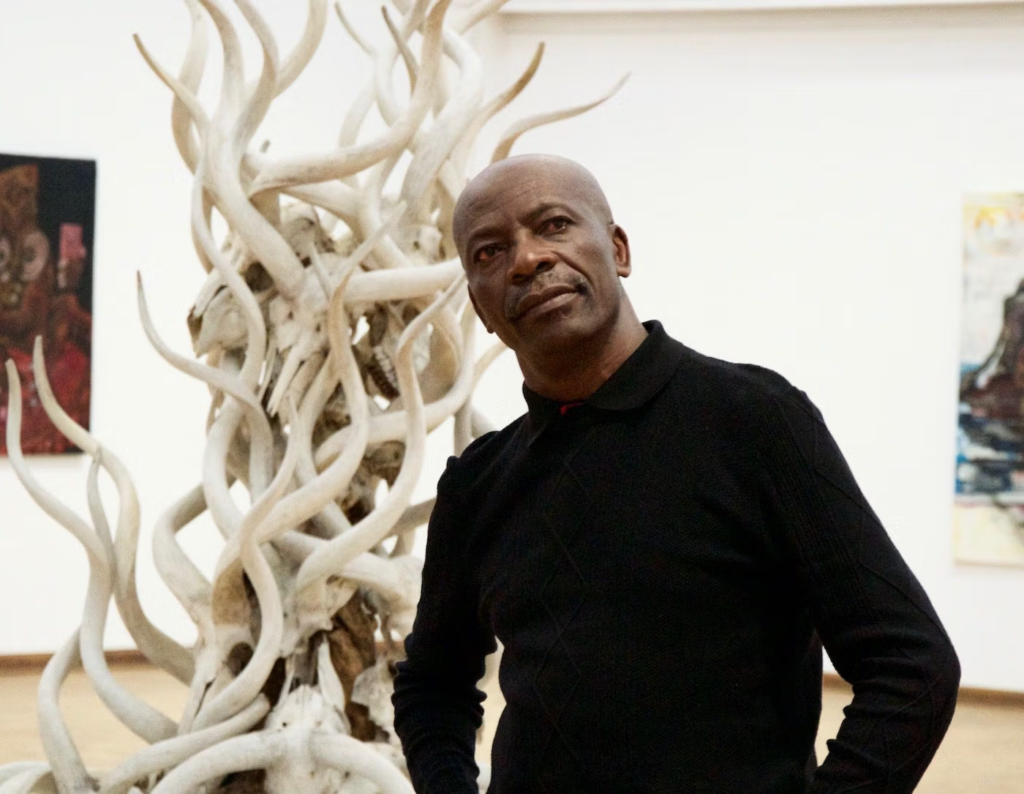
The recognition places Chikukwa alongside some more of the most powerful curatorial minds across Africa and the diaspora, affirming Zimbabwe’s growing influence in global art discourse. It also reinforces the country’s position as a critical contributor to the continent’s cultural renaissance.
Currently serving as Executive Director of the National Gallery of Zimbabwe, Chikukwa has built a reputation as a transformative figure in the visual arts sector. His work over the years has consistently bridged local artistic expression with global platforms, most notably through Zimbabwe’s participation at the Venice Biennale, where he has served as founding curator since 2011.
His journey, which began as a volunteer at the Johannesburg Biennale in 1997, reflects decades of dedication to elevating African narratives through curatorial excellence. Today, he stands as one of the continent’s most respected cultural leaders, shaping how African stories are told, preserved, and exhibited internationally.
The 2025 list is a powerful reflection of Africa’s evolving art ecosystem. It brings together curators working across museums, biennales, independent spaces, and global institutions, each contributing to redefining African identity in contemporary art.
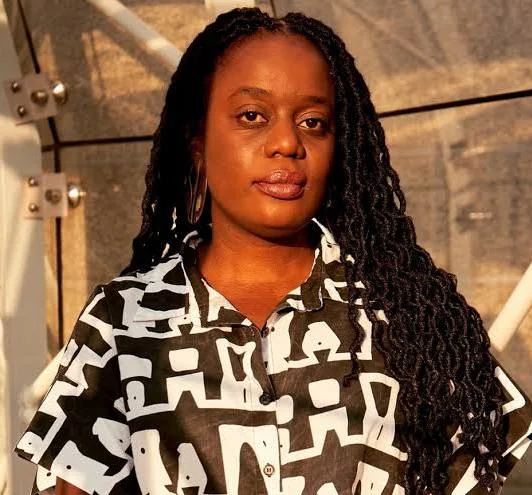
The full list of the 50 Influential African Curators in 2025 includes:
Koyo Kouoh (Cameroon), Azu Nwagbogu (Nigeria), Bisi Silva (Nigeria), Okwui Enwezor (Nigeria), Simon Njami (Cameroon), Touria El Glaoui (Morocco), Christine Eyene (Cameroon), Marie-Ann Yemsi (Cameroon), Elvira Dyangani Ose (Equatorial Guinea), Salah Hassan (Sudan), Chika Okeke-Agulu (Nigeria), Ekow Eshun (Ghana), Daudi Karungi (Uganda), Bonaventure Soh Bejeng Ndikung (Cameroon), Kader Attia (Algeria), Abdellah Karroum (Morocco), Nadine Siegert (Germany/Namibia), Candice Hopkins (Carcross/Tagish First Nation with African collaborations), Gabi Ngcobo (South Africa), Khanyisile Mbongwa (South Africa), Nontobeko Ntombela (South Africa), Tumelo Mosaka (South Africa), Bongi Dhlomo-Mautloa (South Africa), Tandazani Dhlakama (Zimbabwe), Rujeko Hockley (Zimbabwe/USA), Raphael Chikukwa (Zimbabwe), Prince Claus Fund Curatorial Team (Netherlands/Africa), LagosPhoto Curatorial Team (Nigeria), RAW Material Company Curatorial Team (Senegal), Zeitz MOCAA Curatorial Team (South Africa), Centre for Contemporary Art Lagos Curatorial Team (Nigeria), CCA Berlin African Programme (Germany), SAVVY Contemporary (Germany), 1-54 Art Fair Curatorial Team (Global Africa), Kampala Art Biennale Curatorial Team (Uganda), Dak’Art Biennale Curatorial Team (Senegal), Marrakech Biennale Curatorial Team (Morocco), Bamako Encounters Curatorial Team (Mali), Addis Foto Fest Curatorial Team (Ethiopia), Nubuke Foundation Curatorial Team (Ghana), Goodman Gallery Curatorial Team (South Africa), Stevenson Gallery Curatorial Team (South Africa), Galerie Cécile Fakhoury Curatorial Team (Ivory Coast), Selma Feriani Gallery Curatorial Team (Tunisia), Circle Art Agency Curatorial Team (Kenya), AFIKARIS Gallery Curatorial Team (France/Africa), Tyburn Foundation Curatorial Team (South Africa), and various independent curators shaping Africa’s contemporary art scene.
This diverse roll call reflects a continental movement where curators are not only gatekeepers of art but active architects of cultural identity and intellectual discourse.
Zimbabwe’s presence on the list is particularly noteworthy. Alongside Chikukwa, curators such as Tandazani Dhlakama and Rujeko Hockley have also earned recognition, underscoring the country’s depth of talent in curatorial practice.
This collective recognition signals a broader resurgence of Zimbabwean cultural influence, driven by professionals who continue to push boundaries despite challenges within the arts sector.
Dhlakama, known for her work at Zeitz MOCAA, has played a critical role in shaping contemporary African exhibitions, while Hockley has gained global prominence through her curatorial work in major American institutions, including the Whitney Museum.
What sets this list apart is its emphasis on curators who are actively redefining how African art is understood globally. From decolonising museum spaces to amplifying underrepresented voices, these curators are reshaping the frameworks through which art is experienced.
For Chikukwa, this mission has been central to his career. His work has consistently challenged outdated narratives, positioning African art not as a peripheral subject but as a central force within global cultural discourse.
Through initiatives such as Zimbabwe’s participation at international exhibitions and the revitalisation of the National Gallery, he has demonstrated how institutions can evolve to reflect contemporary realities while preserving heritage.
The recognition comes at a time when Africa’s art scene is experiencing unprecedented global attention. From biennales to international fairs, African artists and curators are increasingly shaping global trends rather than simply participating in them.
Figures such as Koyo Kouoh, who was appointed to lead the 2026 Venice Biennale, exemplify this shift, marking historic milestones for African representation on the world stage.
In this context, Chikukwa’s inclusion in the 2025 list is both symbolic and substantive. It reflects not only his individual achievements but also the collective momentum of African creativity.
As Zimbabwe prepares to host major international cultural events and strengthen its artistic institutions, recognitions like this serve as both validation and inspiration. They highlight the importance of investing in the arts as a driver of cultural diplomacy, economic growth, and national identity.
For Chikukwa, the journey continues. His work remains rooted in a vision of art as a tool for dialogue, education, and transformation. His influence extends beyond exhibitions, shaping policies, mentoring emerging talent, and fostering international collaborations.
In celebrating his achievement, Zimbabwe is not merely acknowledging a curator, it is affirming a cultural movement.
A movement that insists African stories must be told by Africans. A movement that places the continent at the centre of its own narrative. And a movement that continues to rise, one exhibition, one curator, and one story at a time.