Zimbabwe on Track to Host Historic CIMAM 2026 Conference, a First for Africa
5 min read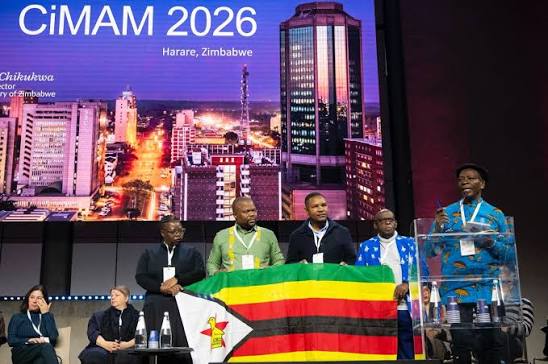
Arts & Lifestyle — Zimbabwe is firmly on course to make history in November 2026 as it prepares to host the 58th Annual Conference of the International Committee for Museums and Collections of Modern Art (CIMAM), marking the first time the prestigious global gathering will be held on African soil.
Scheduled for 20 to 22 November in Harare, the conference represents far more than a calendar event. It is a defining cultural milestone that places Zimbabwe at the centre of a global reimagining of museum practice and cultural dialogue. Bringing together leading museum directors, curators, scholars, and cultural practitioners from across continents, CIMAM 2026 signals a profound shift in how global cultural conversations are framed, who leads them, and where they are hosted.
For decades, major international cultural platforms have largely been concentrated in Europe and North America. Zimbabwe’s hosting of this influential conference disrupts that long-standing pattern, creating space for African voices, experiences, and intellectual traditions to shape the future of museums on a global scale.
Hosted by the National Gallery of Zimbabwe under the auspices of the Government, the conference will run under the theme “Museums Beyond Limits: Imagining Repair Across Cultures, Ecologies and Knowledges.” The theme captures the urgency of our times, calling on institutions to move beyond traditional boundaries and confront complex global challenges ranging from historical injustice to environmental sustainability and contested knowledge systems.
At its core, the concept of “repair” challenges museums to address the legacies of colonialism and exclusion that have historically shaped their collections and narratives. It invites institutions to rethink their roles, not merely as custodians of objects, but as active participants in rebuilding relationships between communities, cultures, and knowledge systems.
Zimbabwe’s selection as host country is both symbolic and strategic. With a history marked by colonial dispossession and a continuing journey of cultural reclamation, the country offers a powerful context for discussions around identity, memory, and restitution. Harare, as the host city, stands as a living example of resilience and transformation, making it an ideal setting for conversations that seek to bridge the past and the future.
Preparations for the conference are already at an advanced stage, with the National Gallery of Zimbabwe leading a coordinated national effort to ensure that every aspect of the event meets international standards. The first quarter of 2026 has been particularly intensive, characterised by accelerated activity in fundraising, programme development, venue coordination, and infrastructure upgrades.
One of the most visible aspects of the preparations has been the extensive renovation of the National Gallery. Upgrades have included the reflooring of exhibition spaces, installation of improved air-handling systems, enhanced security through modern surveillance infrastructure, and refurbishment of key facilities such as bathrooms, kitchen areas, and reception spaces. These developments form part of a broader legacy project that will continue to benefit the institution long after the conference has concluded.
Additional improvements are currently underway, including the installation of advanced climate control systems within gallery spaces, fire suppression infrastructure, landscaping works, and structural enhancements. Together, these efforts reflect a commitment to positioning the National Gallery as a world-class cultural institution capable of hosting major international events.
Beyond infrastructure, significant progress has been made in mobilising financial and institutional support. Strategic partnerships have already been secured with key stakeholders, including local and international organisations committed to advancing arts and culture. These collaborations are playing a critical role in ensuring that the conference is not only successfully delivered but also leaves a lasting impact on Zimbabwe’s cultural ecosystem.
The conference programme itself is being carefully curated by an international content committee comprising leading experts in contemporary art and museum practice. Their collective expertise is shaping a dynamic and thought-provoking agenda that will explore themes such as ethics in museum governance, the role of technology and innovation in cultural institutions, and the importance of inclusivity and community engagement.
Participants can expect a rich and immersive experience that goes beyond traditional conference formats. In addition to keynote addresses and panel discussions, the programme will feature studio visits, cultural exchanges, and artistic performances that showcase Zimbabwe’s vibrant creative sector. These elements are designed to provide delegates with a deeper understanding of the country’s cultural landscape while fostering meaningful dialogue and collaboration.
The economic implications of hosting CIMAM 2026 are equally significant. The influx of international delegates is expected to stimulate activity across multiple sectors, including tourism, hospitality, transport, and local enterprise. Hotels, restaurants, and service providers in Harare are already positioning themselves to accommodate the anticipated demand, while the post-conference tour to Victoria Falls offers an opportunity to further promote Zimbabwe as a premier travel destination.
However, beyond economic benefits, the true significance of the conference lies in its potential to reshape global perceptions of Africa’s role in cultural production and intellectual leadership. By hosting CIMAM, Zimbabwe is asserting itself not only as a participant in global cultural discourse but as a leader capable of influencing its direction.
The conference also opens doors for emerging African professionals in the museum and cultural sectors. Through initiatives such as travel grants and professional development opportunities, young curators, researchers, and practitioners will have the chance to engage with international peers, expand their networks, and contribute to shaping the future of the field.
As the countdown to November continues, there is a growing sense of anticipation and pride within Zimbabwe’s cultural community. The successful hosting of CIMAM 2026 will not only mark a historic achievement but also serve as a catalyst for continued growth and innovation in the arts sector.
In many ways, the conference represents a convergence of past, present, and future. It acknowledges the historical complexities that have shaped museum institutions, celebrates the resilience and creativity of African cultures, and looks ahead to new possibilities for collaboration, inclusivity, and transformation.
As Harare prepares to welcome the world, Zimbabwe stands ready to deliver a conference that is both intellectually rigorous and culturally enriching. CIMAM 2026 is more than an event. It is a statement of intent, a declaration that Africa’s time to lead in global cultural conversations is not in the future, but now.