

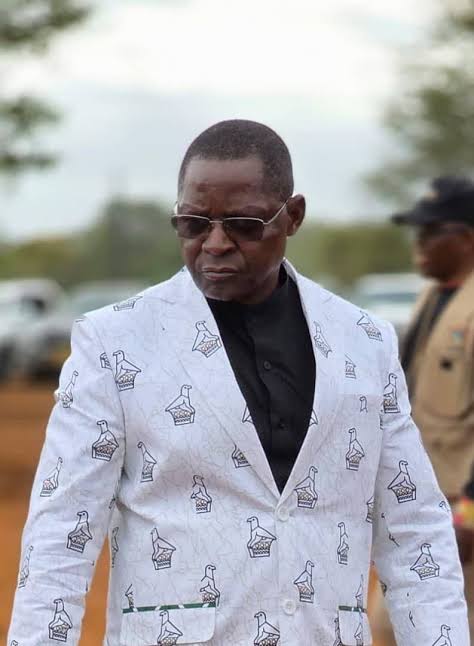
Sport – Zimbabwe has taken a decisive step in strengthening the integrity of its sporting landscape with the launch of a National Anti-Doping Education Project, a nationwide initiative aimed at promoting clean, fair, and safe sport across all disciplines. The programme, spearheaded by the Ministry of Sport, Recreation, Arts and Culture, comes at a time when global sport continues to grapple with the challenges posed by doping and unethical performance enhancement.
Announcing the development, the Minister of Sport, Recreation, Arts and Culture, Lt. Gen. (Rtd.) Anselem Nhamo Sanyatwe, underscored the importance of preserving the credibility of Zimbabwean sport while protecting the health and careers of athletes. The initiative, supported by UNESCO, will see extensive training and awareness campaigns rolled out to athletes, coaches, and sport administrators across all ten provinces of the country.
At its core, the programme is anchored on the theme, “Promoting Clean and Safe Sport in Zimbabwe,” a message that reflects both a commitment to ethical sporting practices and a broader vision of nurturing talent within a transparent and accountable framework.
Speaking on the significance of the initiative, Lt. Gen. (Rtd.) Sanyatwe highlighted that sport is not merely about competition, but about values, discipline, and national pride. He noted that doping undermines the very essence of sport, eroding trust among competitors and diminishing the spirit of fair play that binds athletes and fans alike.
“This project is about more than compliance,” he said. “It is about building a culture where athletes understand that true success comes from hard work, discipline, and integrity. We are investing in education because knowledge is the strongest weapon against doping.”
The National Anti-Doping Education Project is designed to address gaps in awareness that have historically left some athletes vulnerable to inadvertently violating anti-doping regulations. Through structured workshops, seminars, and outreach programmes, participants will gain a comprehensive understanding of prohibited substances, testing procedures, and the consequences of doping violations.
Importantly, the programme also seeks to empower sport administrators and coaches, who play a critical role in shaping athlete behavior. By equipping these key stakeholders with the necessary knowledge and tools, the initiative aims to create an environment where clean sport is actively promoted and safeguarded at every level.
UNESCO’s support brings both technical expertise and international perspective to the programme, aligning Zimbabwe’s efforts with global best practices in anti-doping education. This partnership reinforces the country’s commitment to upholding international standards while tailoring solutions to local realities.
The rollout across all provinces ensures inclusivity, recognizing that talent exists in every corner of Zimbabwe. From urban training centers to rural communities, the message of clean sport will be carried to aspiring athletes who often lack access to formal education on anti-doping regulations.
For many young athletes, this initiative represents a critical intervention at a formative stage in their careers. By instilling the principles of ethical competition early on, the programme seeks to prevent future violations while nurturing a generation of athletes who compete with integrity and pride.
Stakeholders within the sporting fraternity have welcomed the initiative, describing it as both timely and necessary. In recent years, global headlines have repeatedly highlighted doping scandals that have tarnished reputations and disrupted careers. Zimbabwe’s proactive approach signals a determination to avoid similar pitfalls by addressing the issue through education rather than punishment alone.
Beyond the immediate sporting context, the project also carries broader social implications. Sport in Zimbabwe plays a vital role in community development, youth empowerment, and national unity. Ensuring that it remains clean and credible is therefore not just a sporting priority, but a national one.
The initiative also aligns with Zimbabwe’s Vision 2030, which emphasizes the importance of integrity, innovation, and human capital development. By investing in ethical sport, the country is reinforcing its commitment to excellence across all sectors.
As the programme unfolds, attention will also be placed on monitoring and evaluation to ensure its effectiveness. Continuous engagement with athletes and stakeholders will be key in adapting the initiative to emerging challenges and maintaining its relevance in a rapidly evolving sporting environment.
Lt. Gen. (Rtd.) Sanyatwe expressed confidence that the project will leave a lasting impact, not only by reducing doping violations but by transforming attitudes towards sport. He called upon all stakeholders, including sporting associations, educational institutions, and communities, to support the initiative and champion the cause of clean sport.
“This is a collective responsibility,” he said. “We must all play our part in ensuring that Zimbabwean sport remains a source of pride and inspiration.”
The launch of the National Anti-Doping Education Project marks a significant milestone in Zimbabwe’s sporting journey. It sends a clear message that the country is committed to competing on the global stage with honor and integrity, guided by principles that uphold the true spirit of sport.
As athletes, coaches, and administrators across the nation embrace this initiative, there is renewed hope that Zimbabwe will not only produce champions, but champions who embody fairness, discipline, and respect. In a world where the pressure to win can sometimes overshadow the values of sport, this programme stands as a powerful reminder that how victory is achieved matters just as much as the victory itself.
With the backing of government and international partners, Zimbabwe is setting a strong foundation for a future where clean sport is not just an ideal, but a lived reality.